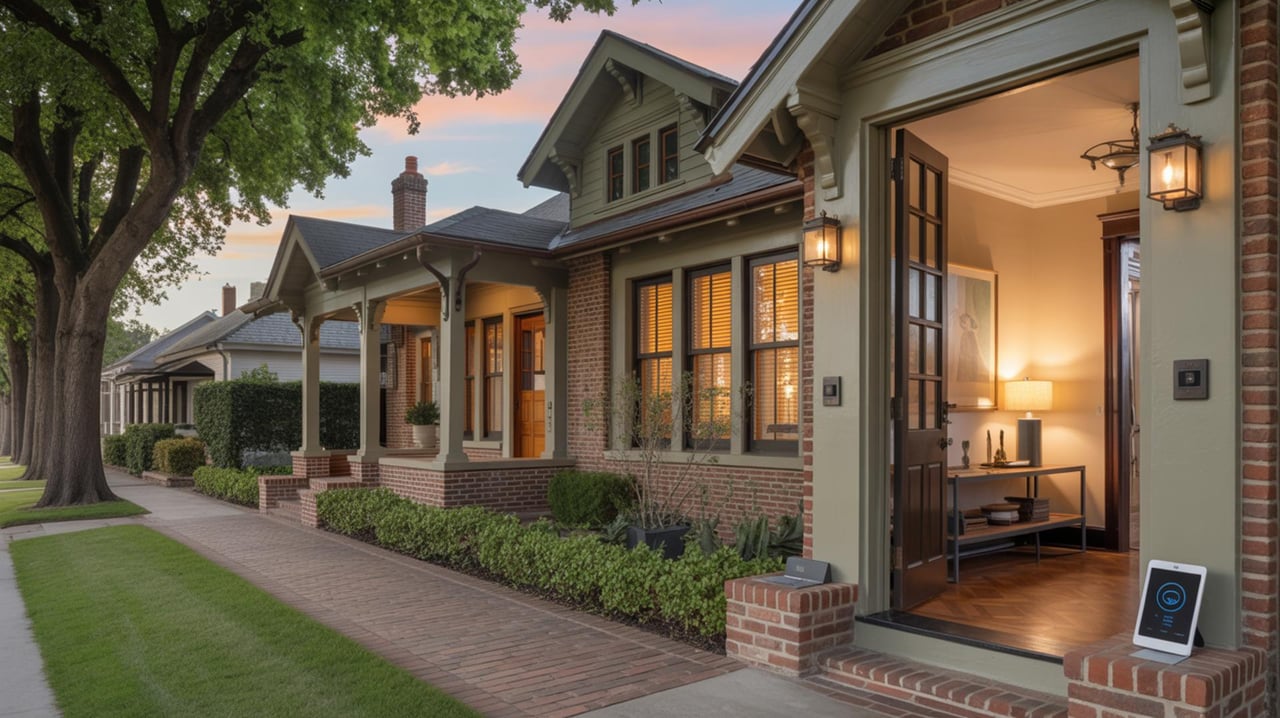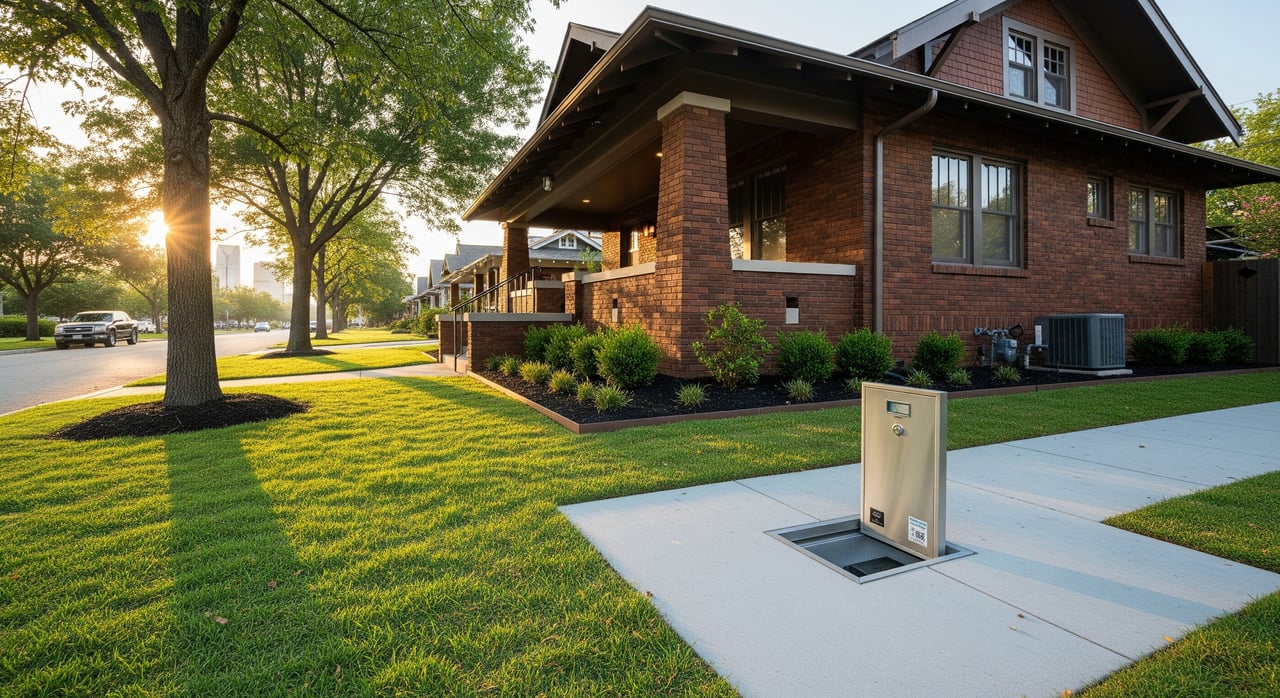
Oklahoma limits how fast a home's taxable value can grow each year while the same owner holds it. In a neighborhood where some homes date to the 1960s, the seller's tax history and the buyer's first full assessment can be far apart. On Tuesday, November 3, Oklahoma voters decide State Question 847, which would tighten that yearly limit for owners who stay put.
Oklahoma's assessment caps
Article X, Section 8B of the Oklahoma Constitution limits annual increases in the fair cash value of locally assessed real property. The limit is 5% for most property and 3% for homesteaded or agricultural property. The same section addresses the limit in years when title to the property changes hands.
A 3% ceiling sounds modest. Over decades, capped growth can create a gap between taxable value and market value.
The cap is also a ceiling, not a built-in raise. The Oklahoma County Assessor says market evidence can support a lower value, and values can go down.
Comparable sales in Quail Creek
The Oklahoma County Assessor says it looks at sales of similar properties in the neighborhood when setting a home's market value.
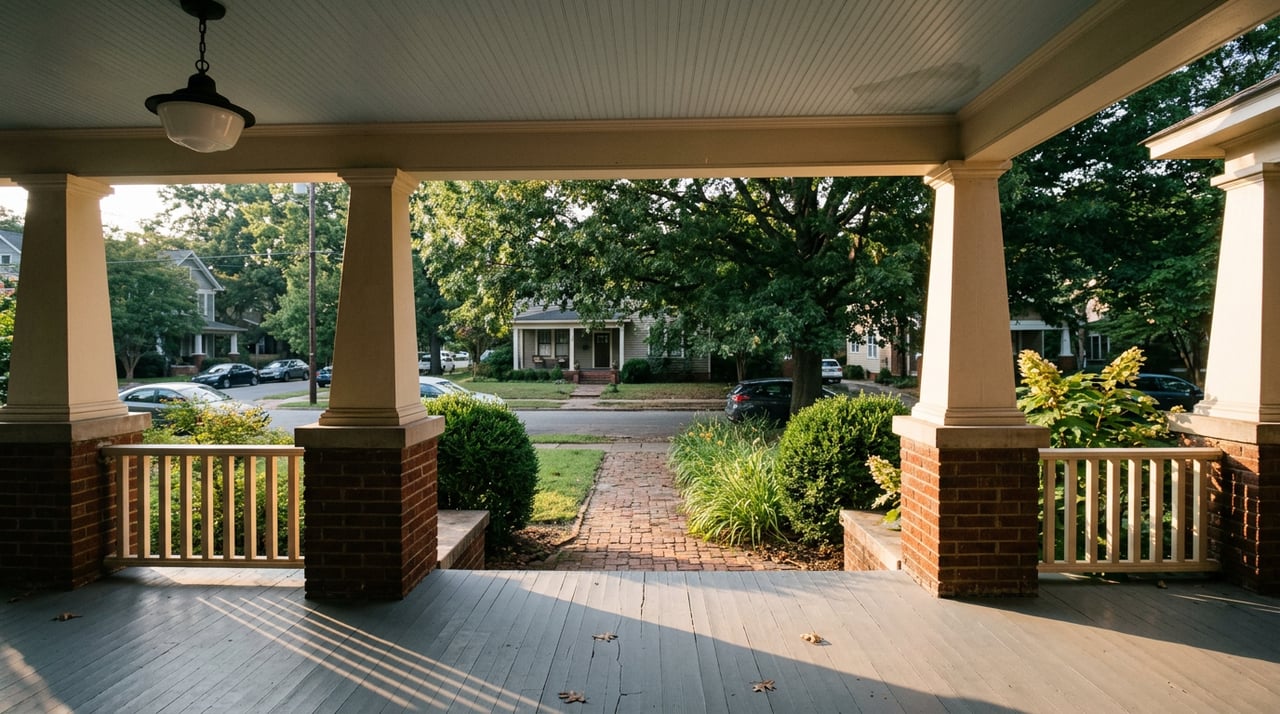
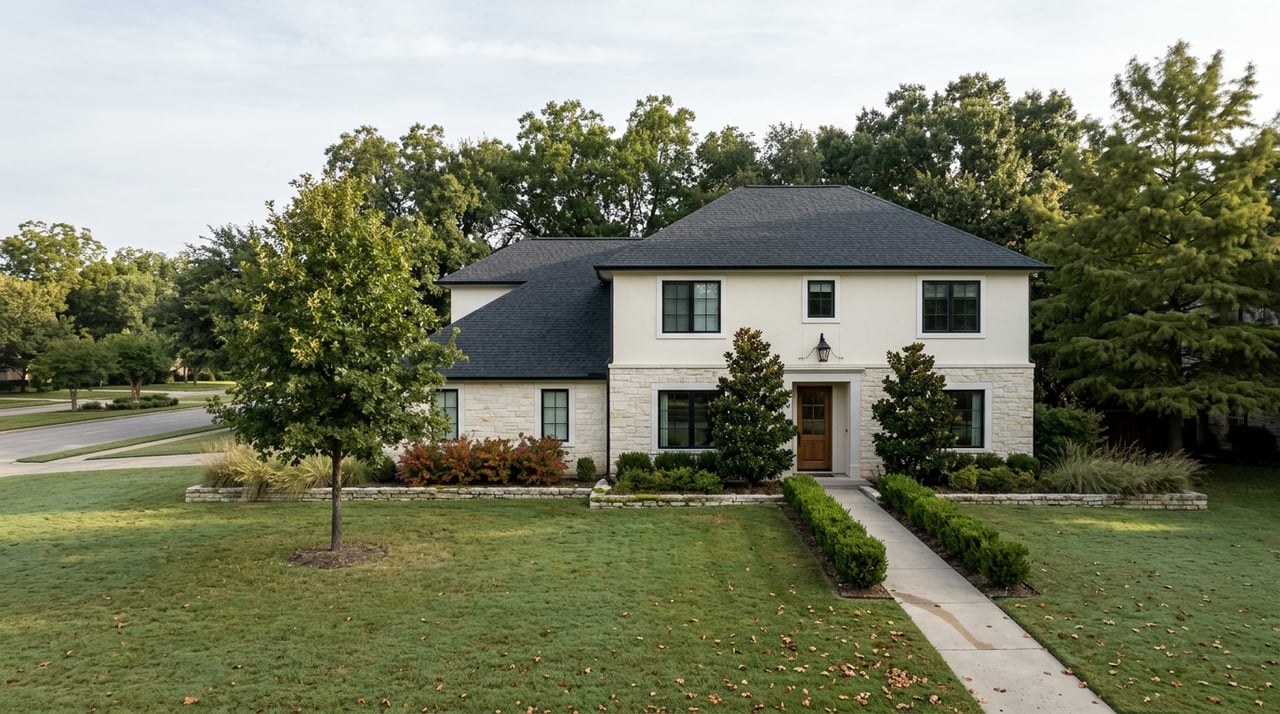
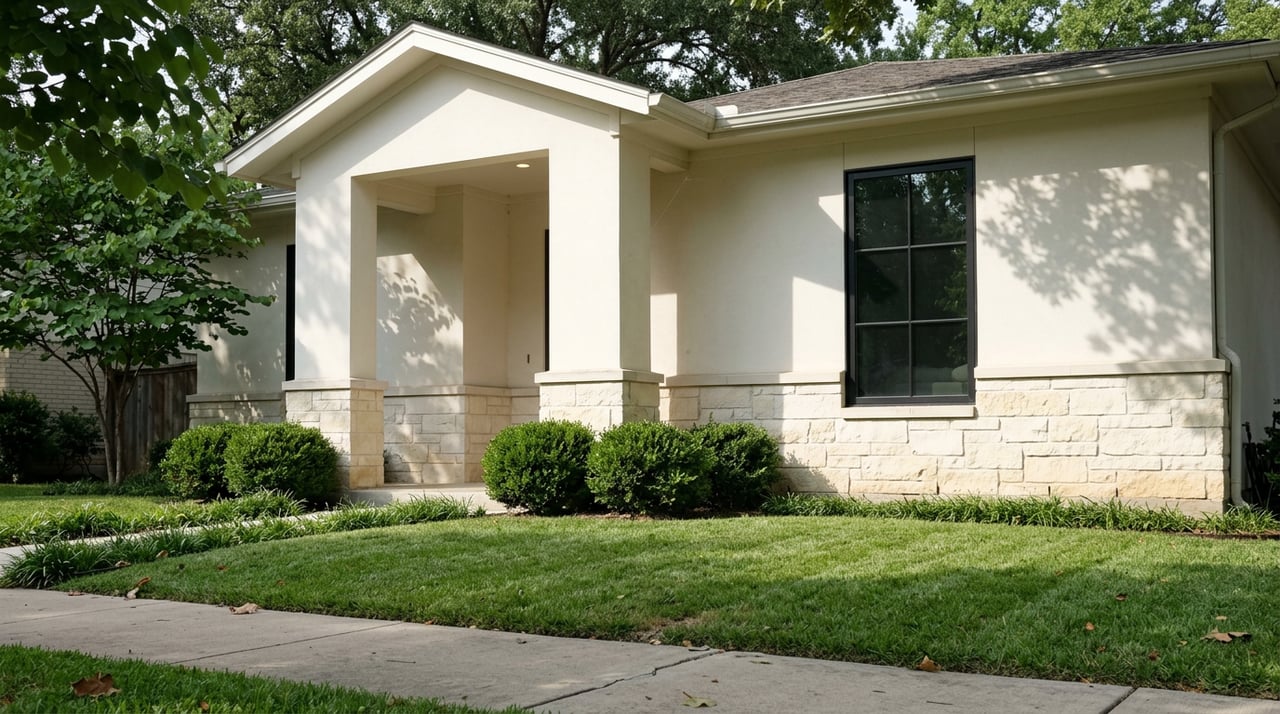
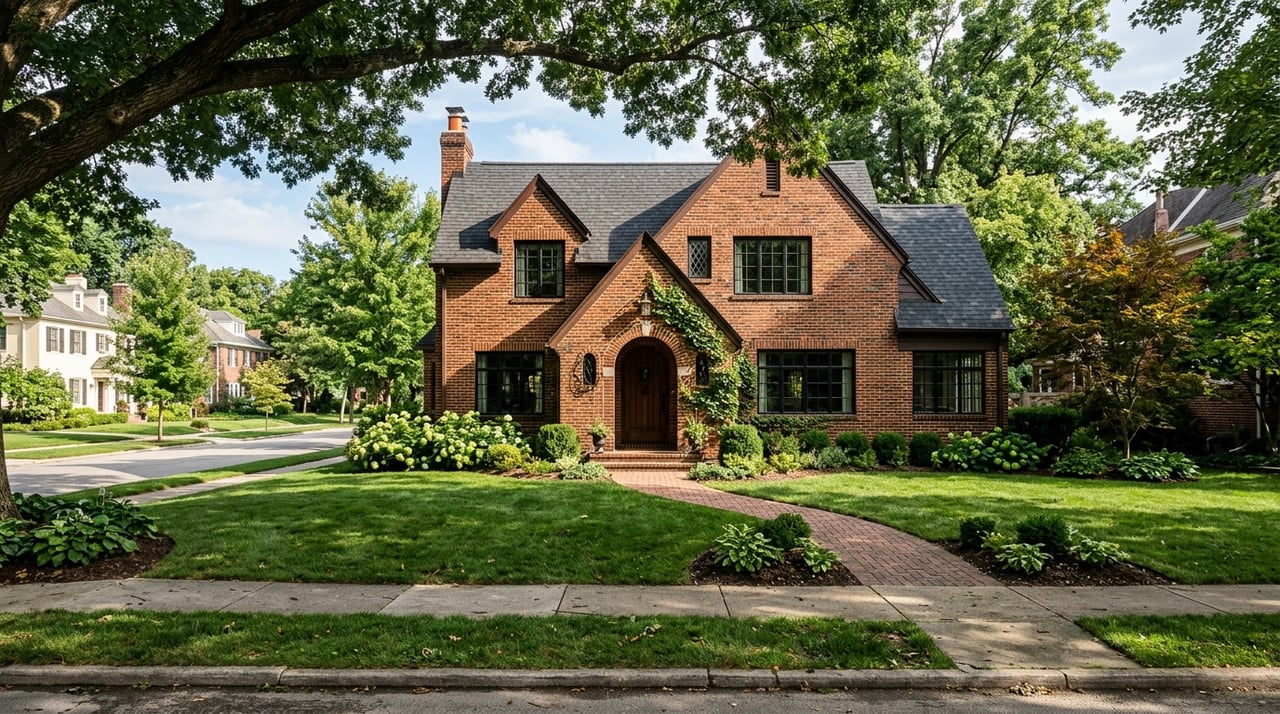
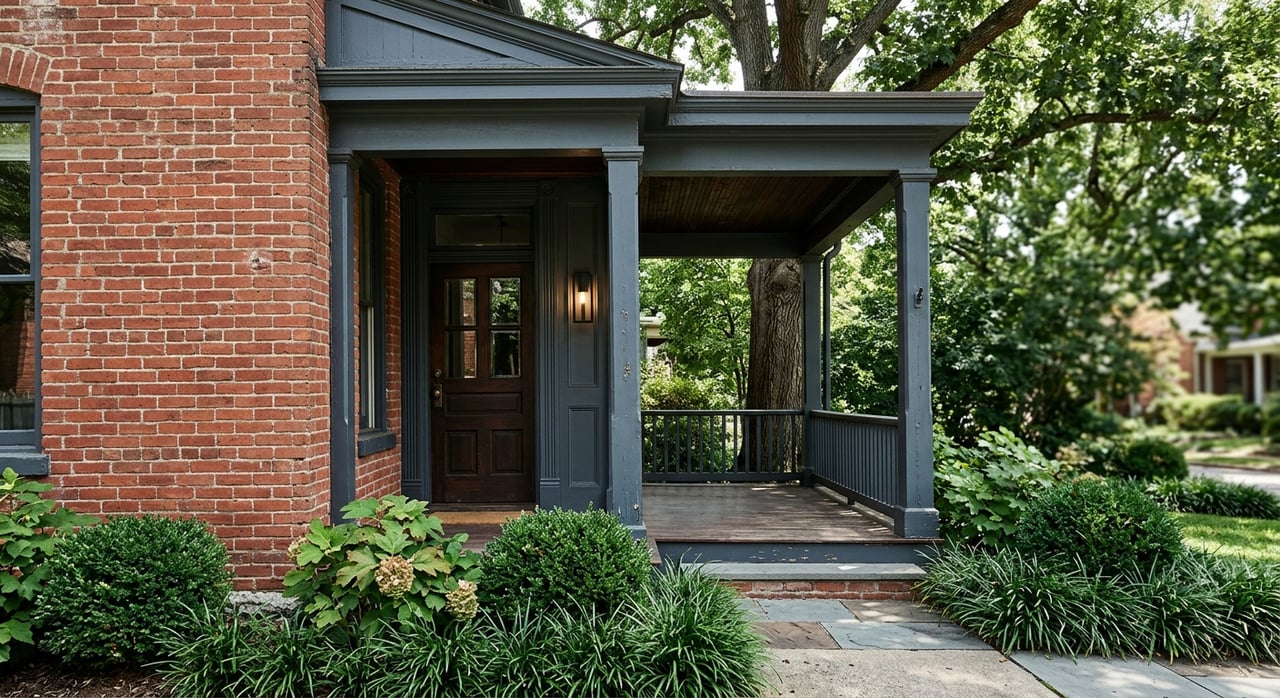
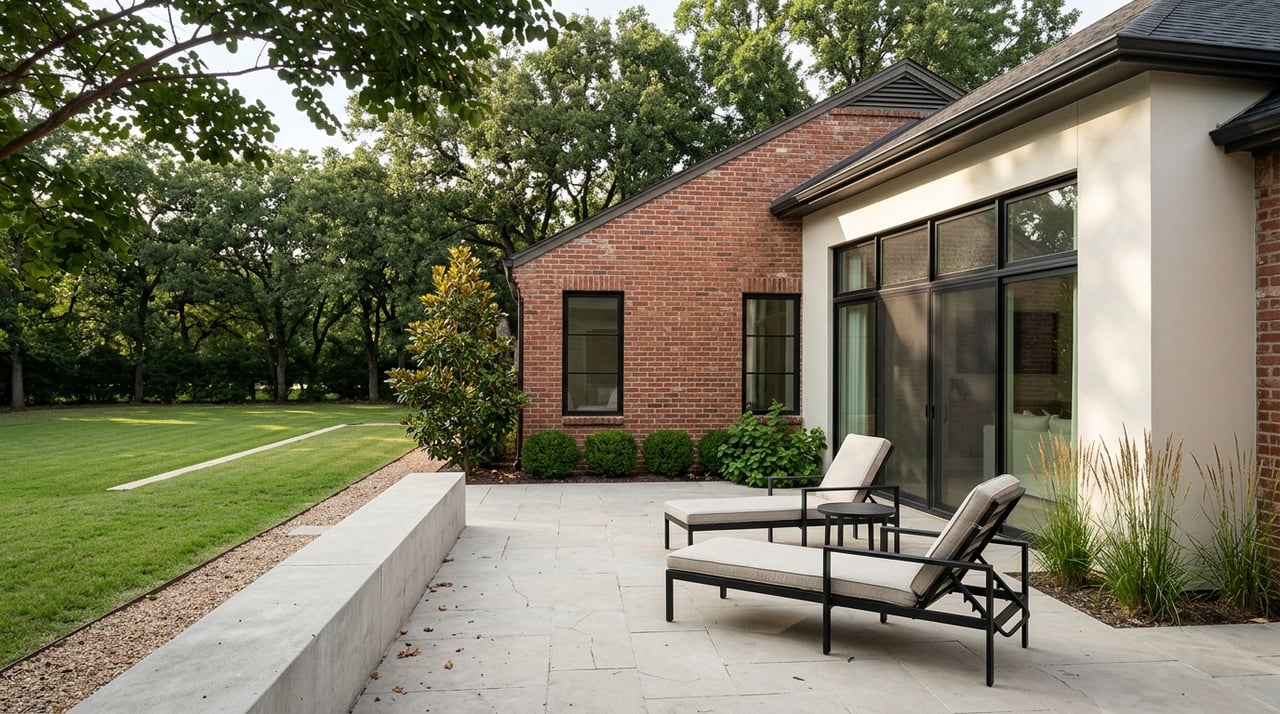
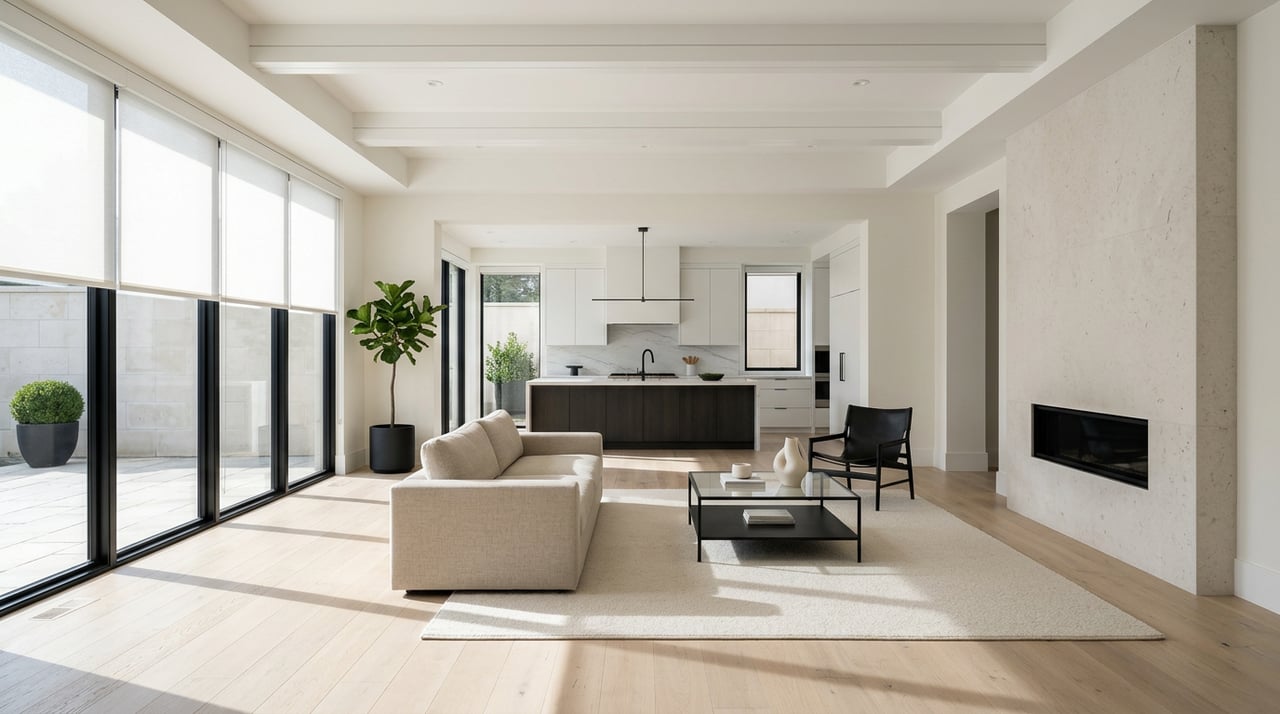
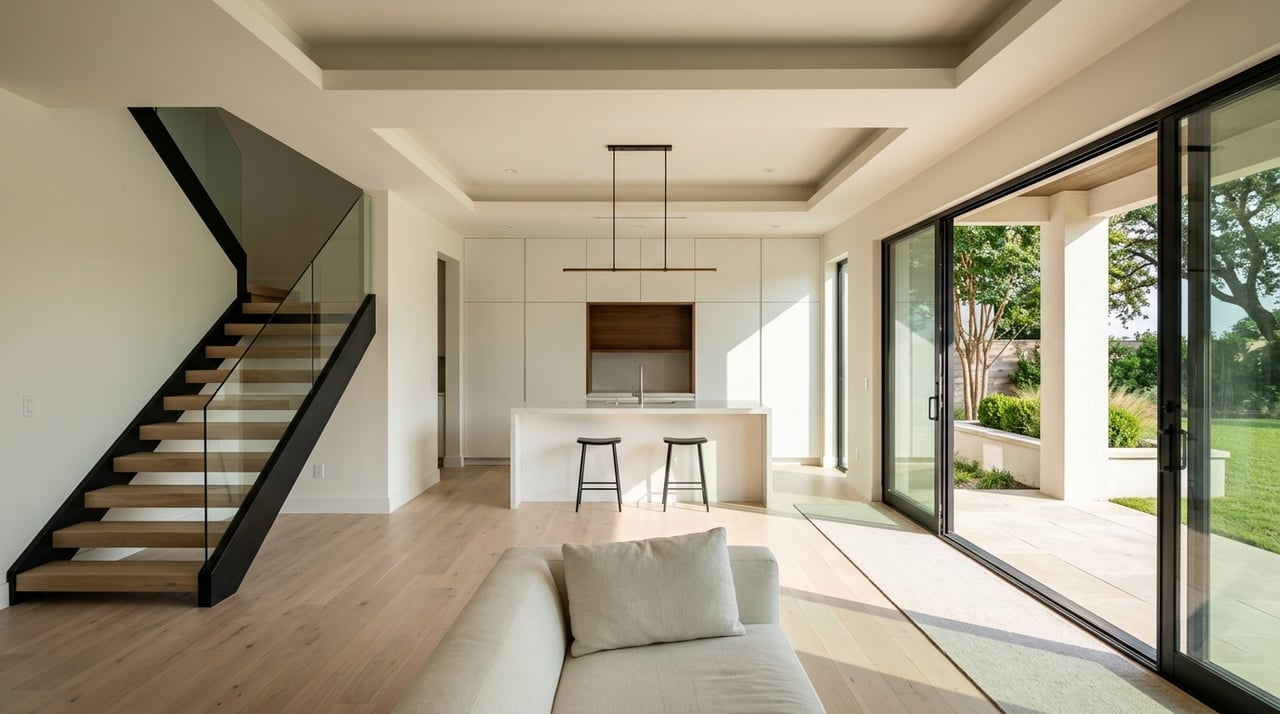
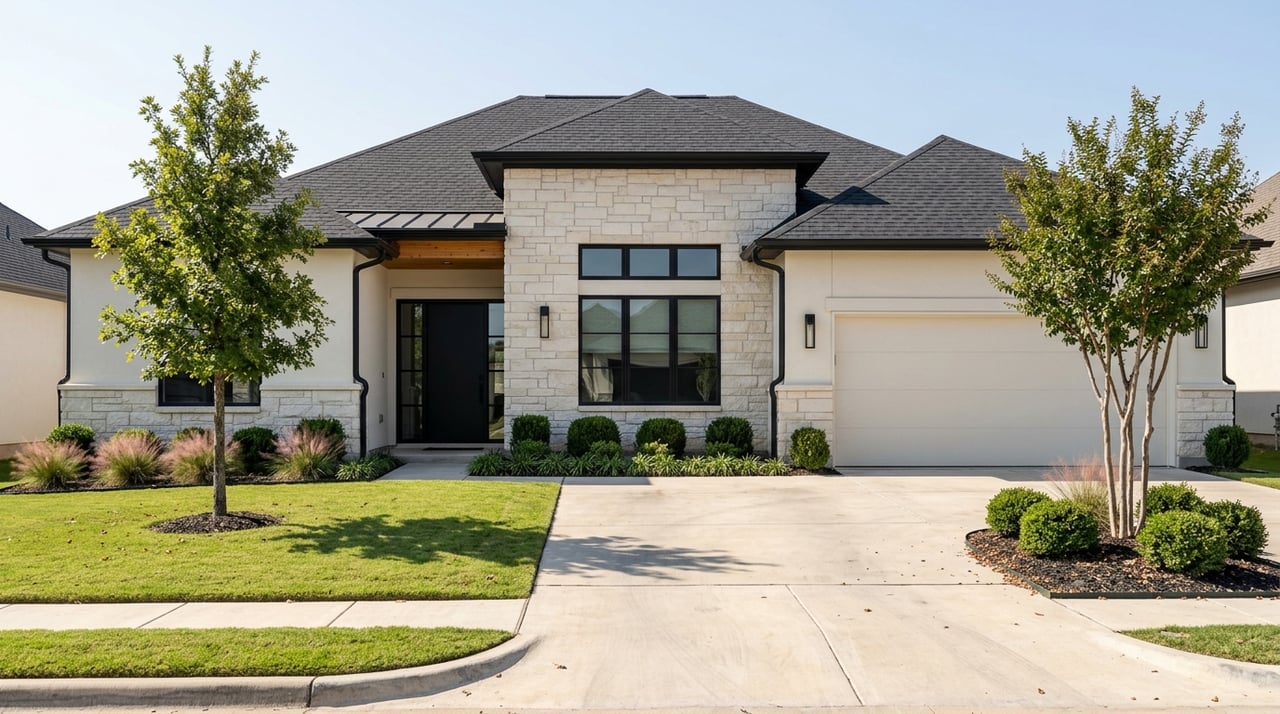
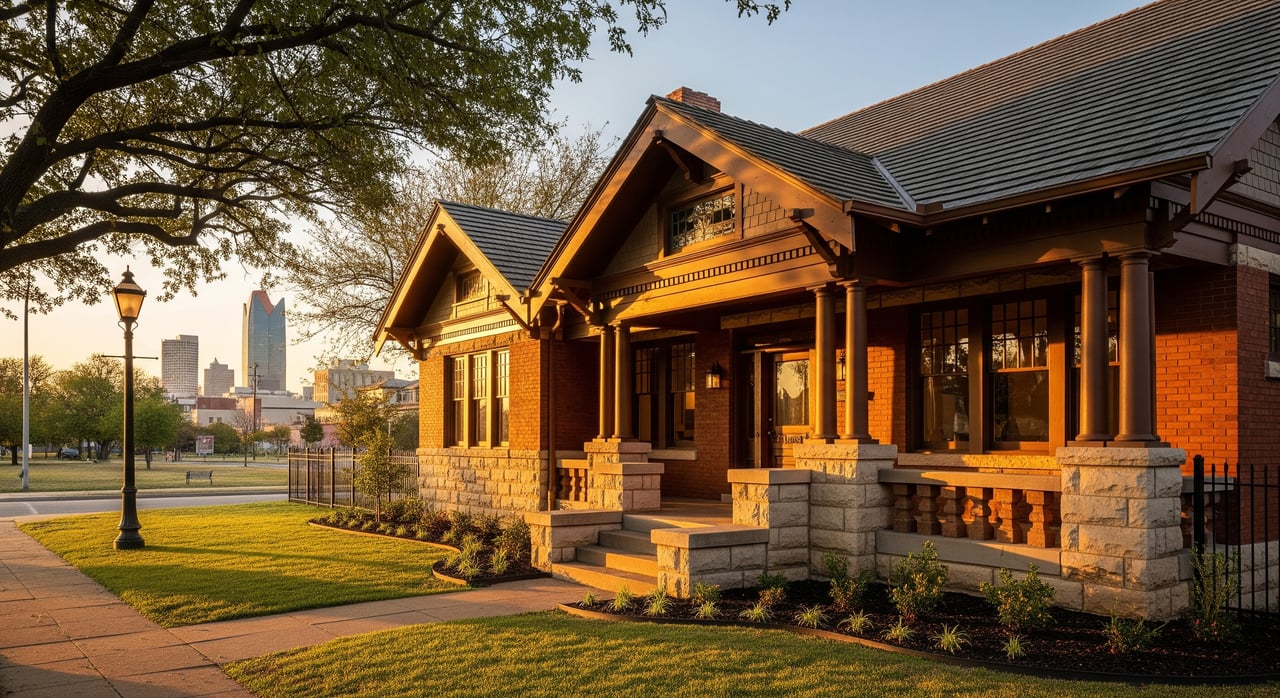
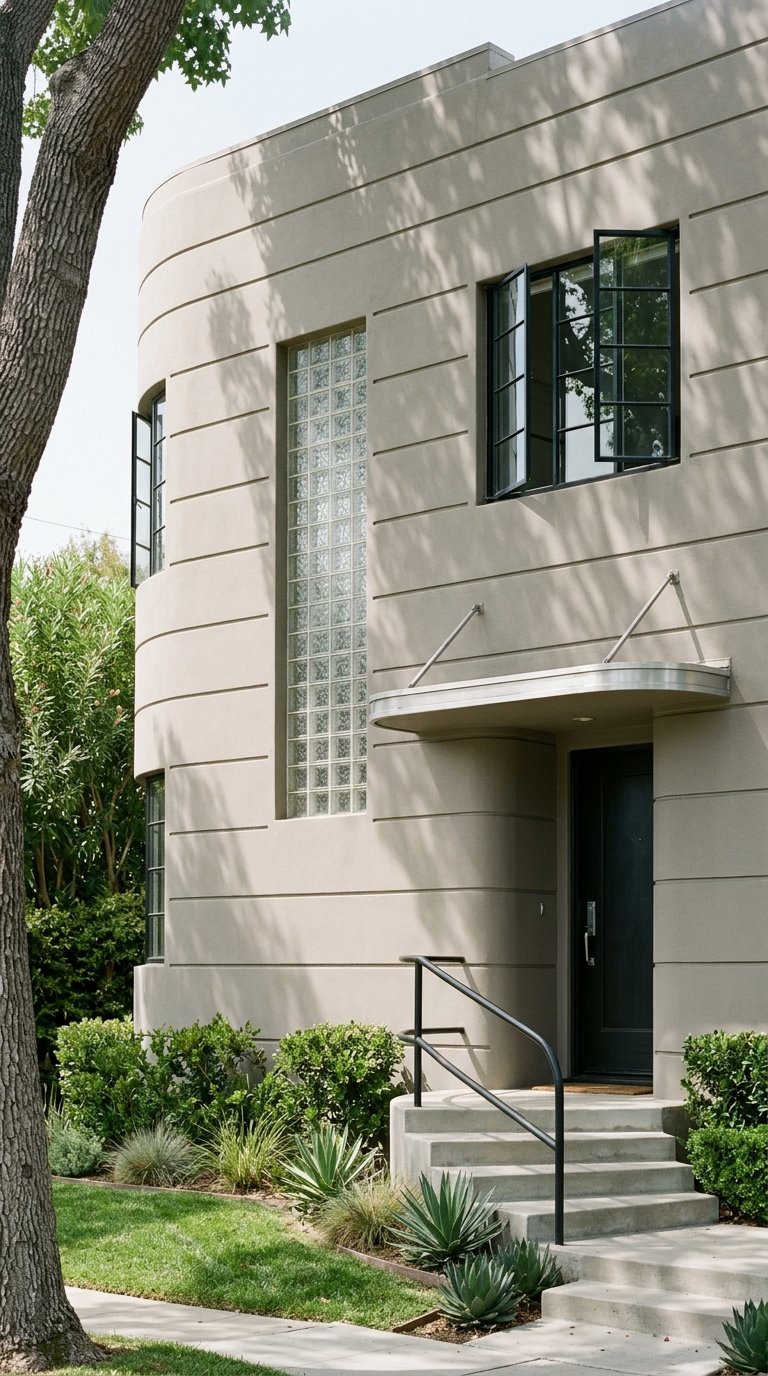
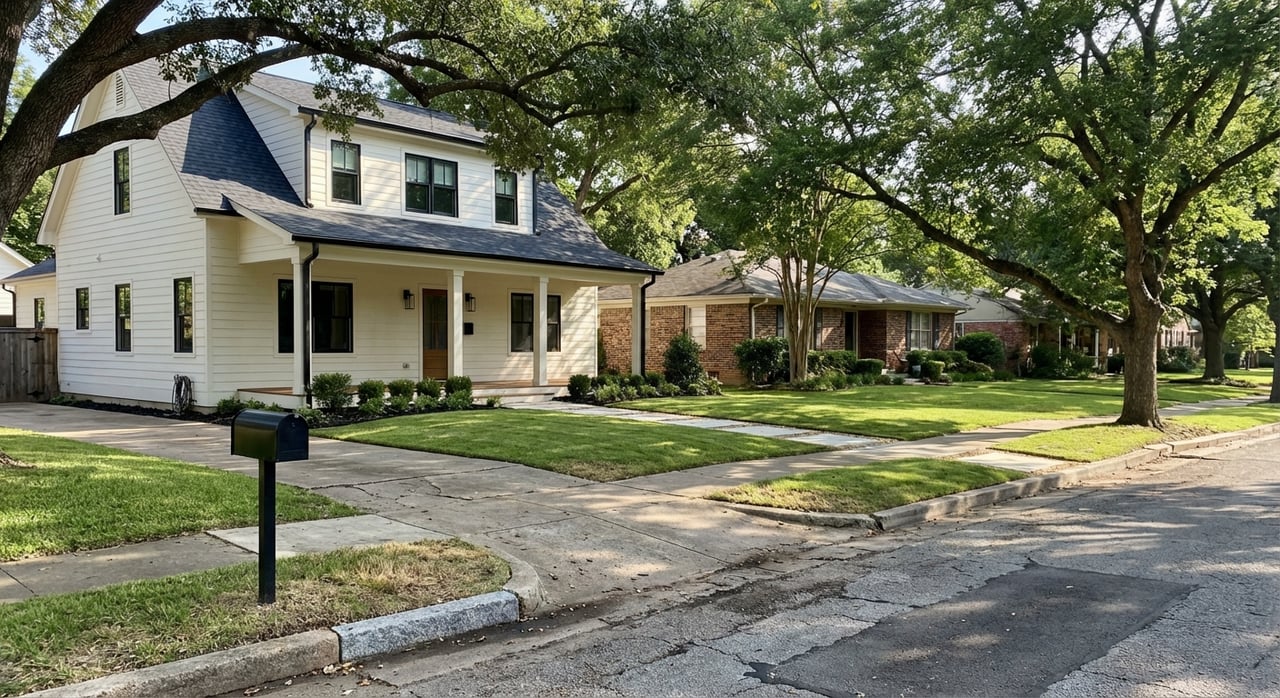
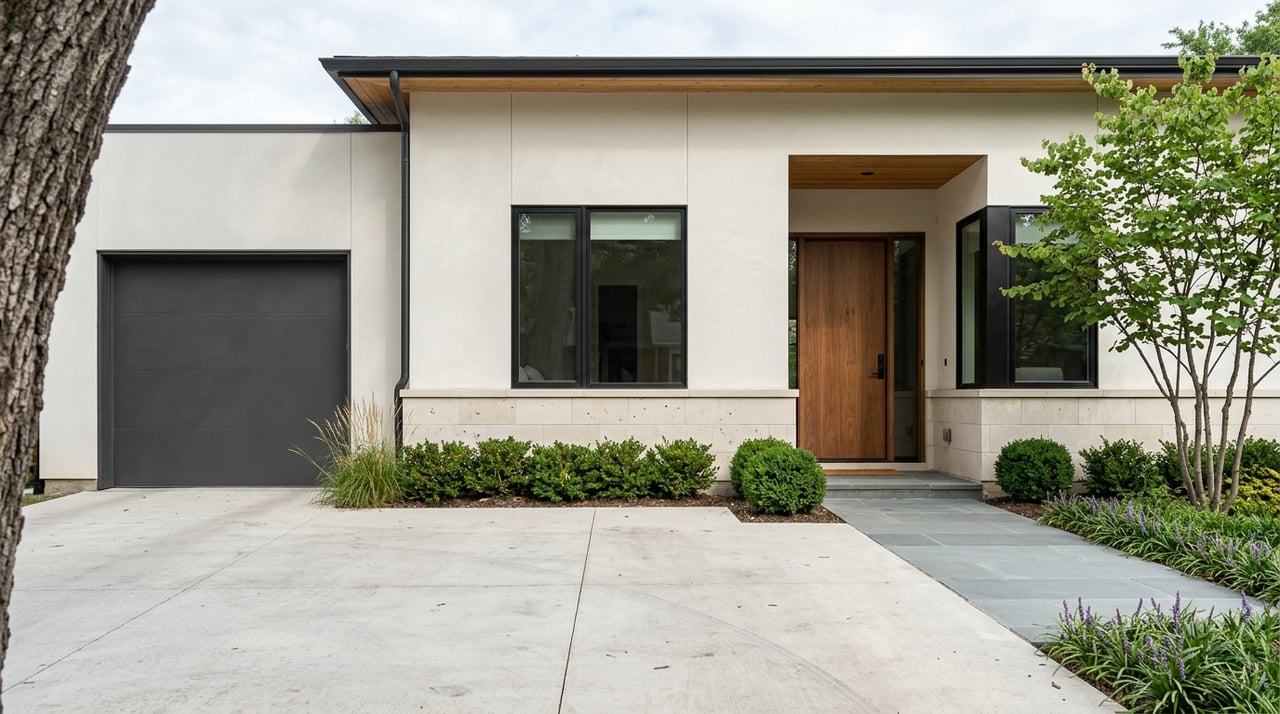
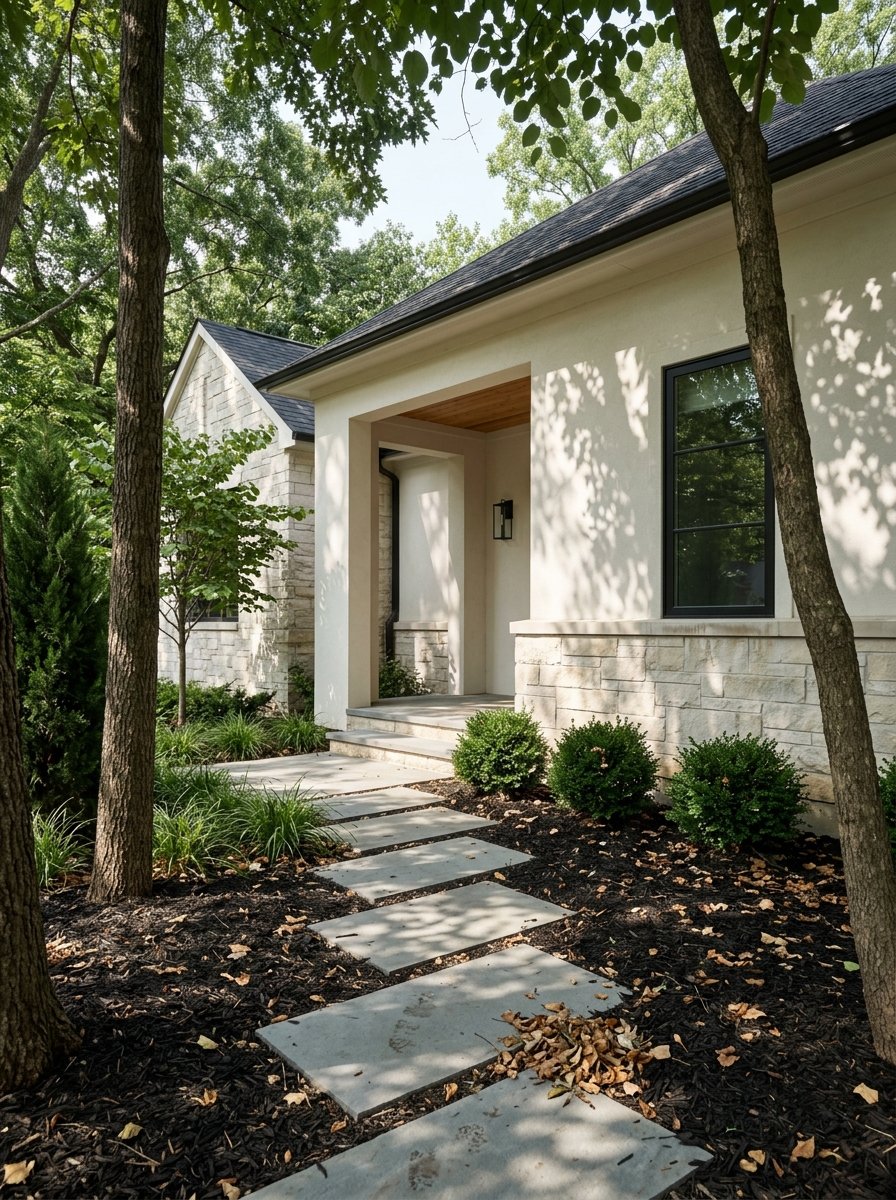
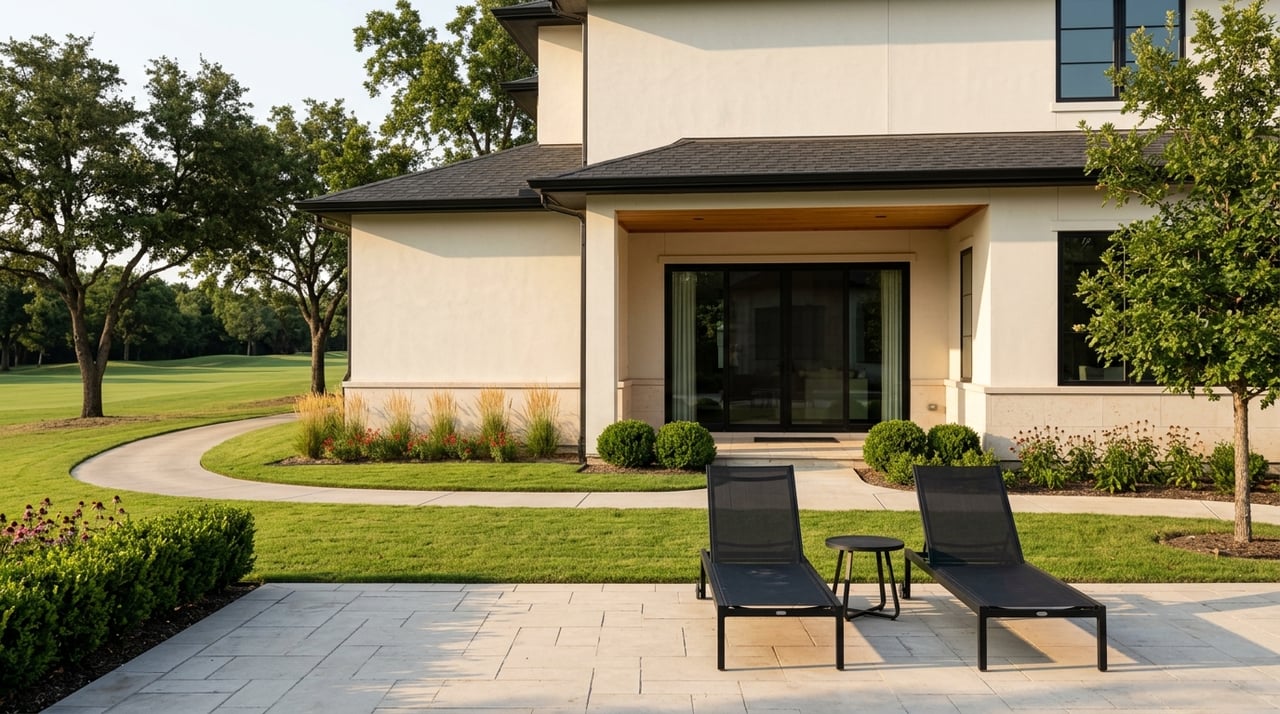
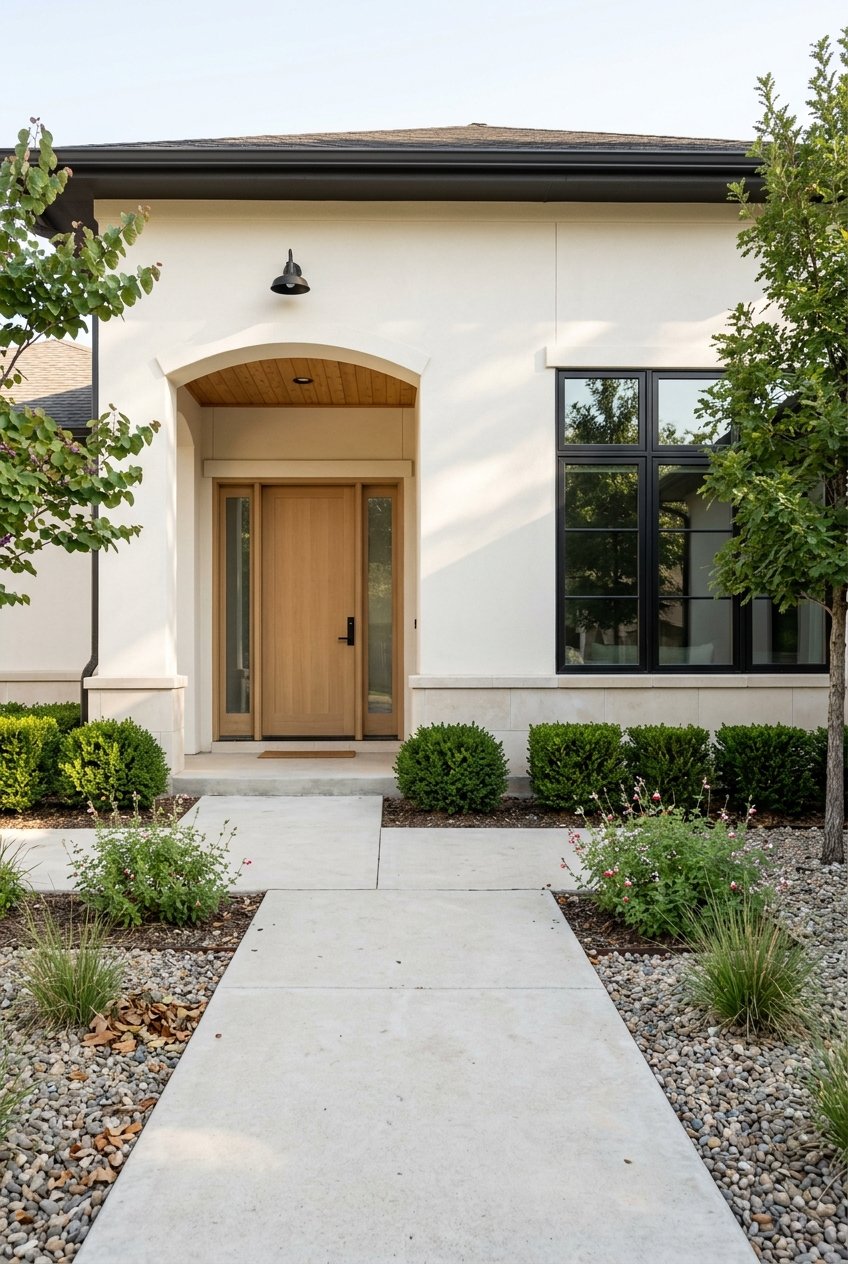
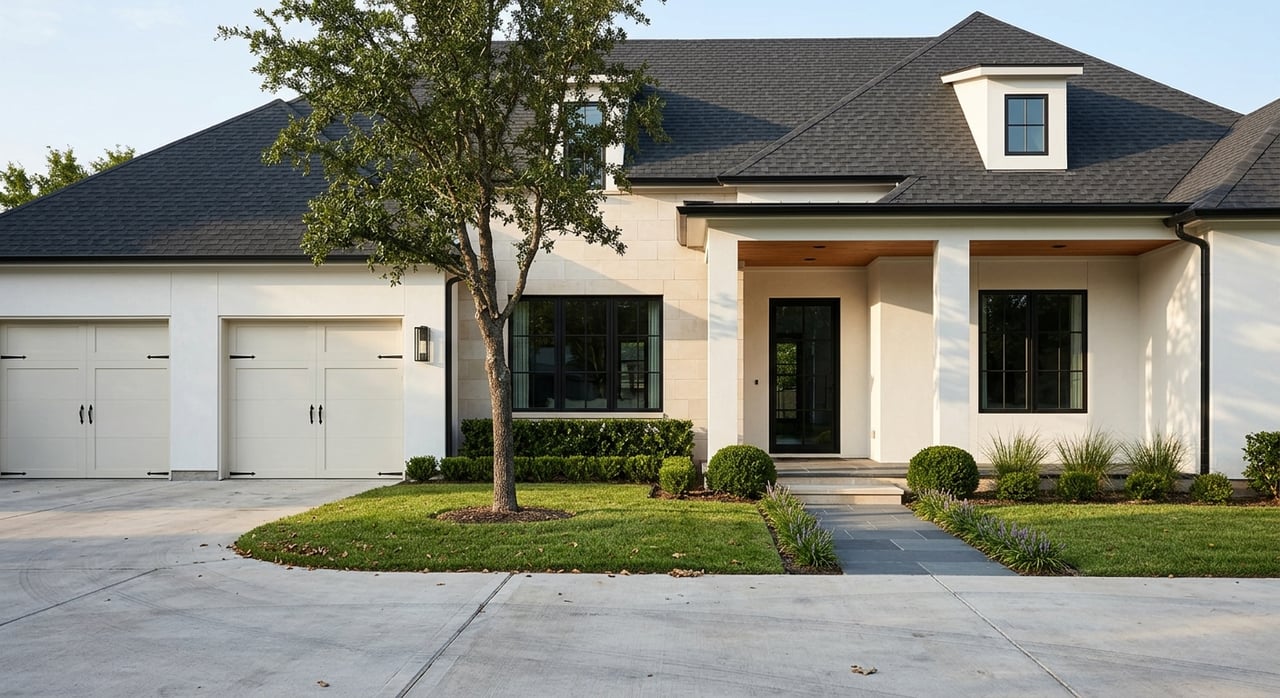
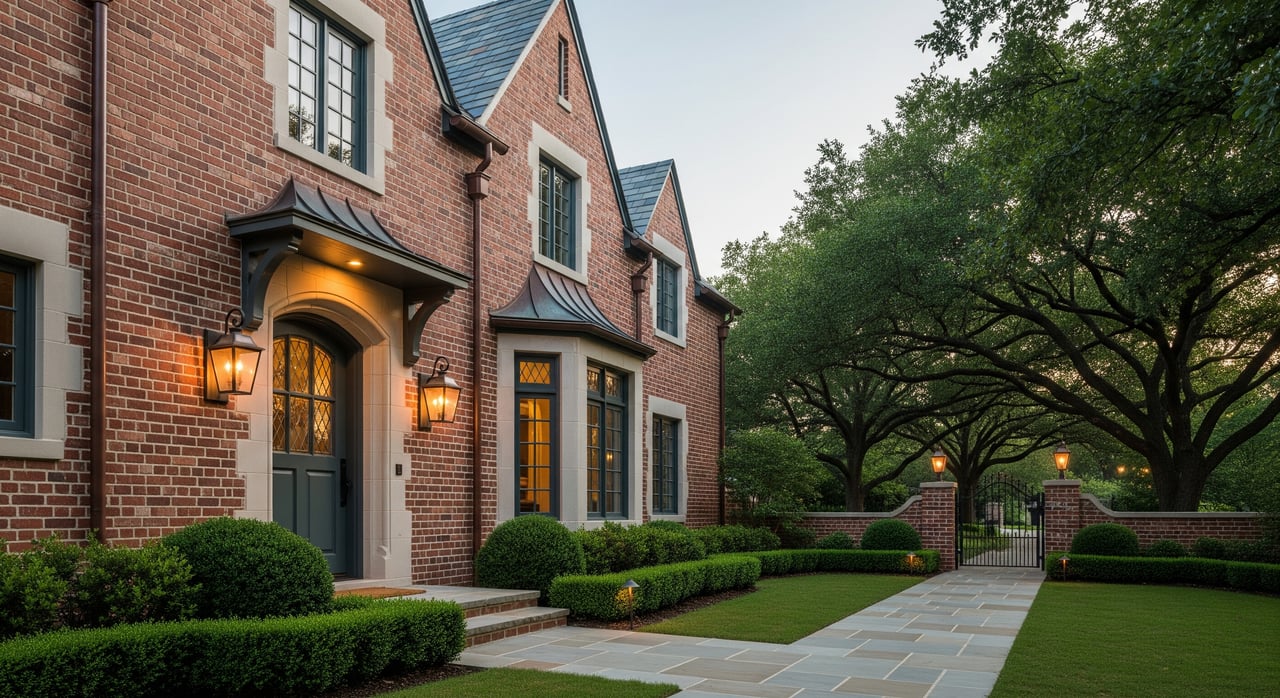
That matters in Quail Creek. The Quail Creek Homeowners Association describes a neighborhood built from the 1960s onward, with some sections not finished until the 1990s. More recently, existing homes have been torn down to make room for new construction. So the comparable sales on one street can include an original ranch house and a brand-new build. The Assessor also physically inspects each parcel at least once every four years and reviews values every year.
Oklahoma County tax figures
Oklahoma County publishes information on the assessment ratio, homestead exemption and millage:
| Piece | What Oklahoma County publishes |
|---|---|
| Assessment ratio | 11% assessment ratio |
| Homestead exemption, 2026 | The Assessor estimates savings of $75 to $130 |
| Millage | Set by city, school district and technology center district, so it differs by parcel |
Millage is where neighbors' bills can differ even when the homes look alike. The Assessor's rate table is still labeled with 2025 rates, certified November 17, 2025. The tax code on a specific Quail Creek parcel's record decides which line of that table applies, so a buyer should look up the address, not use a neighborhood average.
What SQ 847 would change, and what it would not
According to Oklahoma Watch, SQ 847 would not lower property tax rates. It would lower the annual growth caps from 3% to 1.75% for homesteads and agricultural property, and from 5% to 4% for other real property, including commercial and rental property. If it passes, it takes effect in the 2027 tax year. KOSU reported on October 23 that voters decide on November 3.
The arithmetic shows the effect. Oklahoma Watch uses a homestead valued at $200,000 in 2026, which could reach at most $203,500 in 2027 under the new cap. Running that same example forward at each cap's maximum gives these ceilings. The figures are calculations, not forecasts.
| Year | Ceiling at today's 3% cap | Ceiling at SQ 847's 1.75% cap |
|---|---|---|
| 2026 | $200,000 | $200,000 |
| 2027 | $206,000 | $203,500 |
| 2031 | about $231,855 | about $218,124 |
A lower cap slows how fast a long-held home's taxable value can climb. As Oklahoma Watch describes it, the measure would not change the rule for assessments in transfer years. If market values in a neighborhood rise faster than 1.75% a year, the gap between long-held owners' capped values and market values can grow. In March, Oklahoma Voice reported criticism of an early version of the proposal on exactly this point. Critics argued that long-held owners benefit while new buyers carry more of the burden.
Both sides have stated their case on the record. House Speaker Kyle Hilbert told the House, in remarks reported by Oklahoma Watch:
"This is a strong support for taxpayers. It would give the lowest cap on growth for homestead property in the entire country."
At a September 15 interim study, according to the same Oklahoma Watch report, Oklahoma City Assistant City Manager Brent Bryant said the city estimates it could lose $683 million in bonding capacity over 20 years if the measure takes effect. The Oklahoma Policy Institute warned that bills could still rise if local governments raise millage to cover existing bonds. Oklahoma Watch also cited an estimate by University of Central Oklahoma professor Ryan Kiggins: $42 million in lost local revenue in the first year and $241 million by the fifth.
Oklahoma has done this before. In 2012, State Question 758 lowered the homestead cap from 5% to 3% with more than two-thirds of the vote, and it took effect in 2013.
This post is general information, not legal, tax or financial advice. Confirm how these rules apply to a specific property with the Oklahoma County Assessor, a tax professional or an attorney.
If you are weighing a Quail Creek home this fall, Stetson Bentley can pull the parcel record and comparable neighborhood sales. Book an appointment to talk through your strategy.