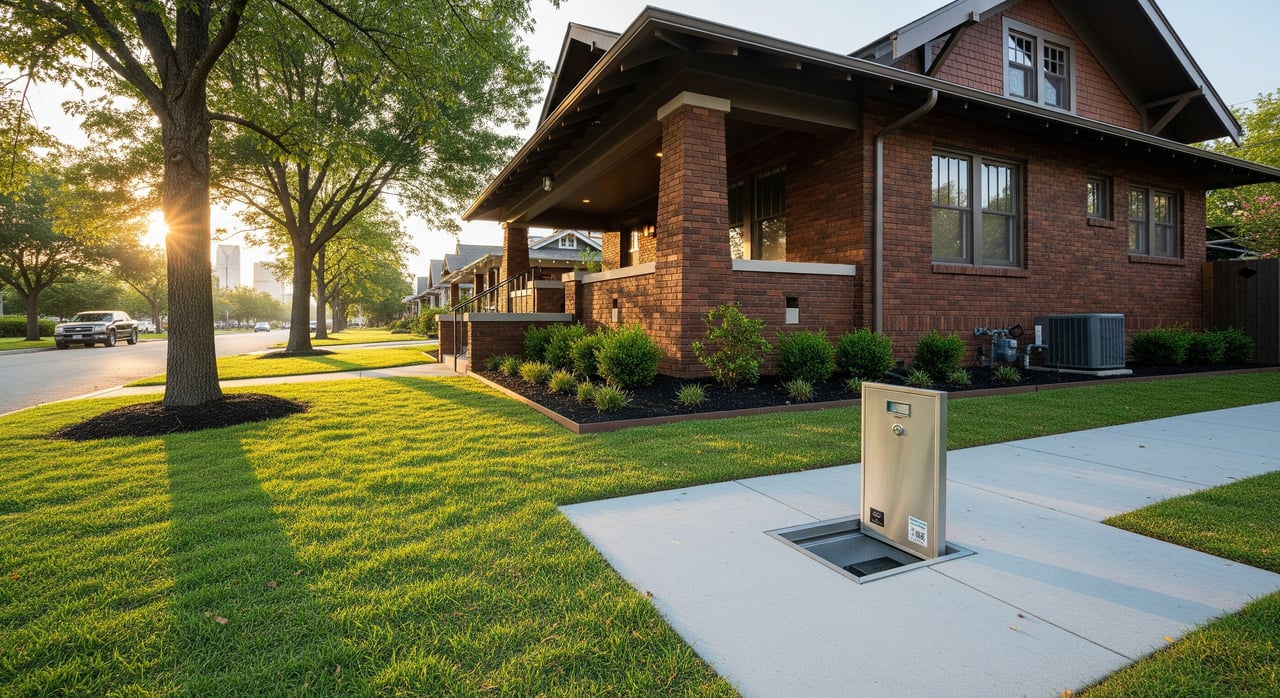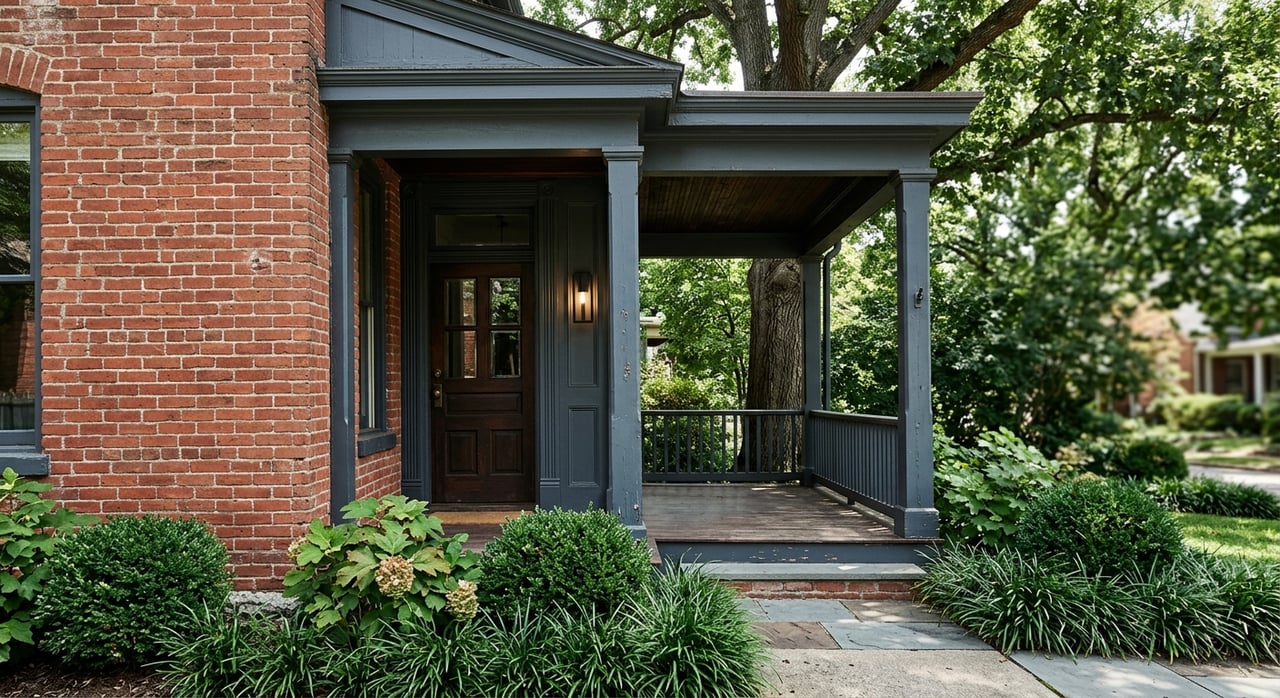
If you own a historic home in Mesta Park, you already know the appeal is in the details. The roofline, porch, windows, and overall street presence give these homes their character, but they can also make updates feel more complicated. The good news is that you can improve comfort, function, and long-term value without losing what makes the home special. Let’s dive in.
Why Mesta Park updates need care
Mesta Park is one of Oklahoma City’s best-known historic districts, and that status shapes how exterior changes are handled. The neighborhood was originally platted as University Addition in 1902, developed largely between 1906 and 1930, was listed in the National Register of Historic Places in 1983, and was zoned Historic Preservation in 1994.
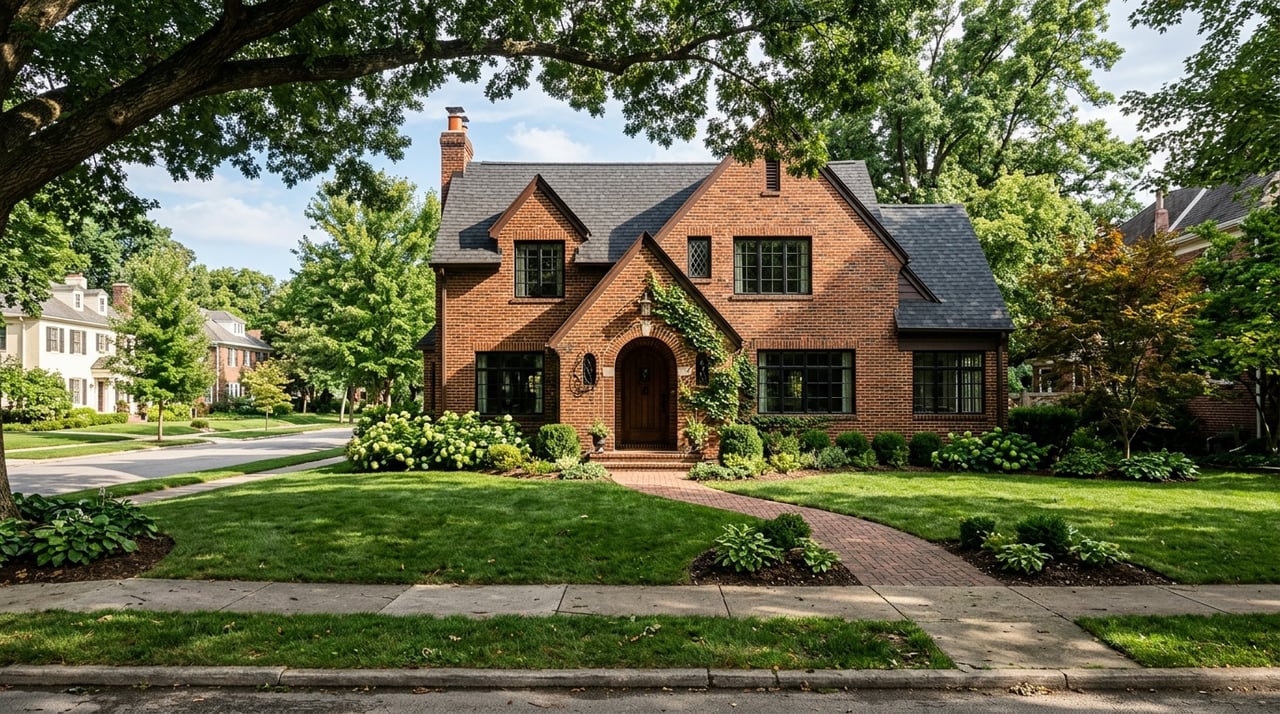
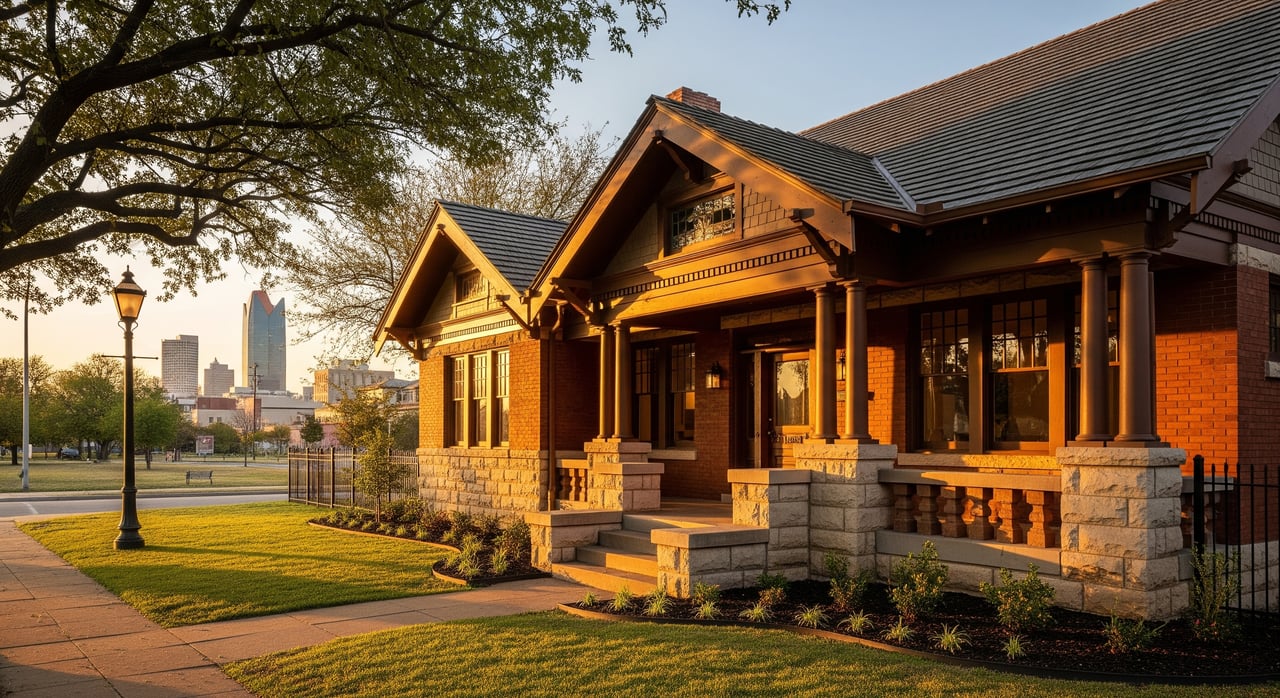
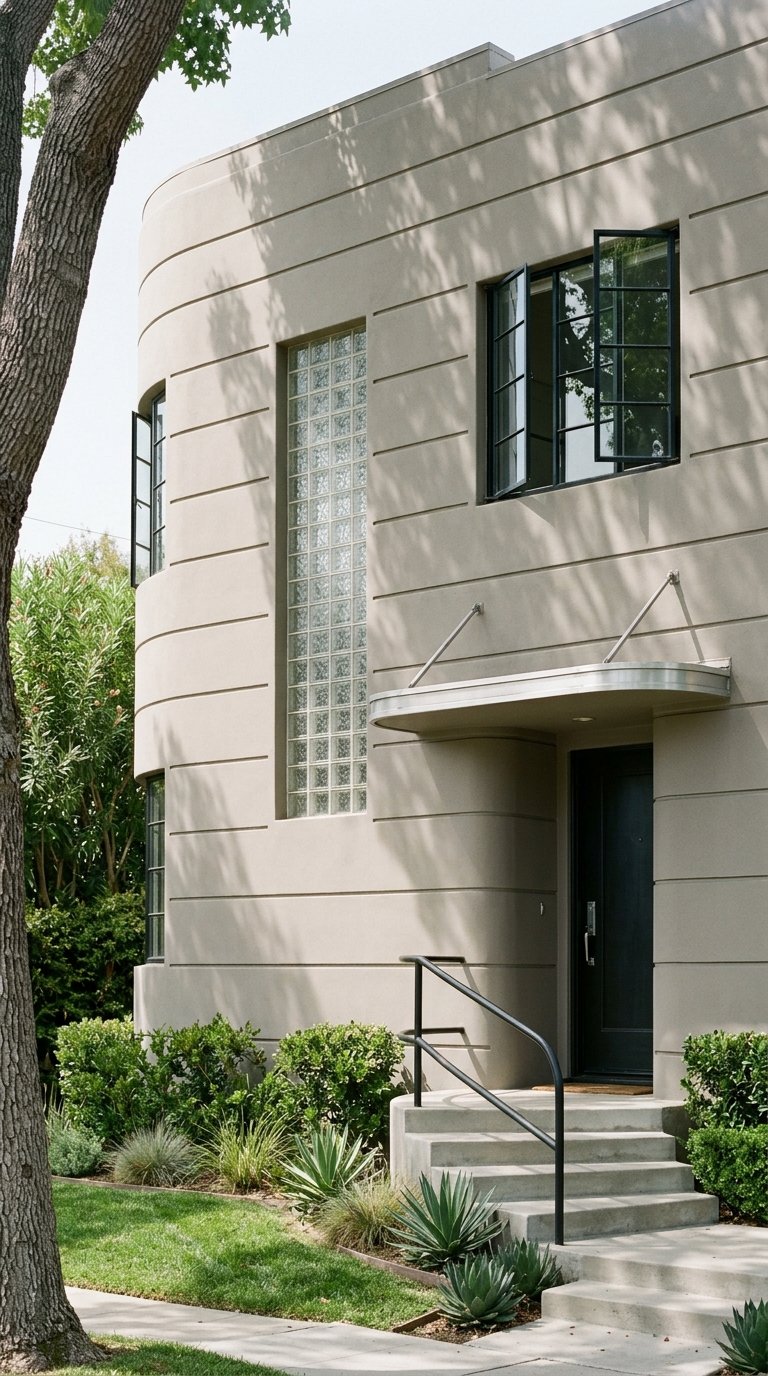
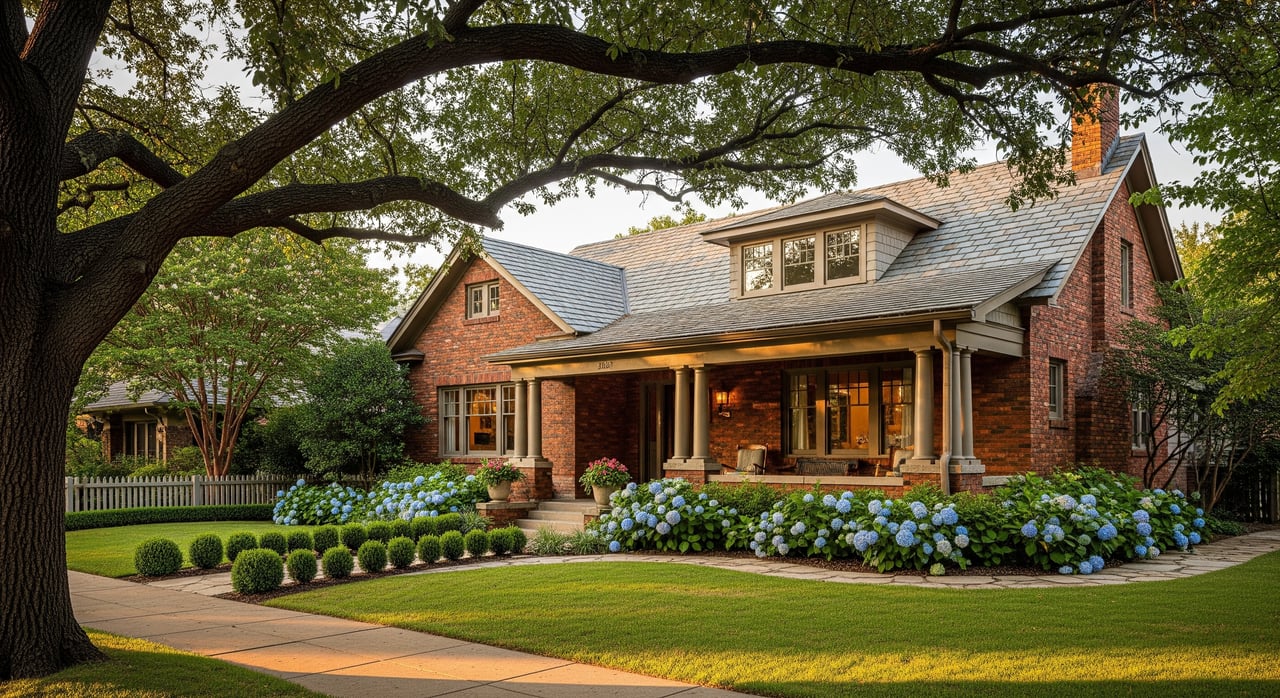
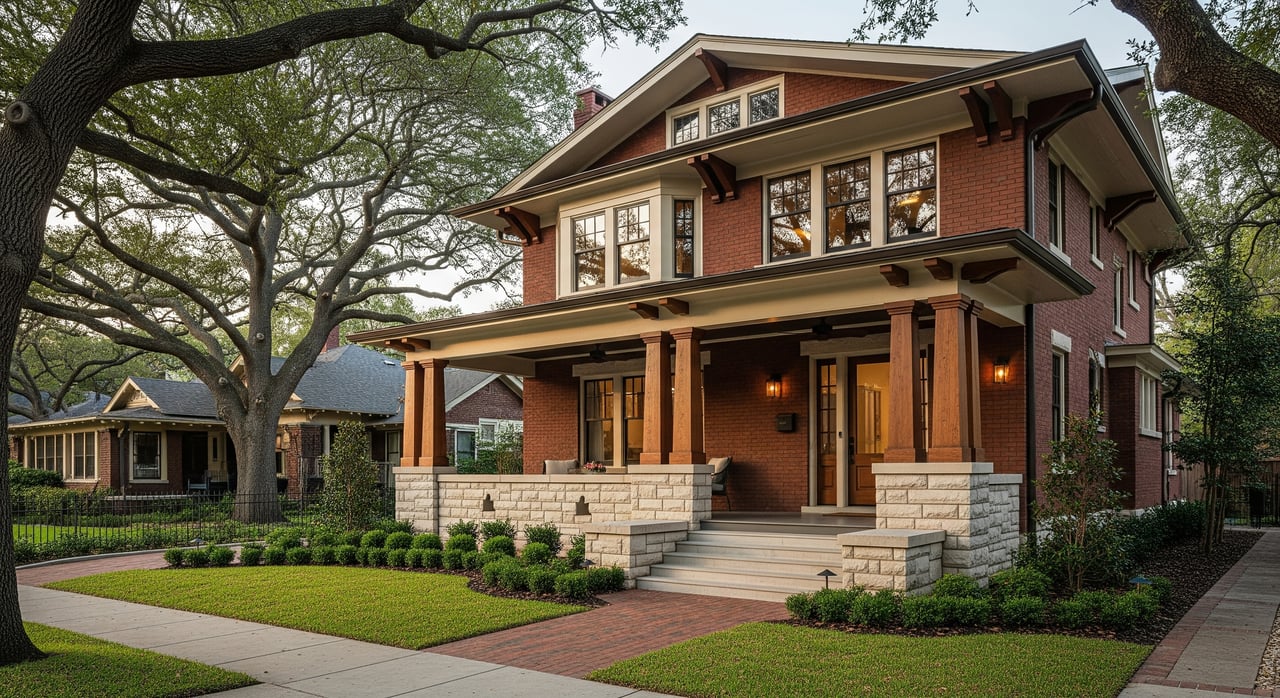
That history matters because many homes in the district still reflect early 20th-century architectural styles such as Prairie, American Foursquare, and Craftsman. In practical terms, the features that often define a home’s historic character include its overall form, roof shape, window proportions, porch details, and exterior materials.
What buyers and owners notice most
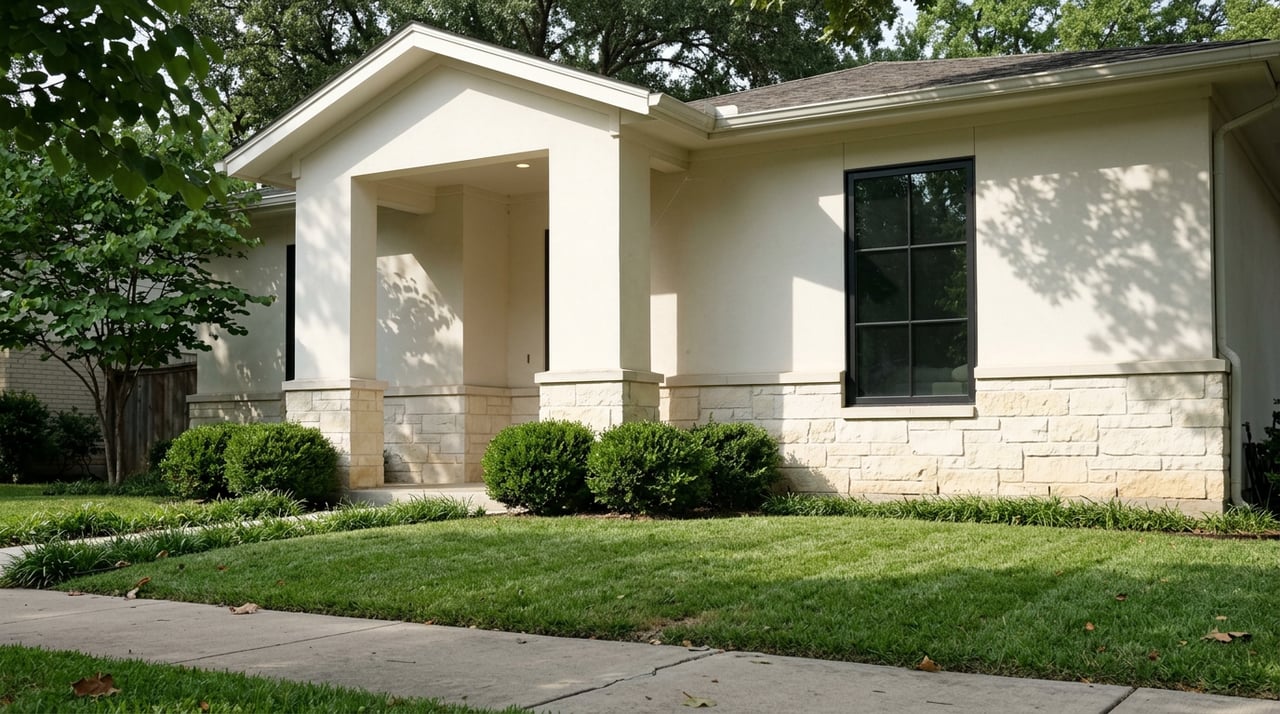
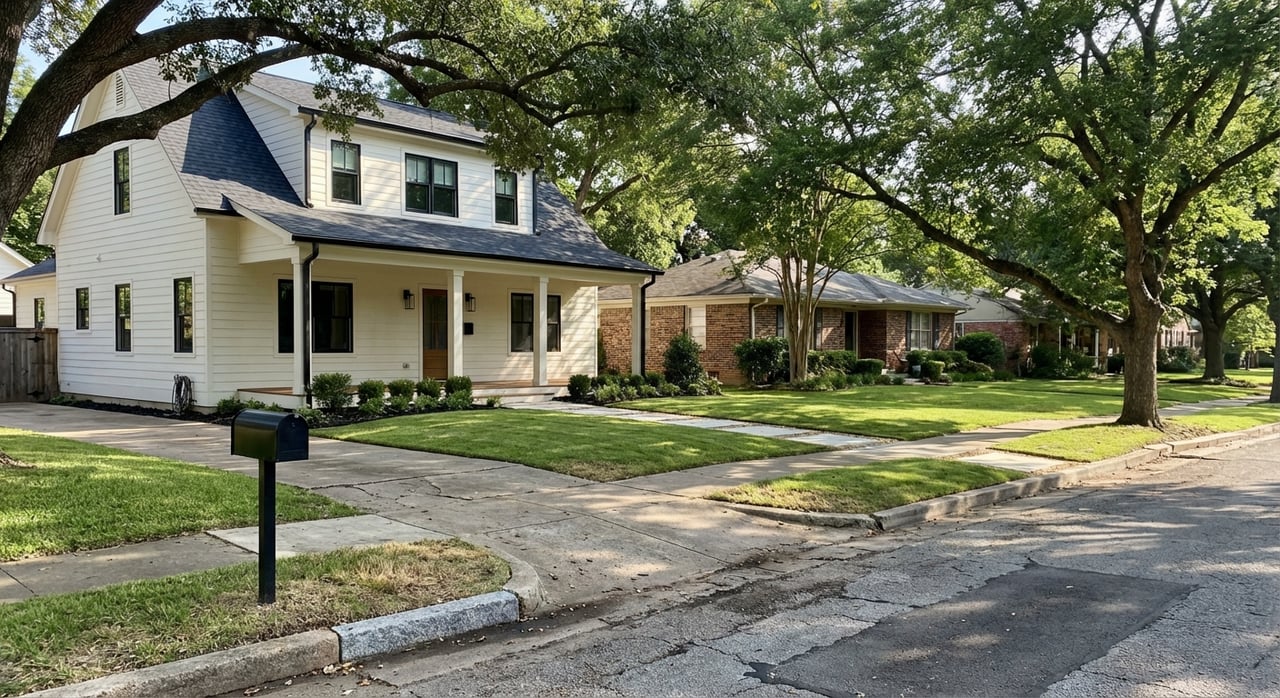
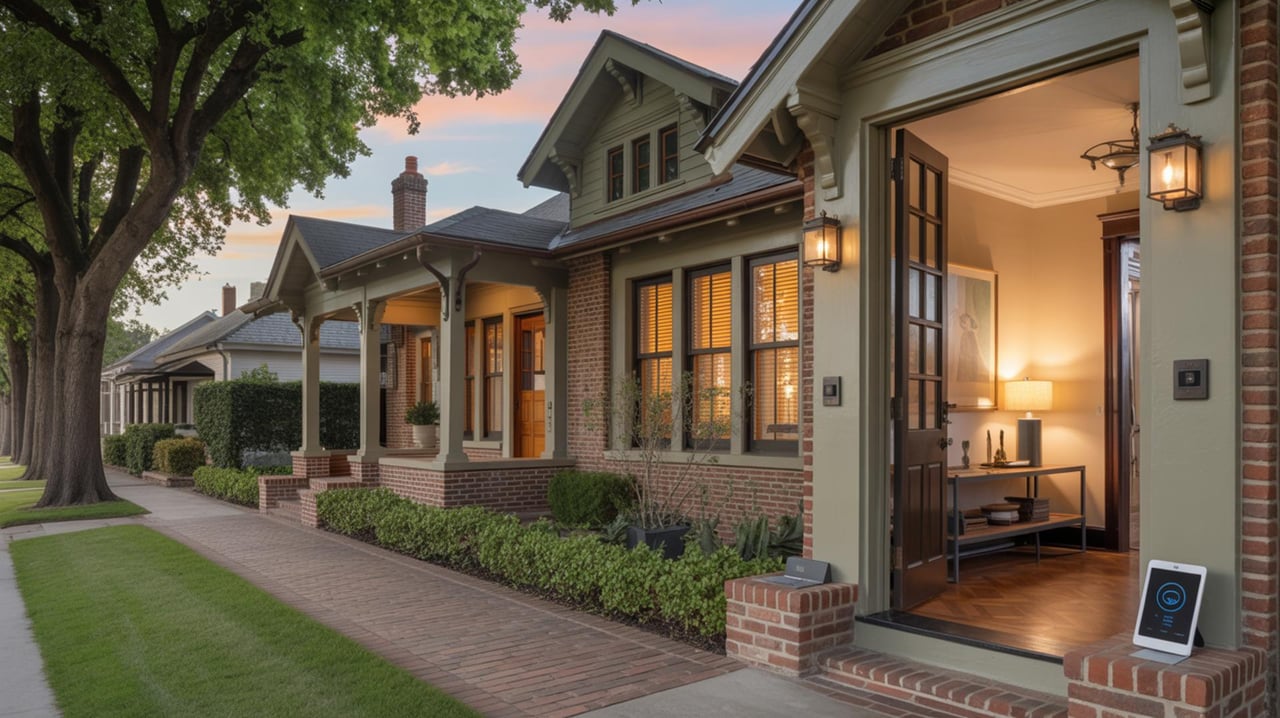
When you walk through Mesta Park, the homes tend to feel cohesive even though they are not identical. That comes from a shared rhythm of setbacks, porches, windows, and massing that developed over time. Preserving that rhythm is often just as important as preserving any single decorative detail.
For homeowners, that means the most sensitive changes are usually the ones visible from the street. A front-facing alteration that changes proportions or removes original features may have a bigger impact than an update placed at the rear of the home.
Start with repair before replacement
One of the smartest approaches to a historic home is simple: repair what you can before replacing it. This is especially true for original windows, doors, porch elements, and exterior materials that still have useful life.
For windows in particular, repair is often the first choice. If replacement becomes necessary, the new windows should match the old in design, color, texture, and other visible qualities, with materials matched where possible. Weatherstripping and storm windows can also improve comfort and efficiency without removing intact historic units.
Common Mesta Park update projects
In Mesta Park, several types of exterior work tend to come up again and again. Oklahoma City’s review materials specifically identify the kinds of features that are often reviewed in Historic Preservation districts.
Common projects include:
- Window repair or replacement
- Porch restoration or modification
- Roof work
- Rear additions
- Accessory buildings
- Fence changes
- Lighting and fixture updates
- Foundation work
- Landscape elements
- Energy-efficiency improvements
If your project touches one of these areas, it is worth slowing down and planning carefully before work begins.
Windows and doors: keep the visual rhythm
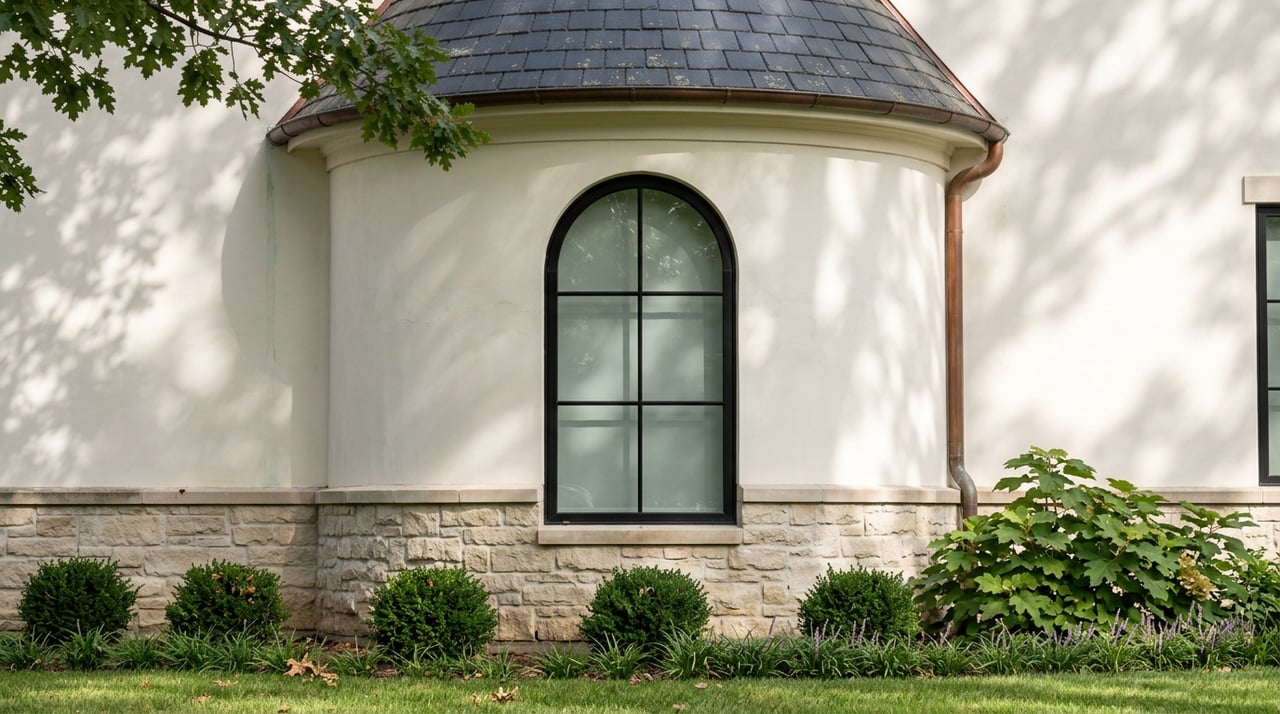
Historic windows and doors do more than open and close. They help create the pattern of openings that gives a home its look and balance. In a neighborhood like Mesta Park, that pattern is part of the property’s character.
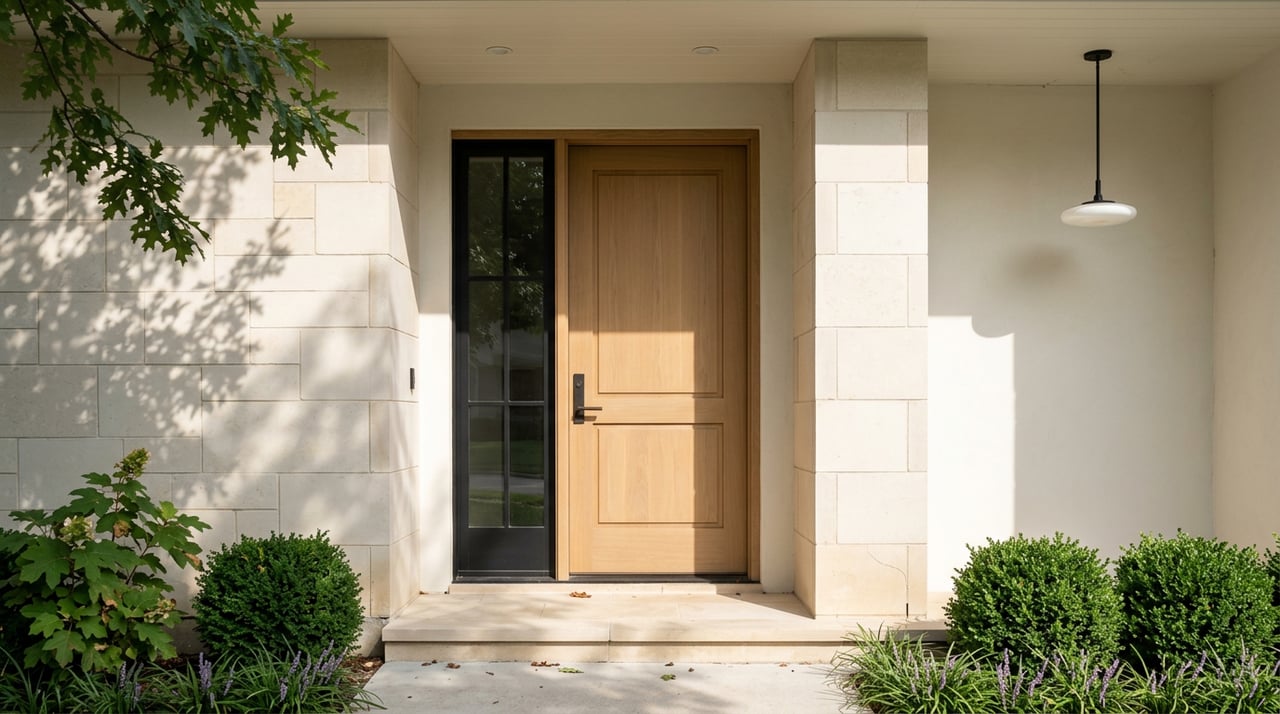
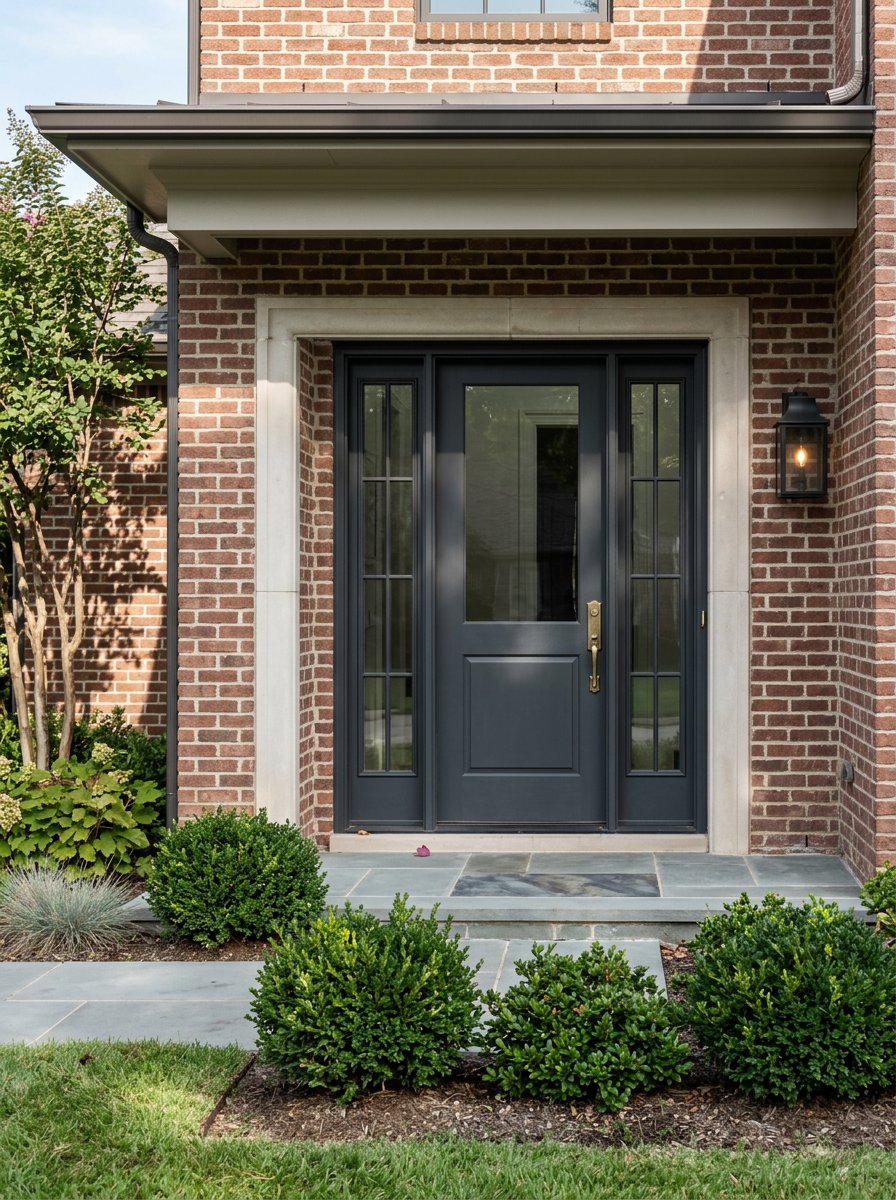
If you are thinking about new windows or a new front door, focus on matching the original proportions and design as closely as possible. A change that seems minor in a showroom can look very different once it is installed across a front facade.
Practical window priorities
If your windows are drafty or worn, these steps often make sense:
- Assess whether the original units can be repaired
- Check whether weatherstripping can improve comfort
- Consider storm windows if appropriate for the home
- Replace only when repair is no longer practical
- Match the original design and visual qualities if replacement is needed
Porch updates can change the whole house
On many Mesta Park homes, the porch is one of the first things people notice. Porch columns, railings, steps, decking, and trim all contribute to the home’s historic appearance.
Because porches are highly visible, even small changes can affect the entire facade. If you need to address deterioration, the usual preservation-minded approach is to repair existing elements where feasible and avoid introducing details that do not fit the home’s original style.
Roofs, materials, and foundations matter
Roof work is often necessary on older homes, but it can also change the house more than owners expect. Roof shape and roofline are part of the home’s defining form, so maintaining those visible characteristics is important.
The same principle applies to siding, trim, masonry, and foundation work. Incompatible substitute materials can damage surviving historic fabric, so replacement decisions should be made carefully. When feasible, repairing deteriorated material is often the better path.
Additions work best at the rear
Many owners want more living space, better flow, or room for modern needs. That goal is understandable, but additions to a historic home require a balanced approach.
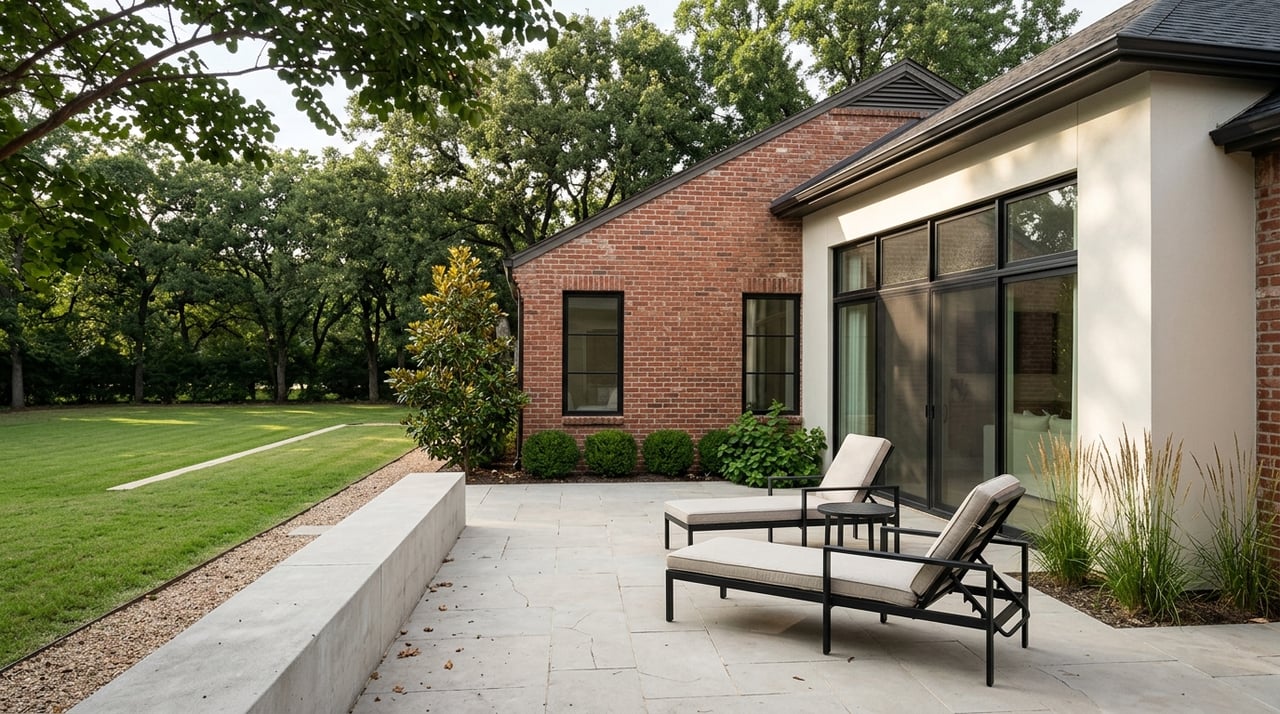
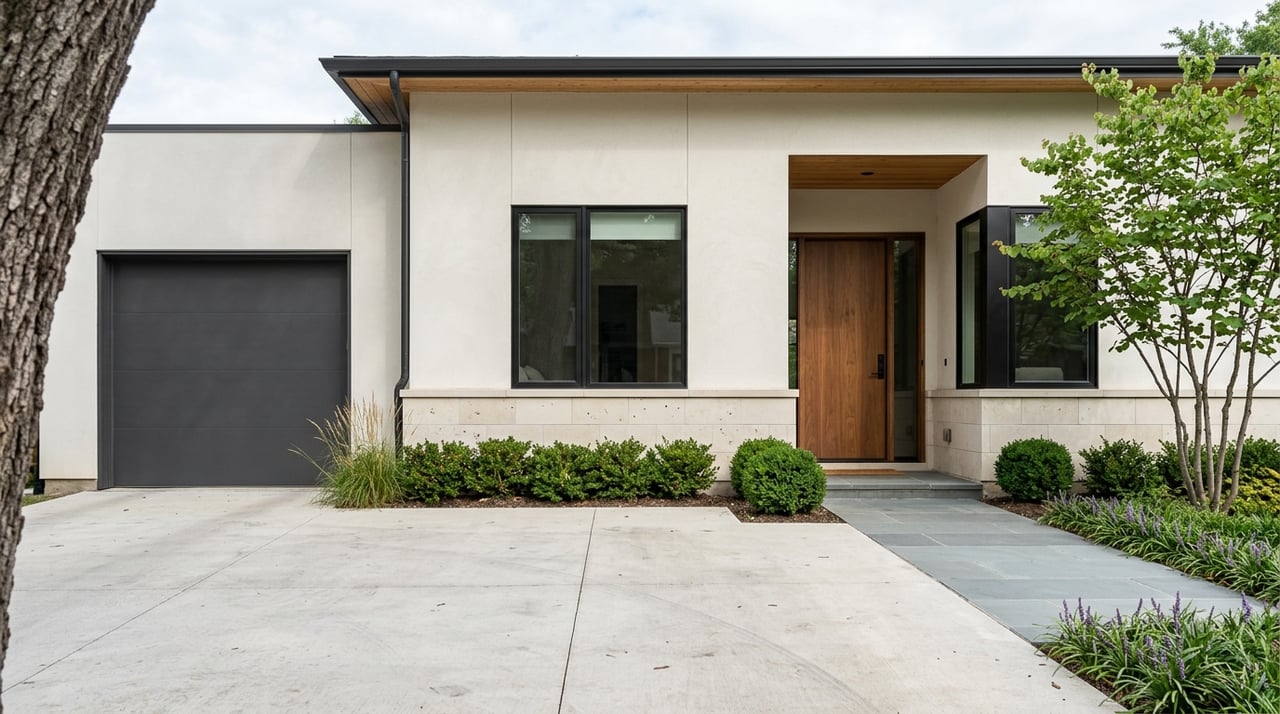
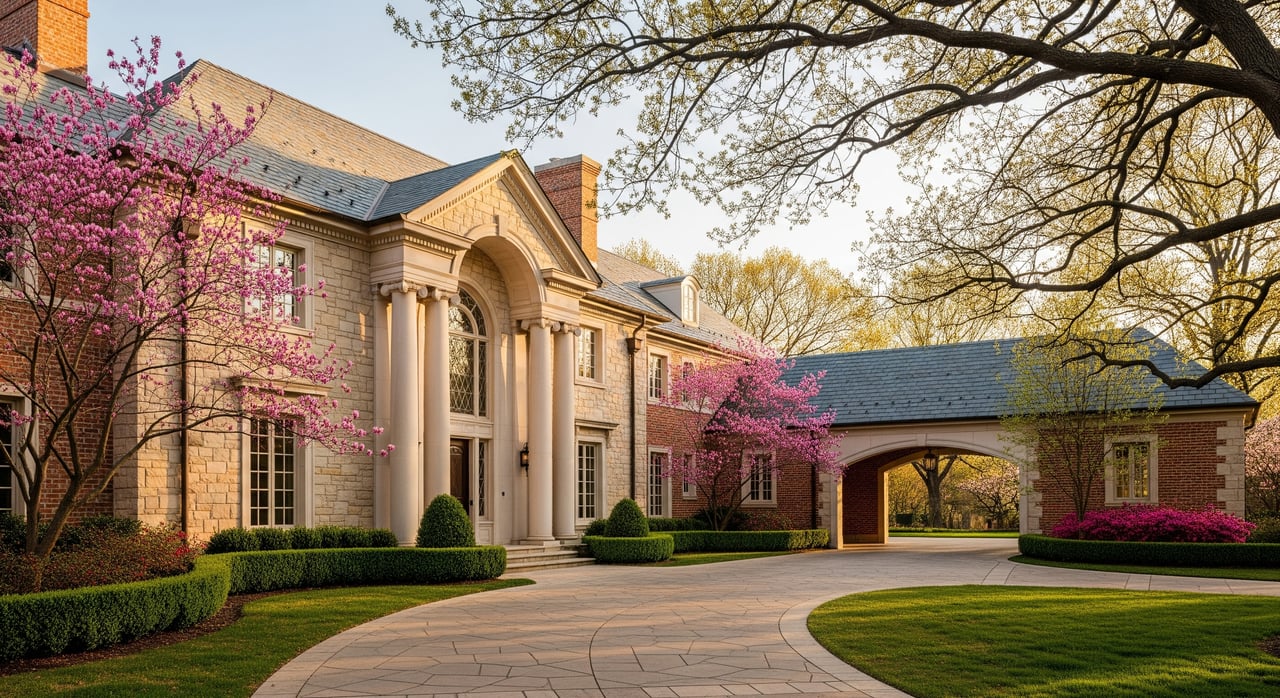
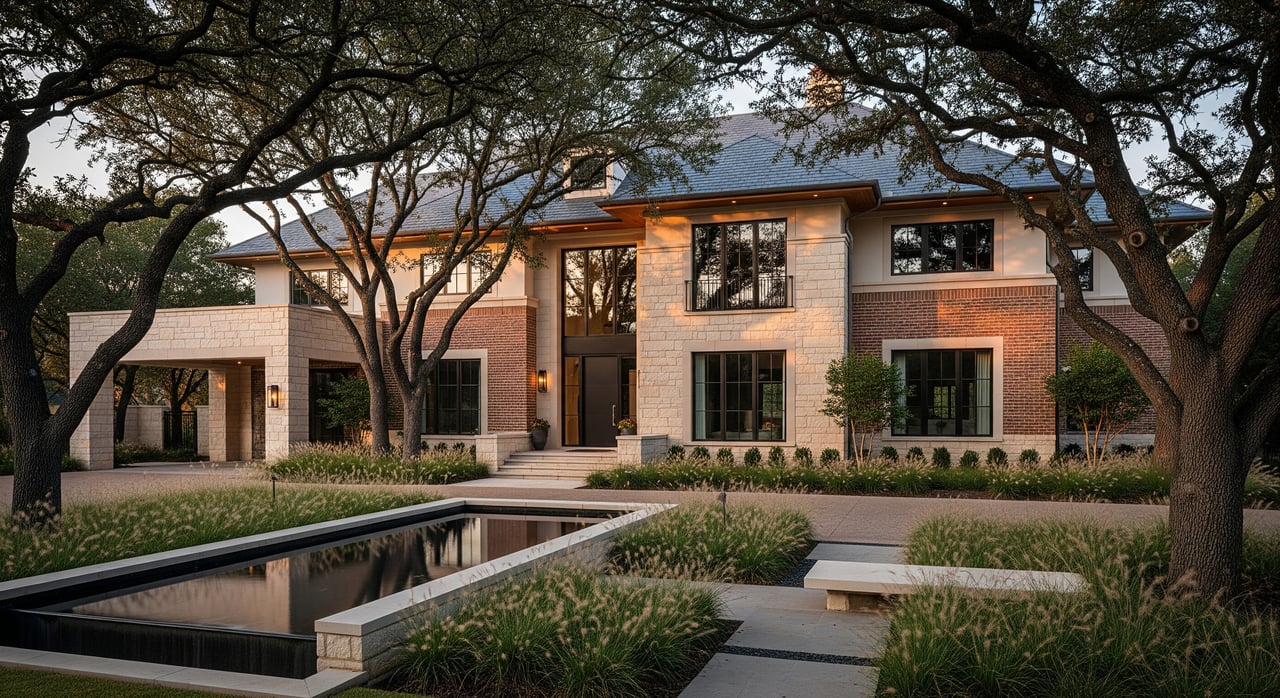
In general, additions should be compatible with the original house without trying to duplicate it exactly. They should preserve the historic building’s form and remain clearly secondary to the main structure. In Mesta Park, that often points to rear or secondary-side additions rather than expanding the front elevation.
What a compatible addition usually does
A well-planned addition typically:
- Stays subordinate to the original house
- Preserves the main facade
- Fits the home’s massing, scale, and features
- Keeps the original structure visually readable
- Avoids disrupting the street-facing character
Know when city review is required
In Oklahoma City, exterior changes, demolitions, and new construction in Historic Preservation districts require city review. The city recommends discussing projects with Design Review staff before submitting an application.
For historic-preservation projects, owners submit a Historic Preservation Application to the Planning Department and a building permit application to Development Services. The city notes that it is recommended to apply for historic approval before the building permit, though the two can be submitted at the same time.
Some work may be approved administratively
Not every project follows the same path. Some routine items may qualify for administrative approval if they meet the city’s standards, while larger or more visible changes may go before the Historic Preservation Commission.
The city’s application materials list several types of work that may qualify for administrative approval, including certain sidewalks and driveways, landscape elements, fences and walls, exterior-material repair, porch elements, doors and entries, windows, roofs, foundations, accessory buildings, lighting, and some energy-efficiency features.
That is one reason buyers and sellers in Mesta Park should pay attention to past exterior improvements. If a home has visible updates to windows, porches, fences, additions, or accessory structures, it is worth confirming how that work moved through the city process.
When to call in a specialist
Some historic-home projects are manageable as routine maintenance. Others call for more planning and more experienced hands.
If the original material is fragile, the repair will be highly visible from the street, or the project goes beyond simple maintenance, it may be time to consult a preservation architect, experienced contractor, or similar specialist. More extensive window repairs, for example, may require professional help.
Why this matters when buying or selling
If you are buying in Mesta Park, a well-updated historic home can offer charm and function at the same time. Still, it helps to look closely at the quality and visibility of any exterior changes. Thoughtful updates often support long-term appeal, while poorly matched alterations can raise questions about future work.
If you are selling, preservation-minded improvements can help your home present more clearly to buyers who value the neighborhood’s architectural character. Clean documentation, careful planning, and a strong understanding of what makes the house distinctive can also support a smoother conversation during the transaction.
For both buyers and sellers, local context matters. In a neighborhood like Mesta Park, the right strategy is not just about square footage or finishes. It is also about understanding how updates fit the home, the block, and the city’s historic-preservation framework.
If you are preparing to buy, sell, or evaluate a historic home in Oklahoma City, Stetson Bentley can help you build a smart, property-specific strategy with local insight and clear guidance.
FAQs
What makes a home in Mesta Park historic?
- Many homes in Mesta Park were built during the neighborhood’s main development period from 1906 to 1930, and the district is recognized by Oklahoma City as a Historic Preservation area with early 20th-century architectural character.
Do exterior changes to a Mesta Park home require city review?
- Yes. In Oklahoma City Historic Preservation districts, exterior changes, demolitions, and new construction require city review.
What types of home projects are commonly reviewed in Mesta Park?
- Commonly reviewed projects include windows, doors, porches, roofs, foundations, exterior materials, fences, accessory buildings, landscape elements, lighting, and some energy-efficiency features.
Should you repair historic windows before replacing them in Mesta Park?
- In many cases, yes. Repair is typically the first option, and if replacement is necessary, the new window should closely match the original design and visible qualities.
Where should an addition go on a historic Mesta Park home?
- Rear or secondary-side additions are often the most compatible choice because they help preserve the original front facade and keep the historic house visually dominant.
When should you bring in a preservation professional for a Mesta Park project?
- It is a good idea when the original materials are fragile, the work is highly visible from the street, or the project goes beyond basic maintenance.