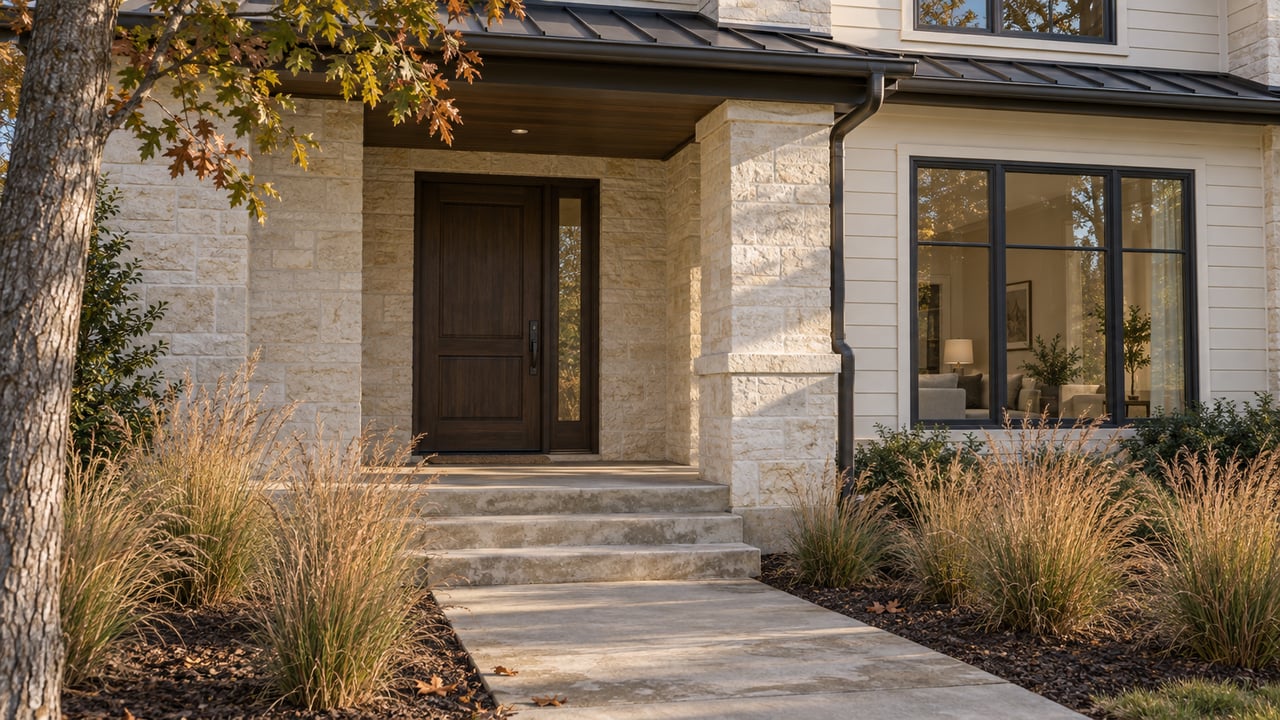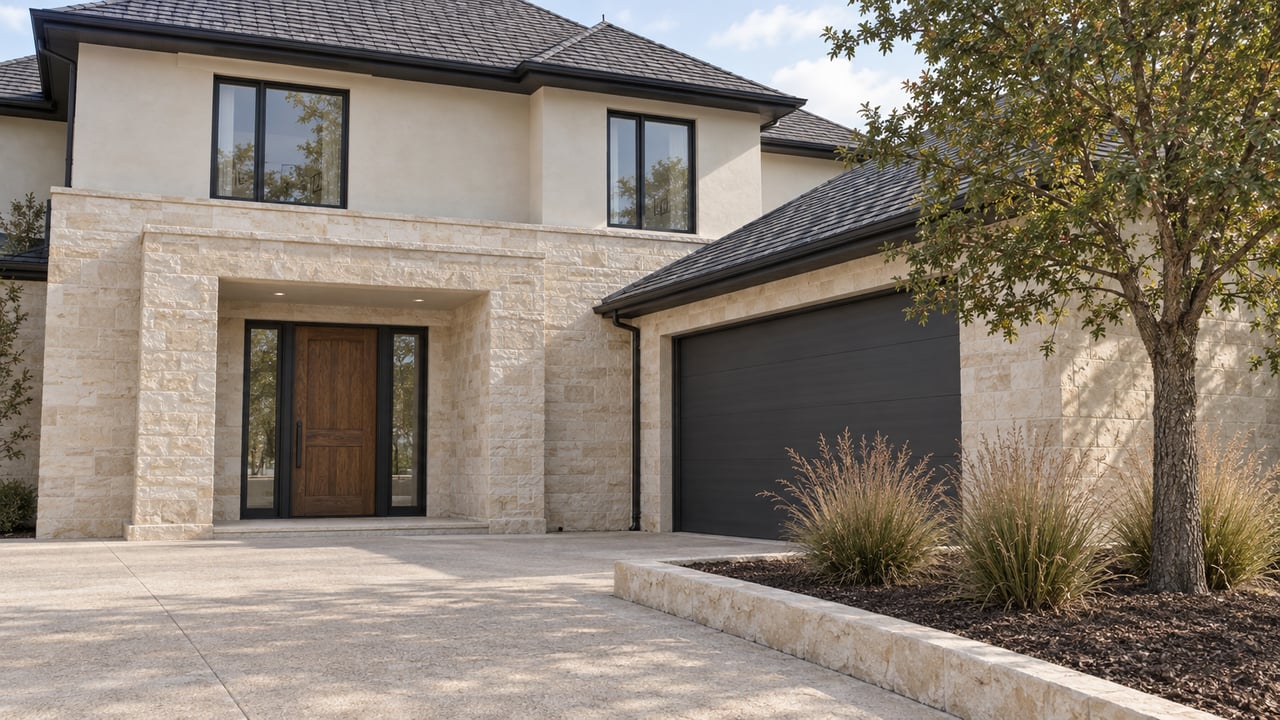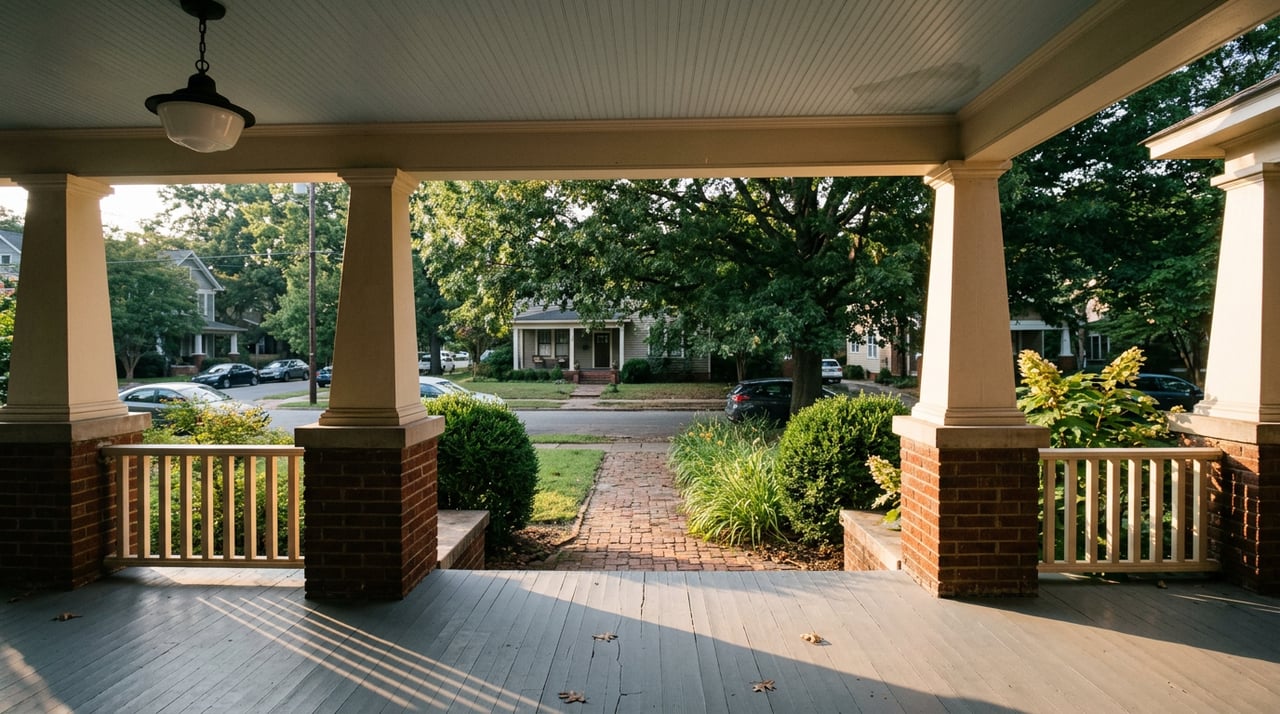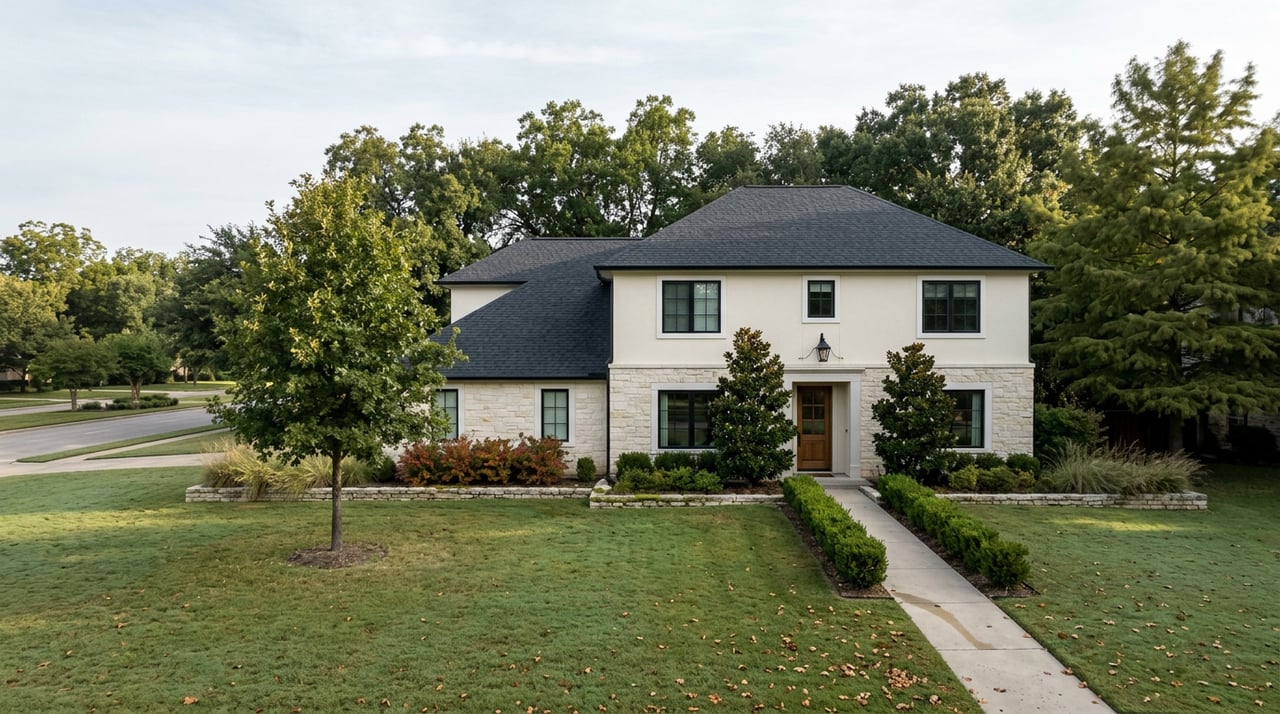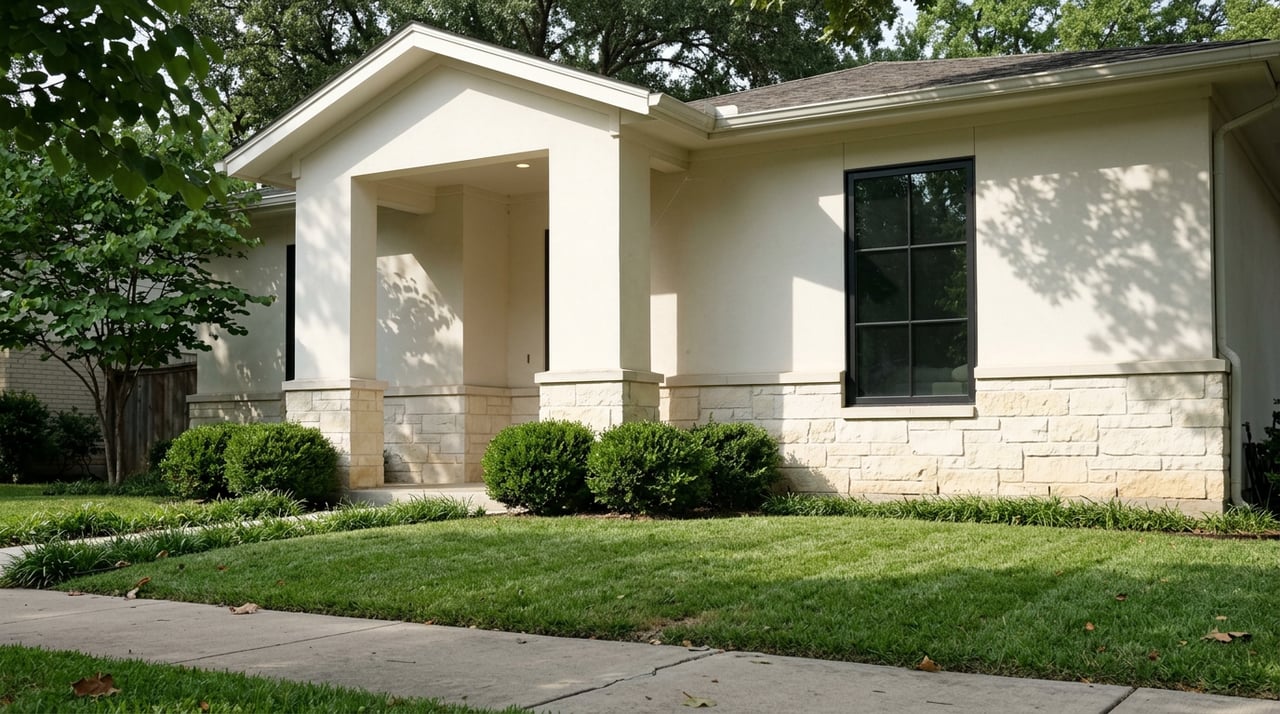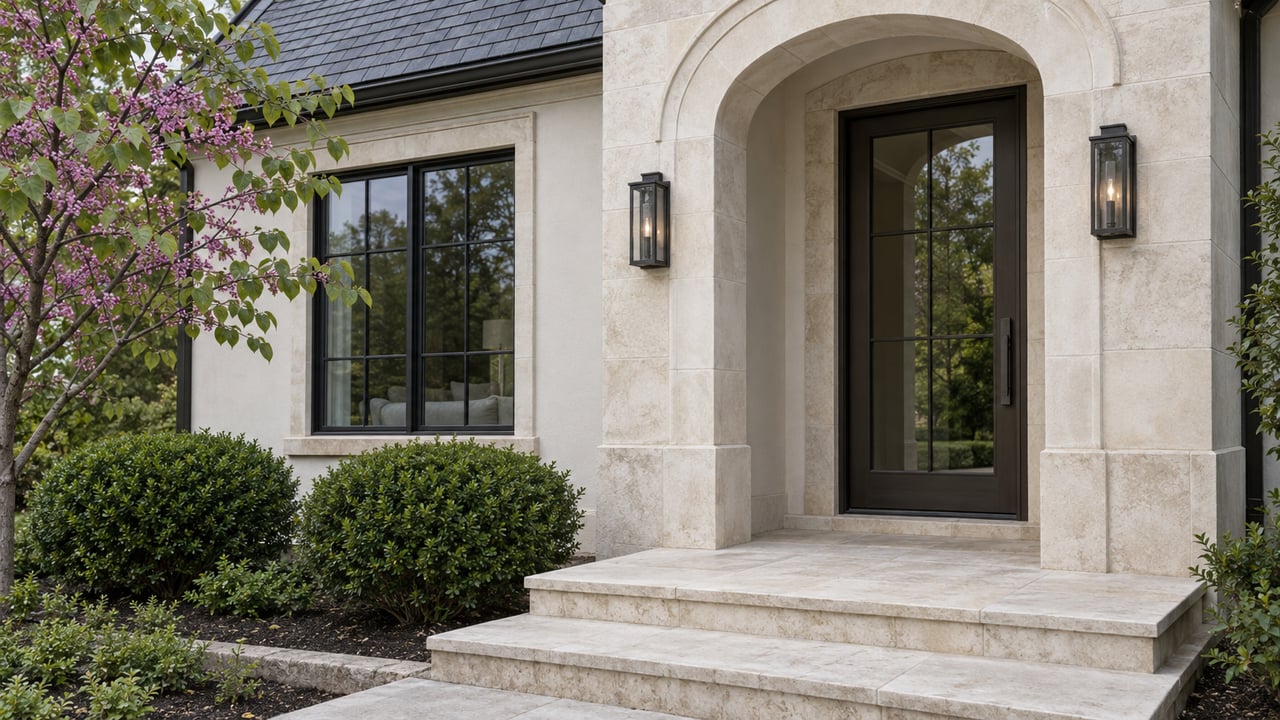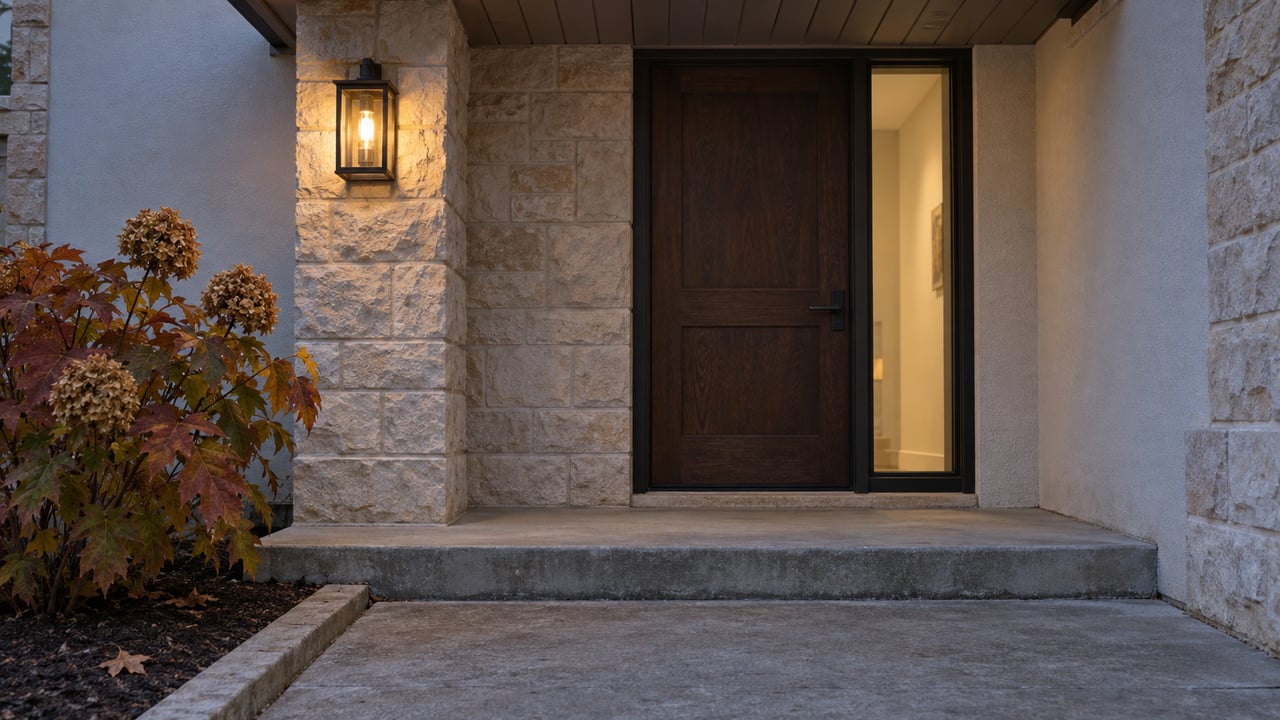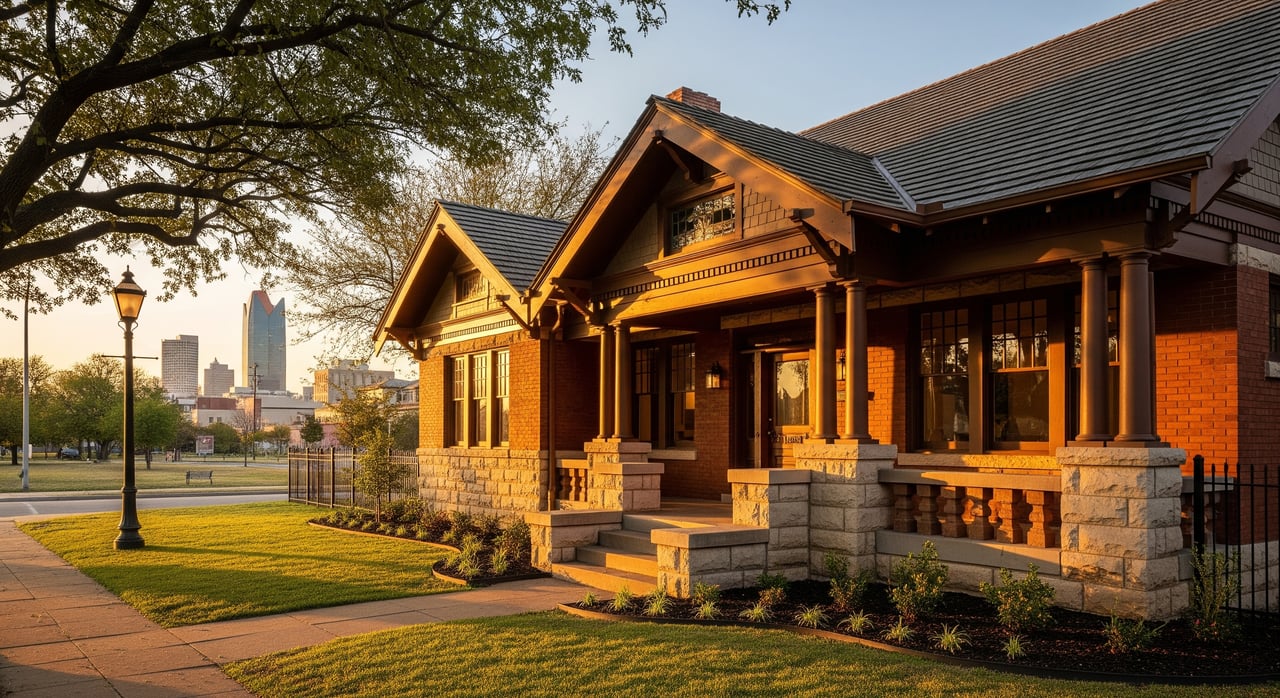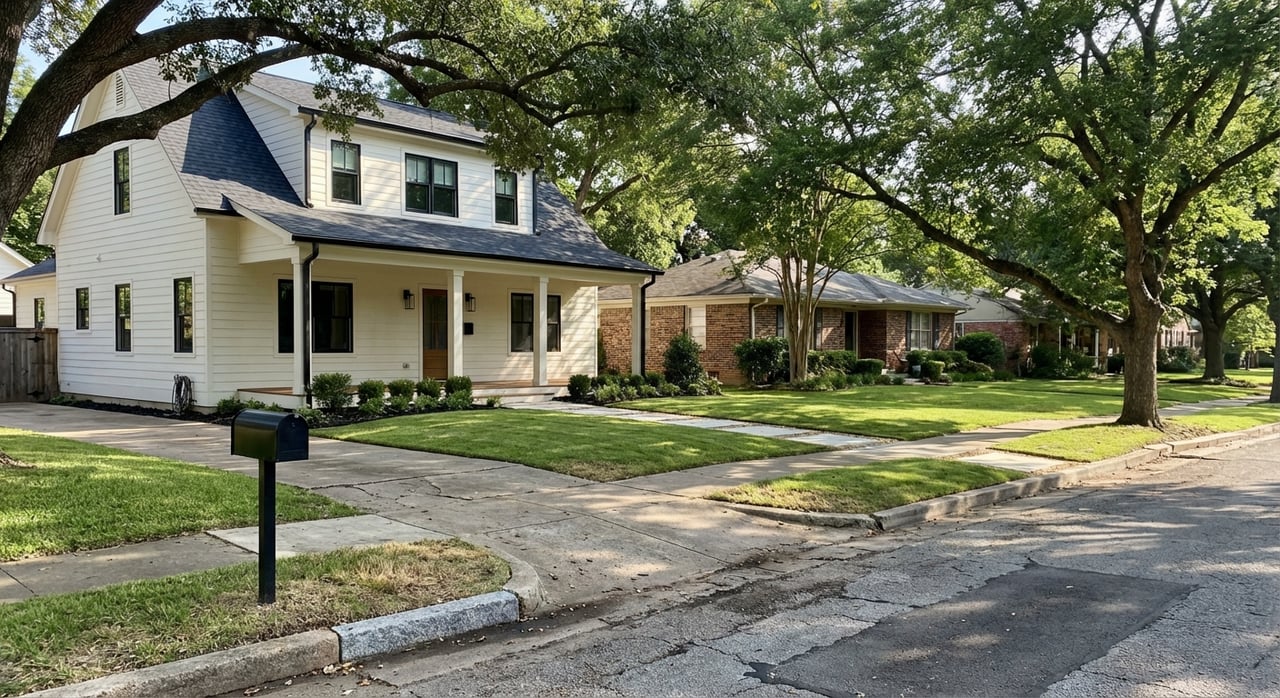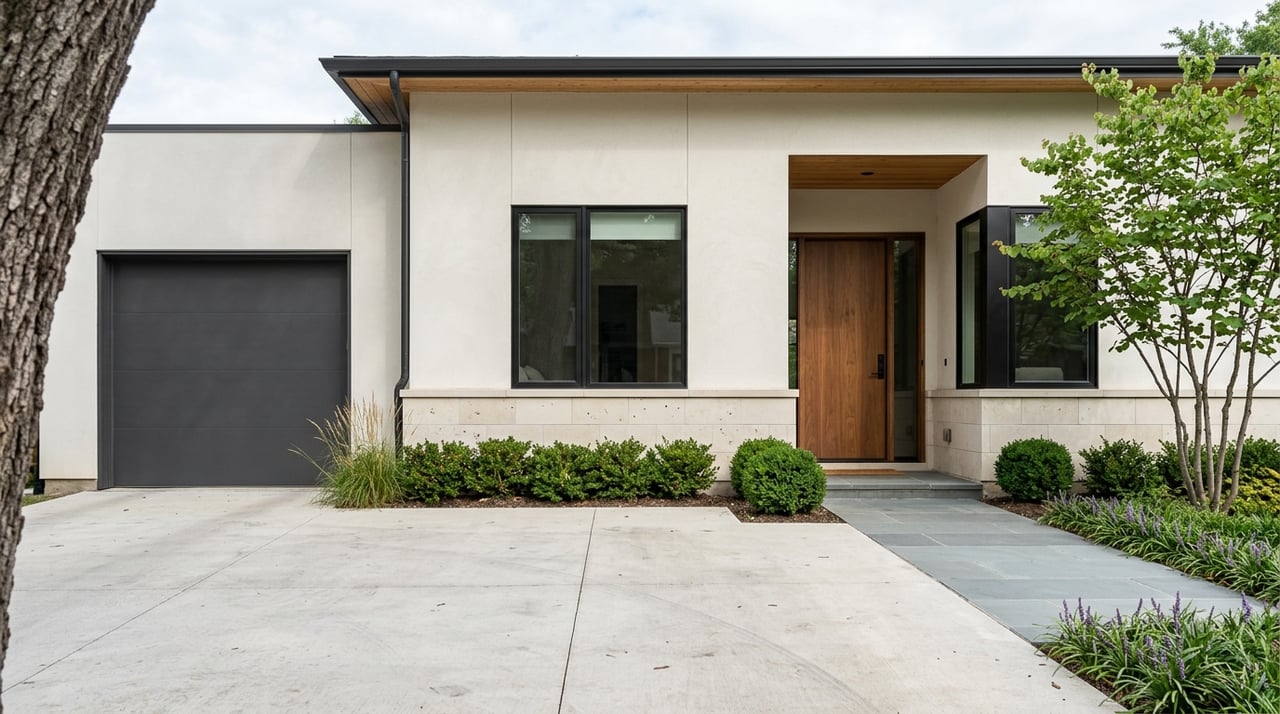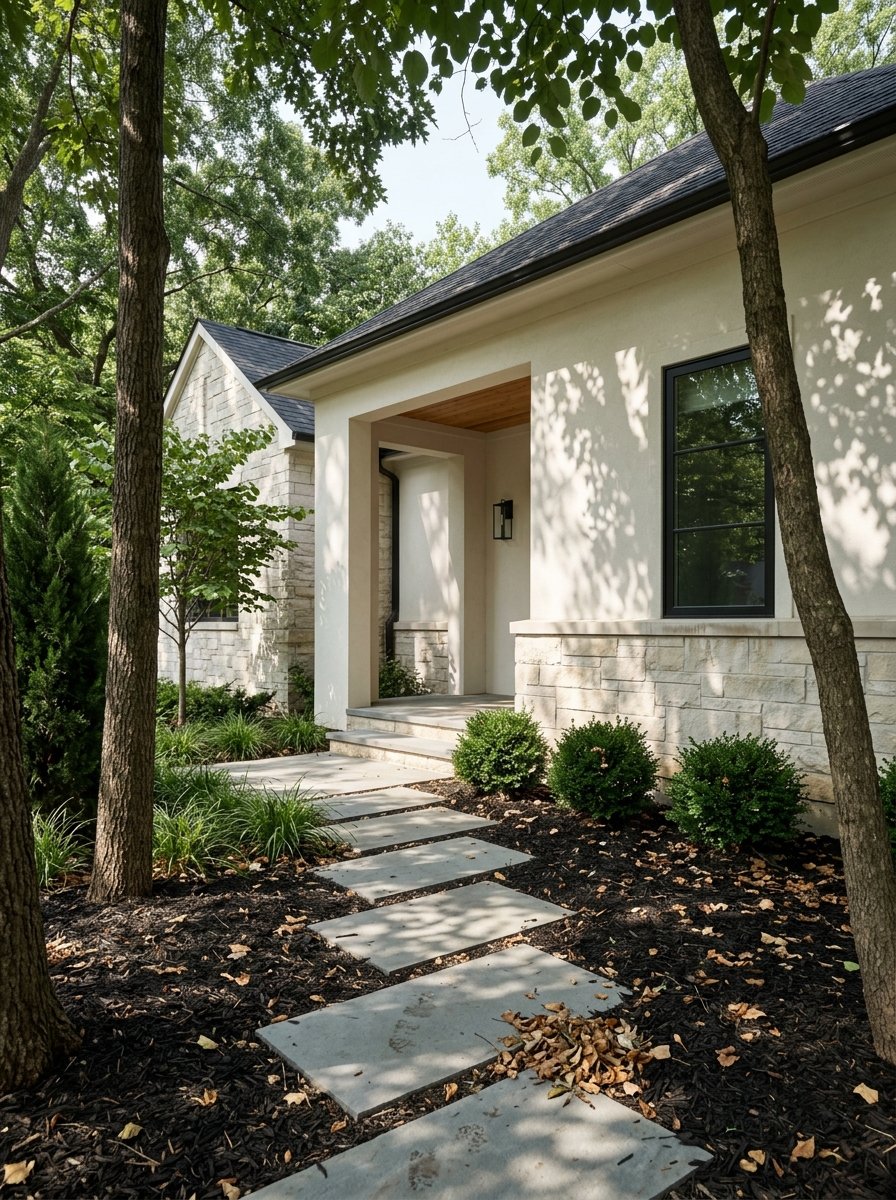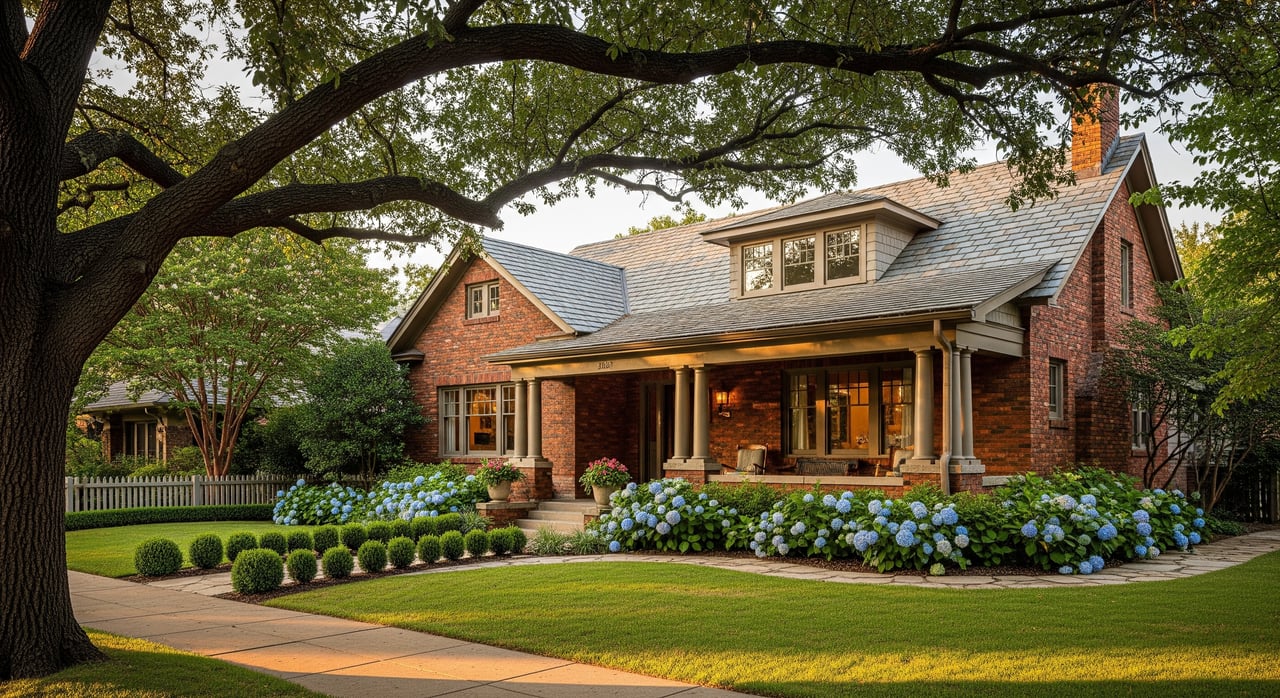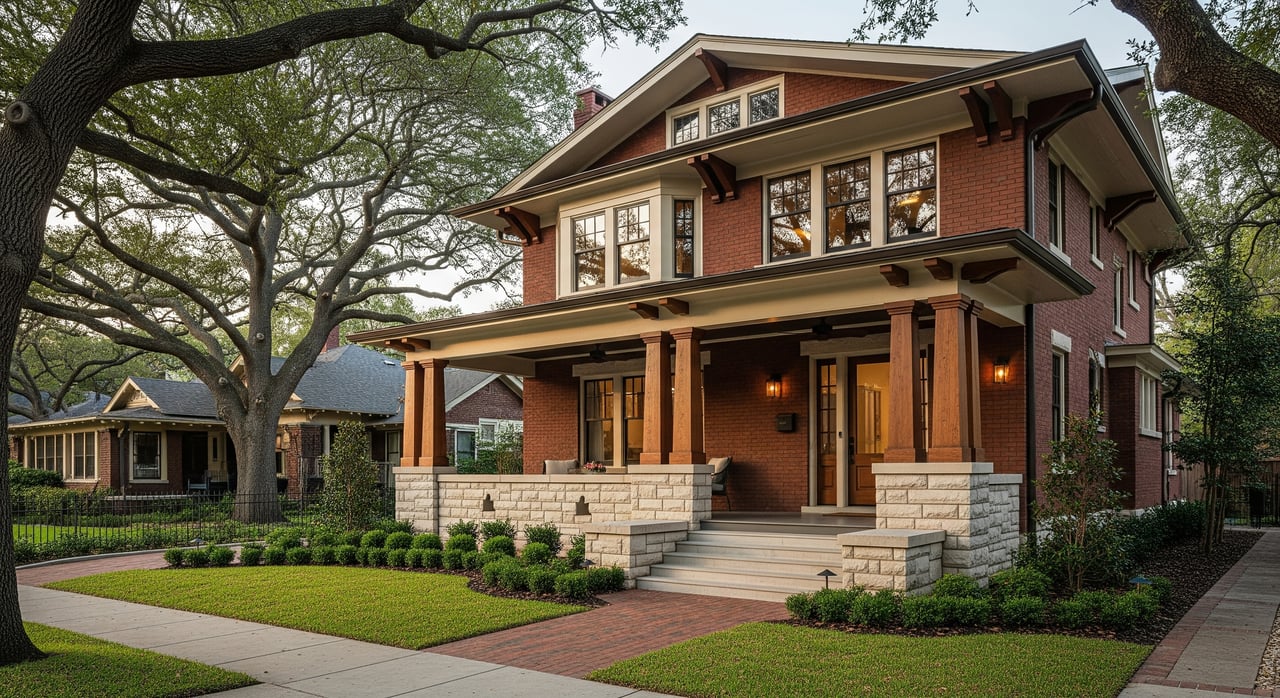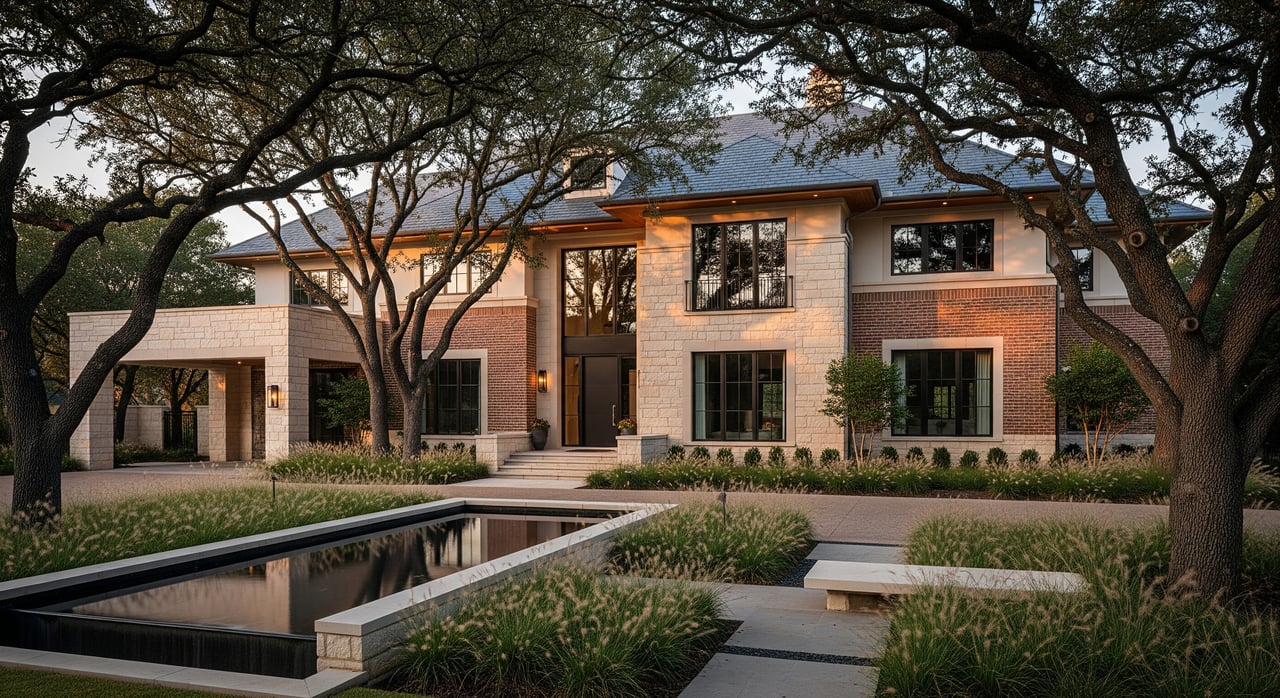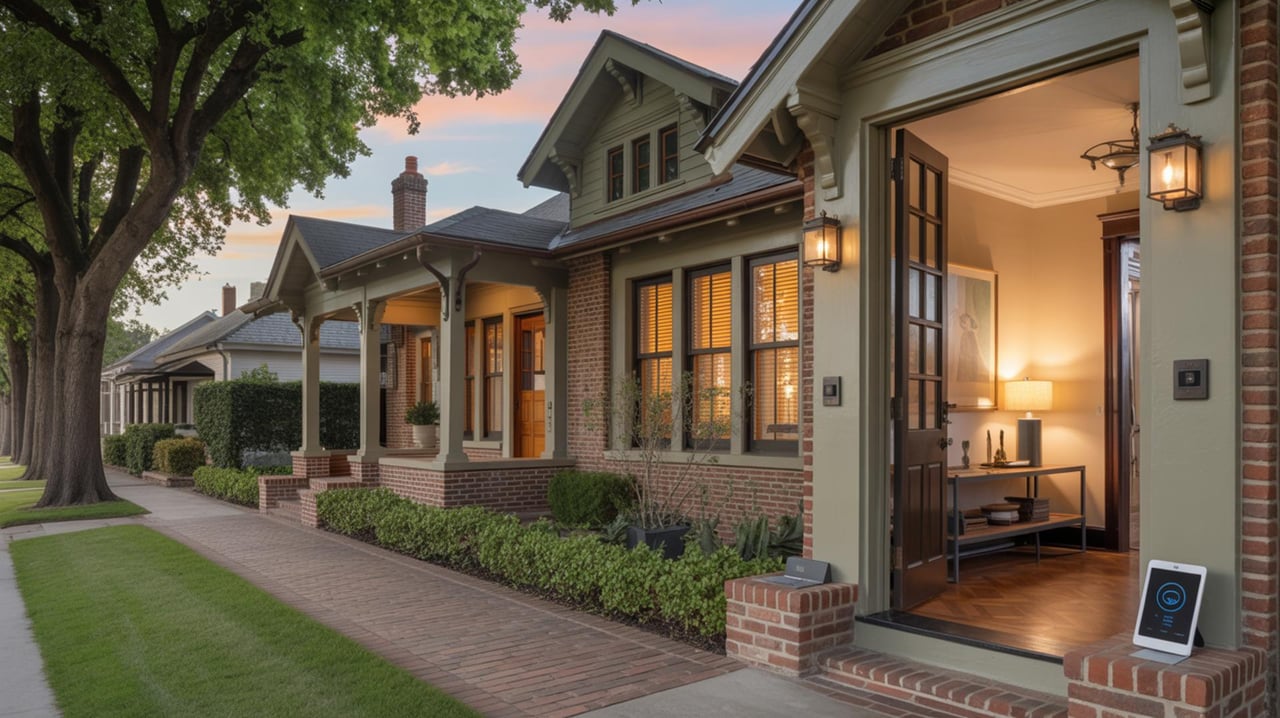
If you walk or drive through Edgemere Park, one thing becomes clear fast: this is not a one-style neighborhood. You are seeing a collection of homes from the 1920s and 1930s that share a historic setting but express it in very different ways. If you are thinking about buying in the area, understanding those architectural styles can help you notice what gives each home its character, what details may need extra care, and why the neighborhood feels so visually rich. Let’s dive in.
Why Edgemere Park Feels Cohesive
Edgemere Park is a historic preservation district in near northwest Oklahoma City, bounded by NW 36th Street, NW 30th Street, Robinson Avenue, and Walker Avenue. The district was planned as a residential area with roughly 300 houses on about 103 acres, with around 20 acres reserved for open space around Guy James Park and a Deep Fork tributary.
That larger layout matters when you tour homes here. Even though the neighborhood includes several architectural styles, the park-centered design and shared historic era give the area a strong sense of continuity. In other words, Edgemere Park feels connected not because every house looks the same, but because the homes were designed as part of a broader historic setting.
Most residences were built in the 1920s and 1930s, with few structures added after 1940. Tudor Revival is the dominant style, but Colonial Revival, Spanish Eclectic, and Art Moderne are also part of the neighborhood’s architectural mix.
Tudor Revival in Edgemere Park
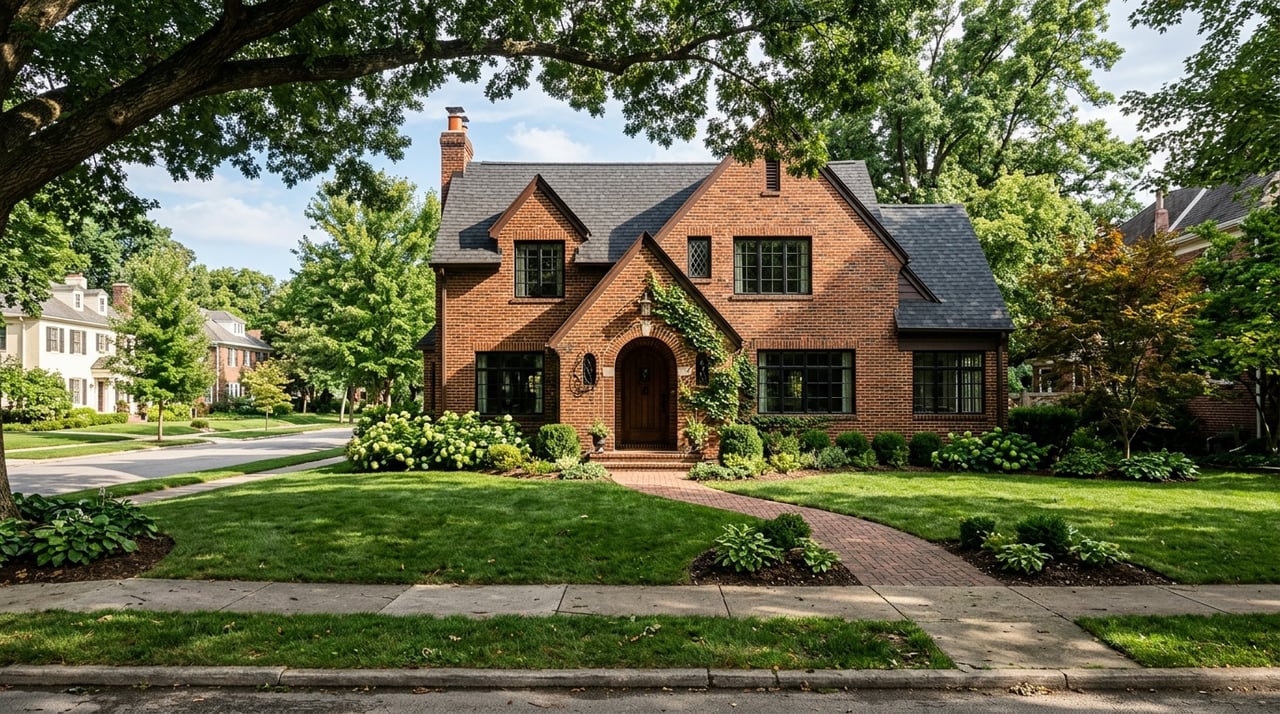
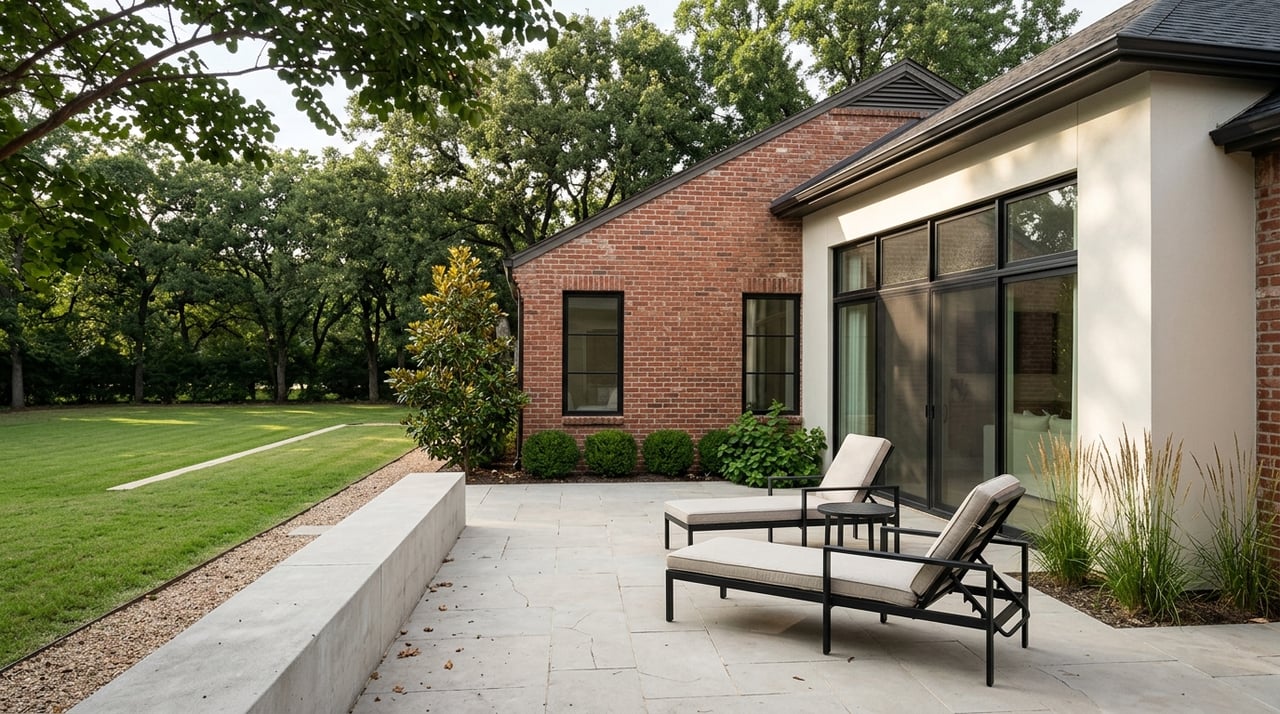
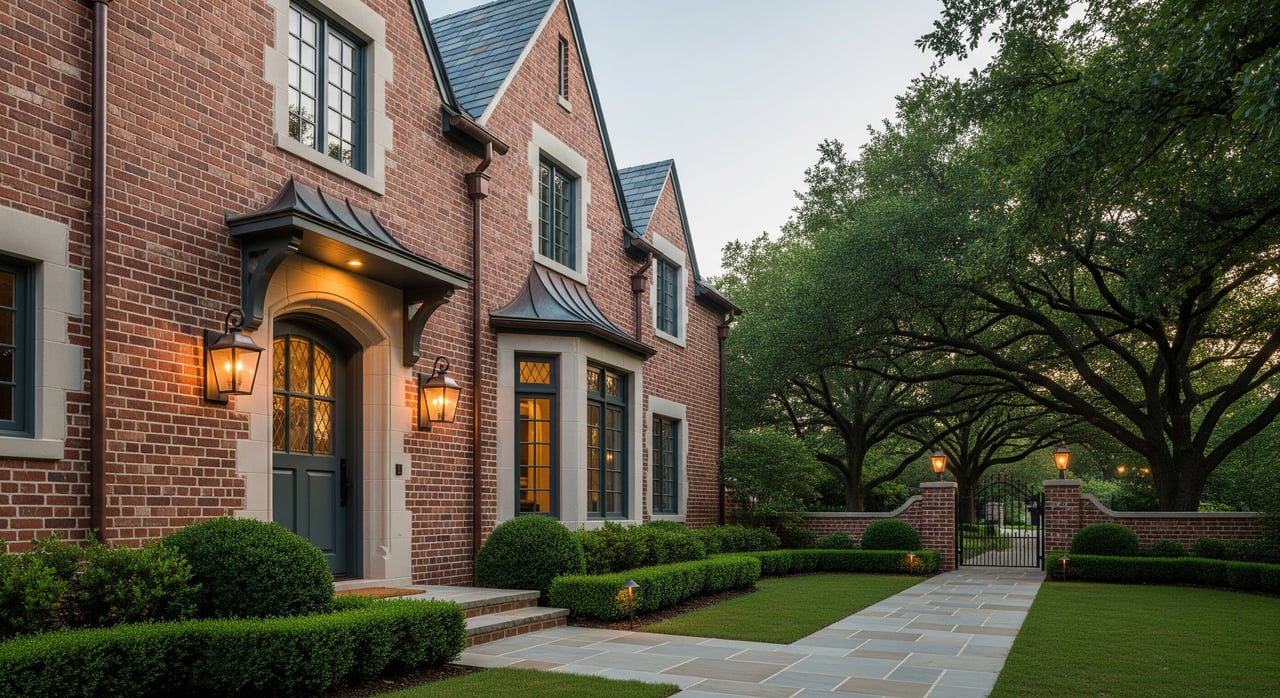
Tudor Revival is the style you are most likely to notice first in Edgemere Park. It often has steeply pitched gable roofs, asymmetrical shapes, decorative half-timbering, tall narrow casement windows, and prominent chimneys. Exterior materials may mix brick, stucco, stone, and wood, which adds to the layered look.
In person, Tudor Revival homes often feel picturesque and cozy rather than strict or formal. The irregular rooflines and varied materials give them a storybook quality that stands out on the street. That visual warmth is one reason the style remains so appealing to many buyers.
From a maintenance standpoint, Tudor homes can require careful attention because they often combine several materials and more complex roof geometry. Moisture management is especially important around roof edges, chimneys, and trim. If a home includes historic stucco, repairs should be handled with compatible materials and professional care, since water damage can accelerate deterioration.
What to Notice on a Tudor Home
- Steep front-facing gables
- Decorative half-timbering
- Tall, narrow windows
- Brick, stone, wood, or stucco used together
- Chimneys that act as a major design feature
Colonial Revival in Edgemere Park
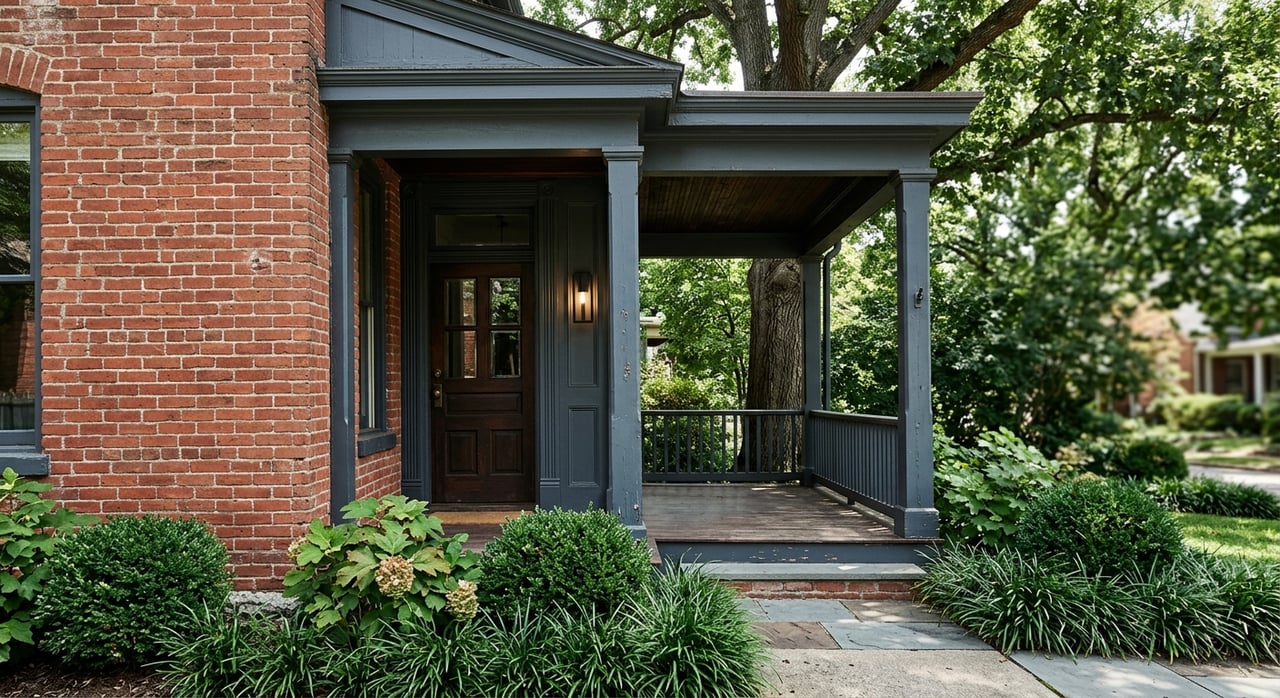
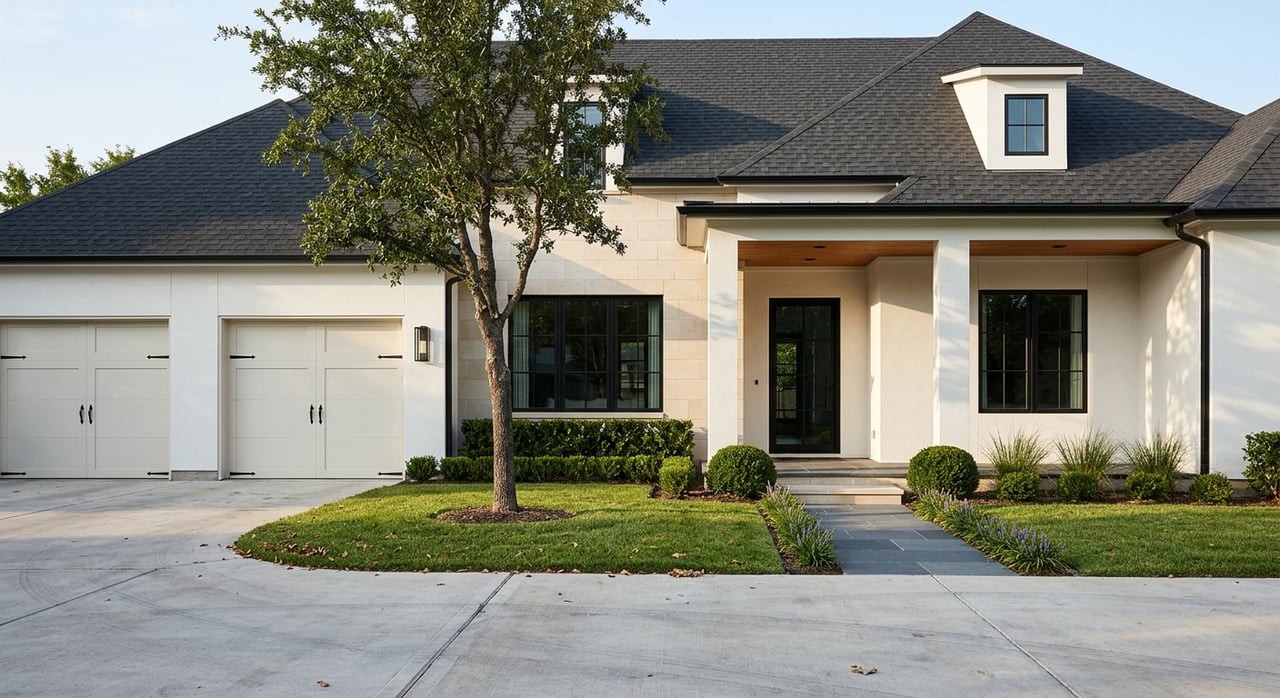
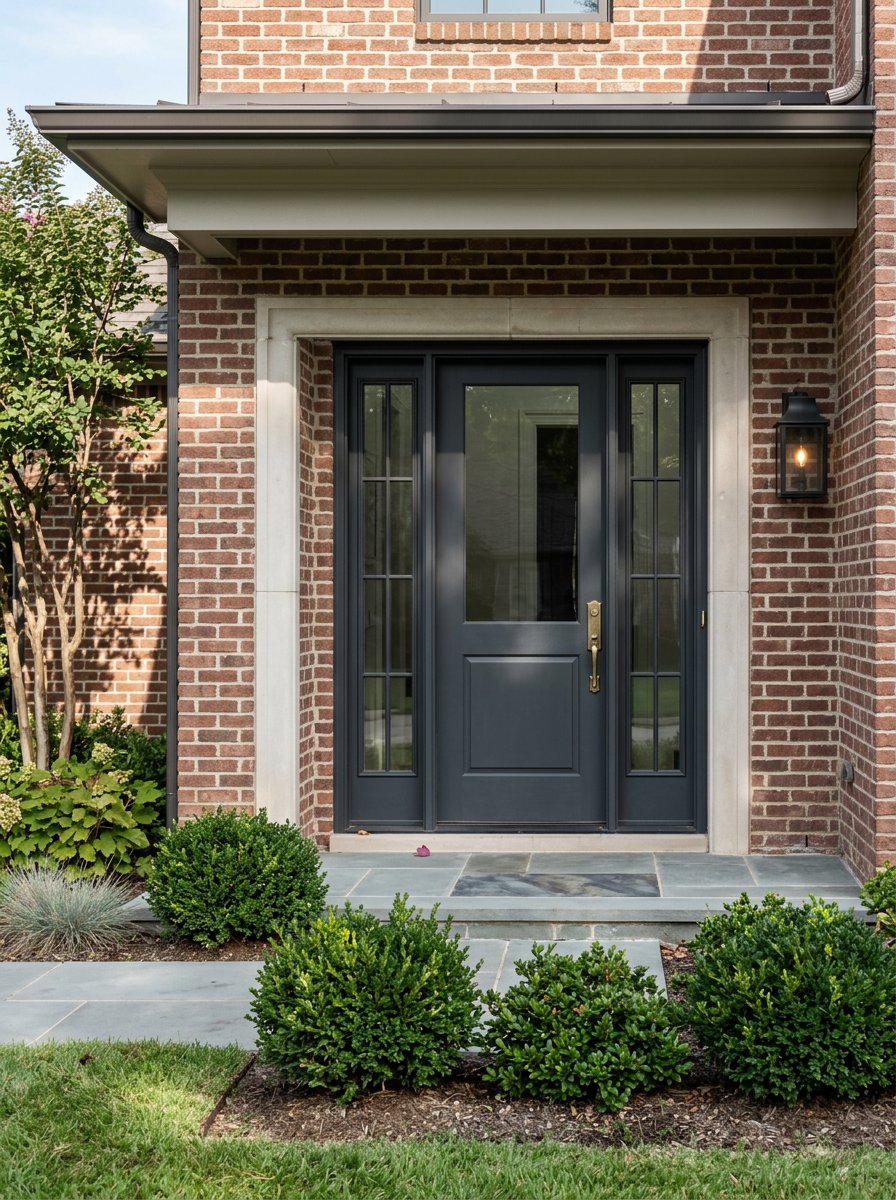
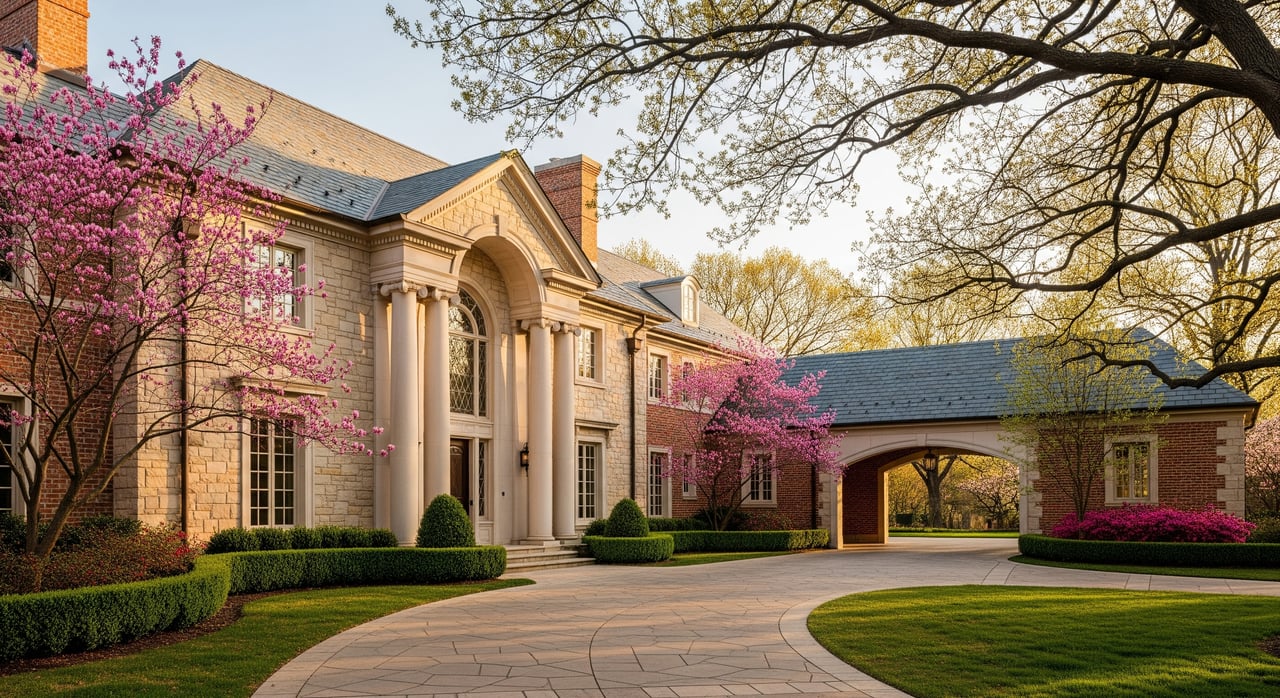
Colonial Revival homes usually look more balanced and formal than Tudor houses. Common features include symmetrical front façades, centered entrances, classical columns or pilasters, decorative entry trim, and windows with pedimented or gabled details. Some homes may also include fanlights, sidelights, or Palladian-inspired windows.
If Tudor Revival feels romantic, Colonial Revival tends to feel composed and orderly. Buyers who like a traditional streetscape often respond to the symmetry and clear entry focus. The overall effect is polished and classic without being overly ornate.
For upkeep, the details that often deserve the closest look are painted trim, porches, shutters, and original windows. In Oklahoma City historic preservation districts, window components such as sash, sill, and glazing are treated as repairable parts, and replacement proposals require detailed documentation. For buyers, that means a repair-first mindset is usually important when evaluating original features.
What to Notice on a Colonial Revival Home
- A centered front door
- Evenly spaced windows
- Columns or pilasters at the entry
- Decorative trim around porches and windows
- A more formal, balanced façade
Spanish Eclectic in Edgemere Park
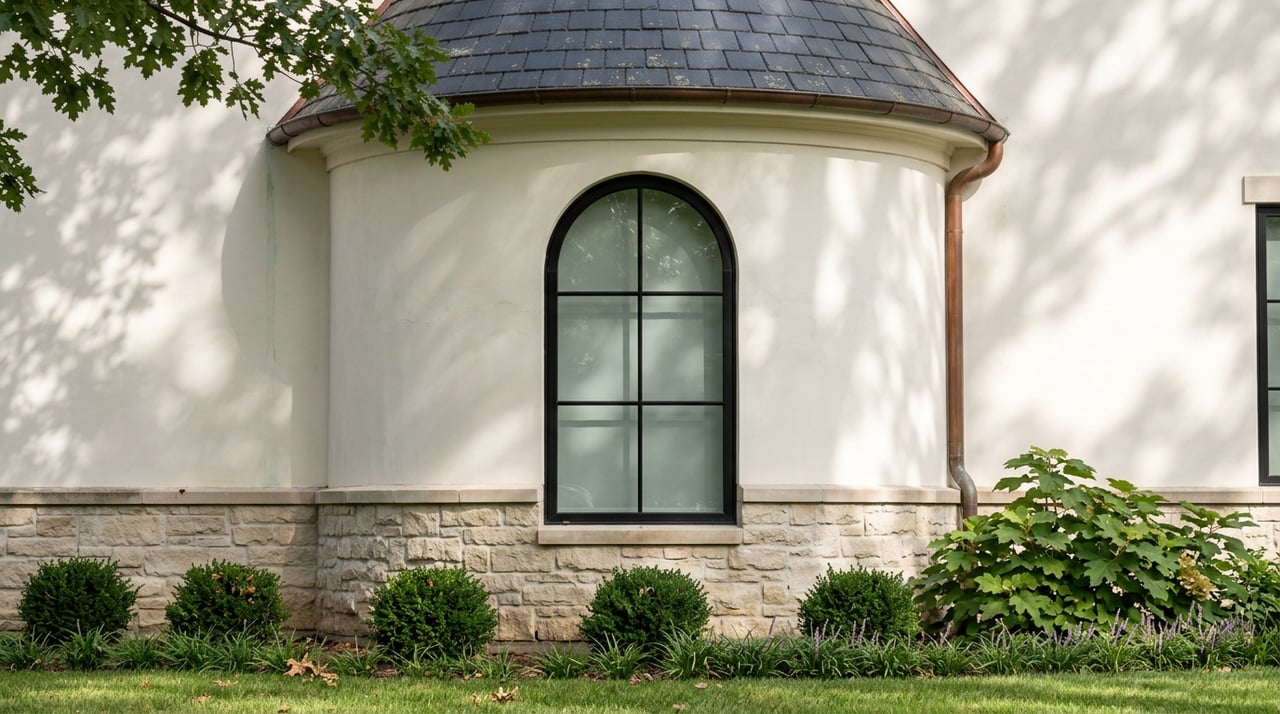
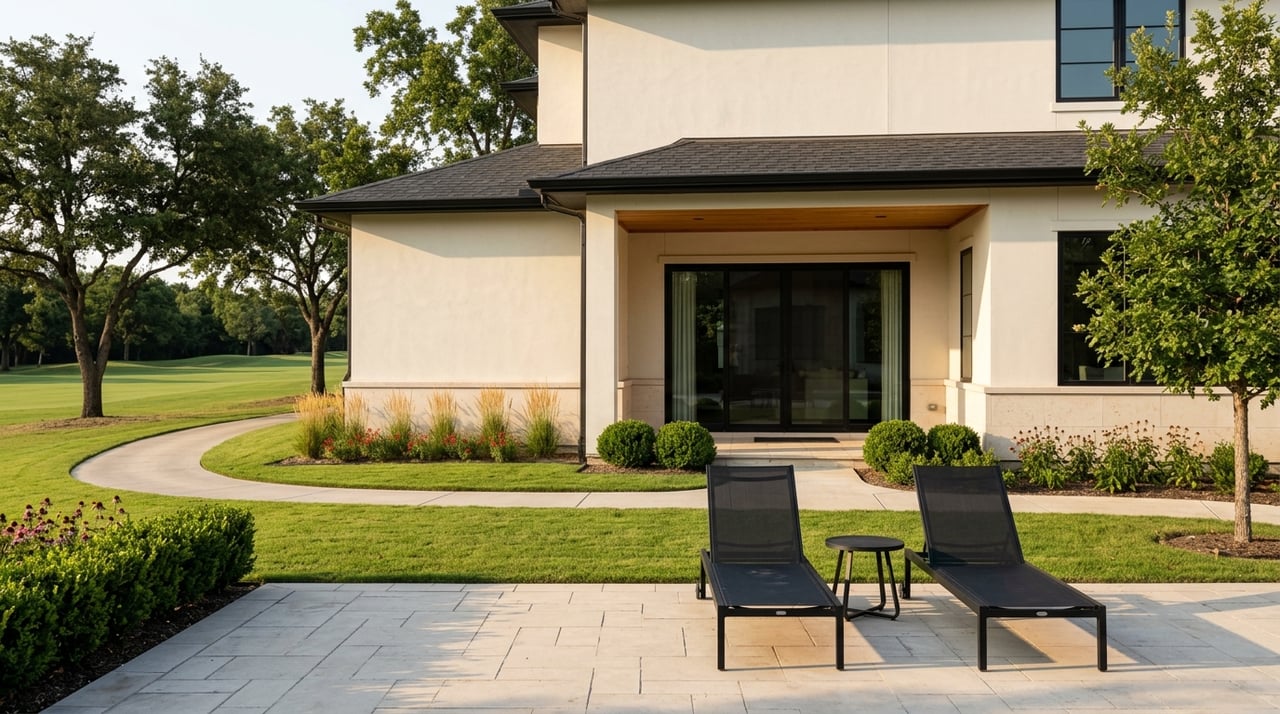
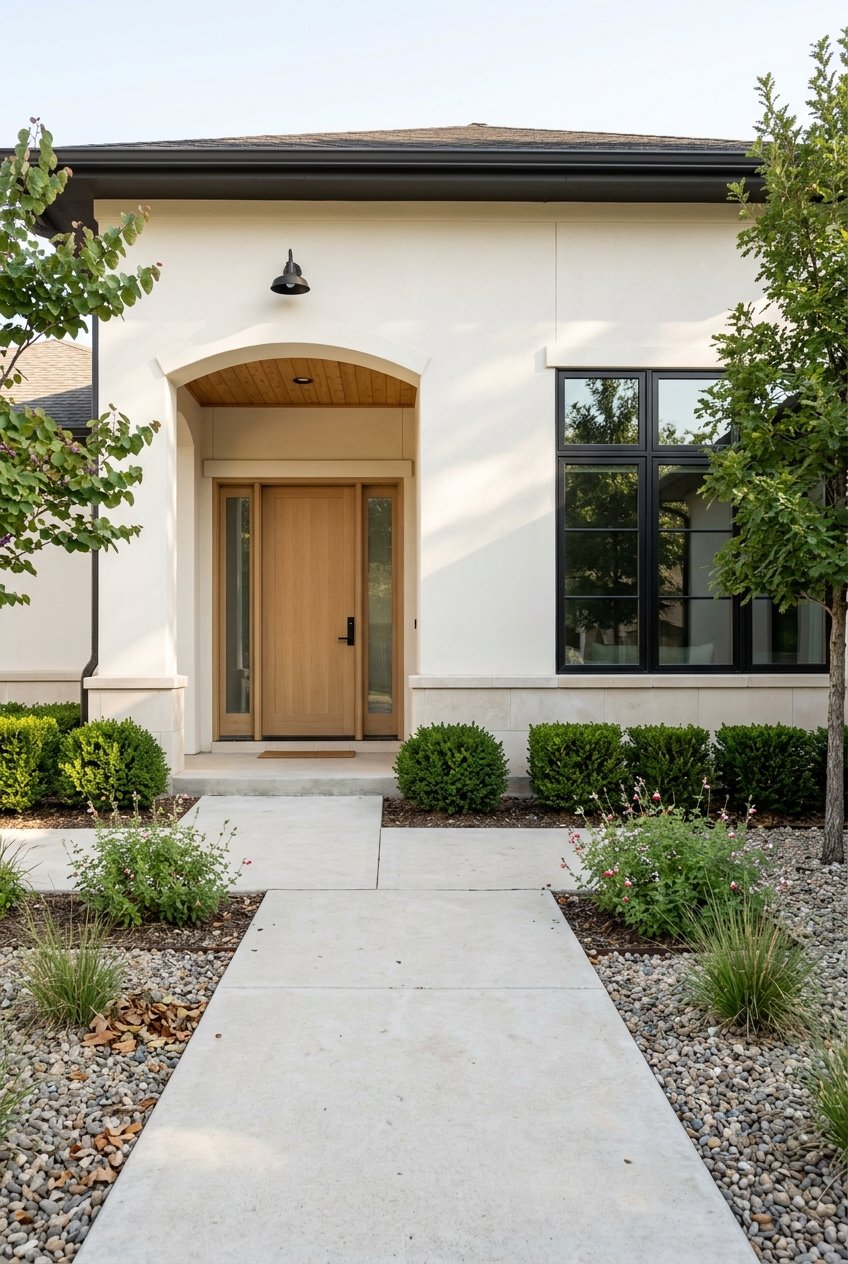
Spanish Eclectic brings a different kind of presence to the neighborhood. These homes often feature stucco exteriors, low-pitched clay-tile roofs or parapeted flat roofs, arched windows and doors, courtyards, loggias, arcades, terra-cotta ornament, and wrought-iron details.
This style often feels warmer and more outdoor-oriented than the others. Arched openings, courtyards, and shaded exterior spaces can make the home feel relaxed and textural, even when the structure itself is substantial. In a neighborhood with several revival-era styles, Spanish Eclectic adds a distinct Mediterranean influence.
Because stucco plays such a central role in this style, exterior condition matters a great deal. Historic stucco is especially vulnerable to water damage, and successful repair should match the older material in strength, texture, and color. Buyers should pay close attention to how walls, openings, and roof edges have been maintained over time.
What to Notice on a Spanish Eclectic Home
- Smooth stucco walls
- Arched doors or windows
- Clay tile roof elements or parapets
- Courtyard-style features
- Decorative wrought iron or terra-cotta accents
Art Moderne in Edgemere Park
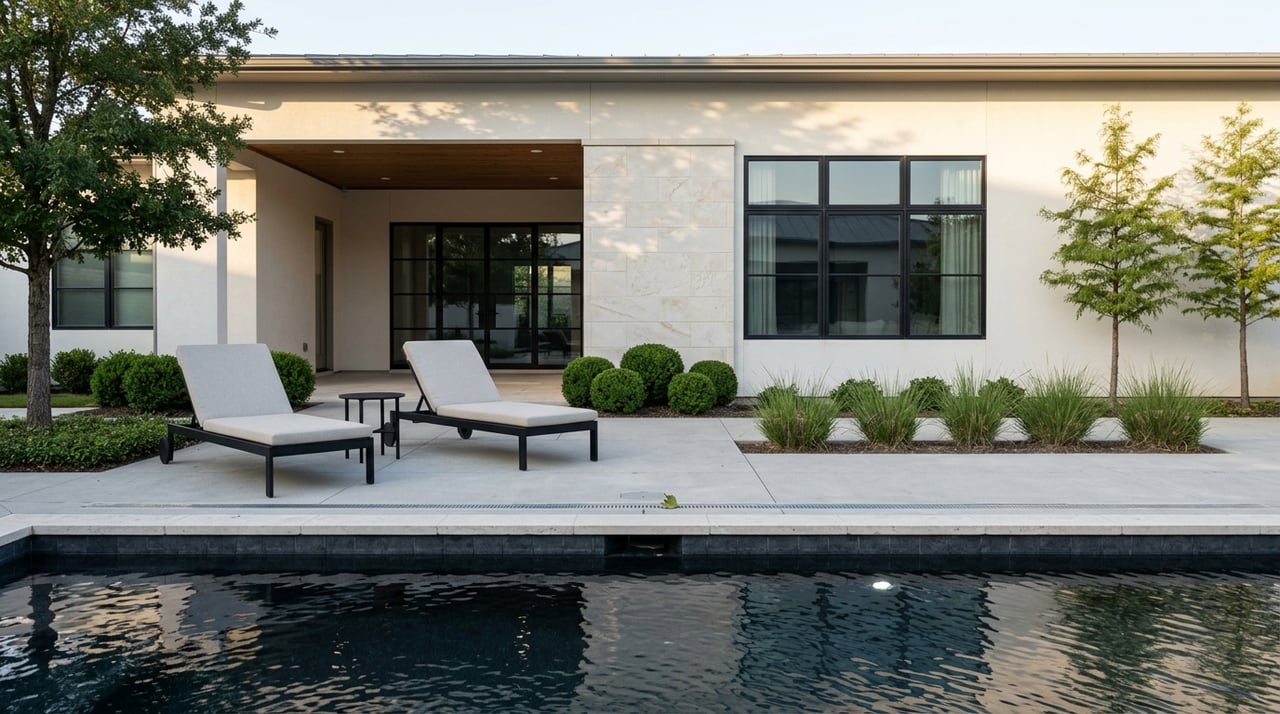
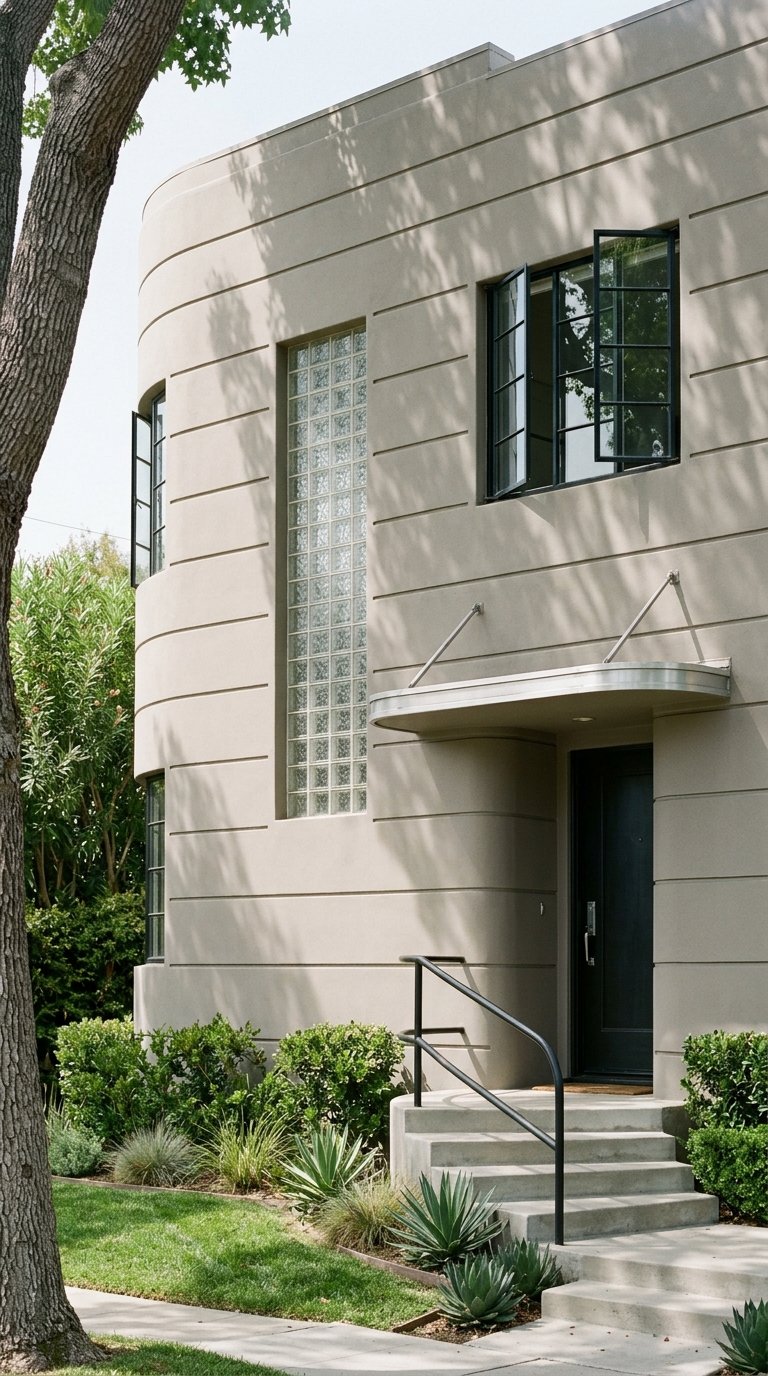
Art Moderne is less common in Edgemere Park than Tudor Revival, but it offers an important contrast to the neighborhood’s earlier revival styles. This 1930s and 1940s style is known for flat roofs, smooth wall surfaces, rounded corners, horizontal banding, long window runs, glass block, and metal railings.
Where Tudor and Colonial homes look back to older architectural traditions, Art Moderne feels sleek and forward-looking. It tends to minimize ornament and instead focuses on streamlined forms, curves, and horizontal emphasis. That cleaner look can feel surprisingly fresh in a historic district.
Maintenance here often centers on preserving the original shape and specialty details. Smooth wall surfaces, glass block, and metal railings all contribute to the style’s identity, so repairs should preserve those forms and materials whenever possible. A home does not need heavy decoration to be architecturally significant, and Art Moderne is a good example of that.
What to Notice on an Art Moderne Home
- Rounded corners
- Flat rooflines
- Horizontal lines or banding
- Glass block details
- Streamlined railings or minimal ornament
Comparing the Four Main Styles
If you are touring homes in Edgemere Park, it can help to think in terms of look, feel, and upkeep rather than trying to rank one style over another. Each style offers a different visual experience, and each comes with its own maintenance priorities.
| Style | Overall Look | Typical Feel | Key Upkeep Focus |
|---|---|---|---|
| Tudor Revival | Steep roofs, mixed materials, decorative chimneys | Picturesque and cozy | Roof edges, chimneys, trim, stucco where present |
| Colonial Revival | Symmetry, centered entry, classical details | Formal and orderly | Trim, porches, shutters, original windows |
| Spanish Eclectic | Stucco, arches, tile or parapet roofs | Warm and textural | Stucco condition, moisture control, compatible repairs |
| Art Moderne | Flat roofs, curves, smooth surfaces | Sleek and streamlined | Smooth wall finishes, glass block, metal railings |
What Buyers Should Look For
When you tour a historic home in Edgemere Park, one of the most useful questions is simple: what is original, and what has been replaced? Roof materials, porch components, windows, stucco texture, chimney details, and decorative metalwork often tell you a great deal about how well a home still expresses its original style.
That does not mean every home needs to be untouched to be appealing. It does mean thoughtful updates usually matter more in a historic district, especially when they preserve the home’s defining features. Well-matched repairs and compatible improvements tend to support both the look of the house and the feel of the streetscape.
You should also keep the district setting in mind. In Edgemere Park, the historic character comes not only from individual houses but also from the park space, creek corridor, and overall neighborhood plan. A home’s value and appeal are shaped by that broader context.
Historic District Rules Matter
If you are considering changes to a home’s visible exterior, it is important to know that Oklahoma City requires a Certificate of Approval for exterior changes, demolitions, and new construction in historic preservation districts. That means buyers should expect review steps before starting certain projects.
This is especially relevant if you are thinking about replacing windows, altering stucco, changing roof materials, or modifying visible architectural details. In practical terms, the best approach is usually to understand the home’s style first, then evaluate potential work through a preservation-minded lens. Repairing distinctive materials before replacing them is often the smarter path.
Why Architecture Matters When You Buy Here
In a neighborhood like Edgemere Park, architectural style is more than a label. It shapes how a house looks from the street, how it feels during a showing, and what kinds of upkeep may come with ownership. Knowing the difference between Tudor Revival, Colonial Revival, Spanish Eclectic, and Art Moderne can help you walk into a home with a sharper eye and better questions.
That kind of clarity matters whether you are buying your first historic home or comparing properties across central Oklahoma City. When you understand what you are seeing, you can make decisions with more confidence and appreciate the neighborhood for what it is: a planned historic district with a wide range of architecture tied together by setting, era, and design intent.
If you want help evaluating historic homes in Oklahoma City or building a smart strategy around your next move, Stetson Bentley offers local guidance with a consultative, client-first approach.
FAQs
What architectural styles are most common in Edgemere Park?
- Edgemere Park is known for Tudor Revival as the dominant style, along with Colonial Revival, Spanish Eclectic, and Art Moderne.
What makes Tudor Revival homes in Edgemere Park easy to spot?
- Tudor Revival homes often feature steep gable roofs, decorative half-timbering, mixed exterior materials, tall narrow windows, and prominent chimneys.
What should buyers know about maintaining a Spanish Eclectic home in Edgemere Park?
- Buyers should pay close attention to historic stucco, roof edges, and moisture control, since compatible stucco repairs are especially important for this style.
What should buyers know about historic district rules in Edgemere Park?
- In Oklahoma City historic preservation districts, exterior changes, demolitions, and new construction require a Certificate of Approval, so visible exterior work may need review before it begins.
Why does Edgemere Park feel cohesive even with several home styles?
- The neighborhood was planned as a historic residential district centered around park space and a creek corridor, so the setting helps unify homes that vary in size and style.