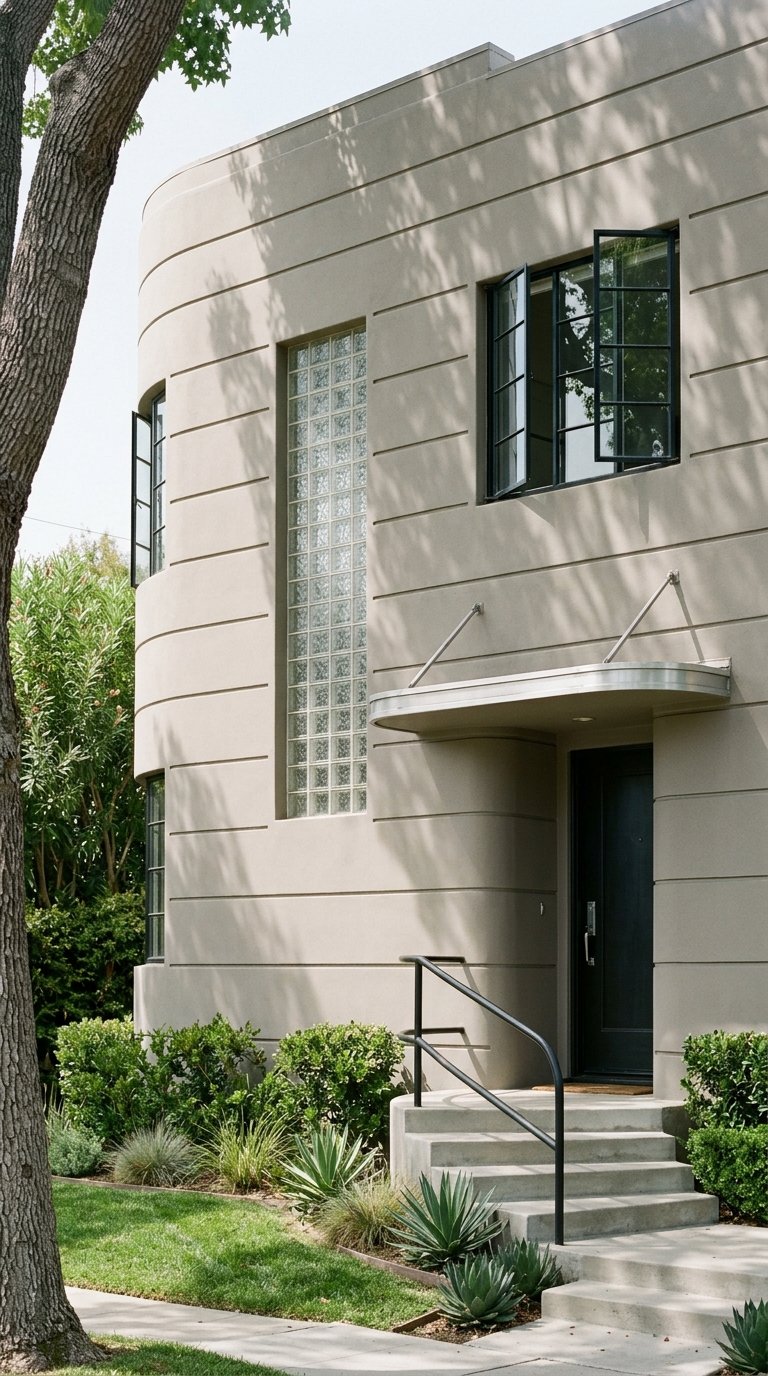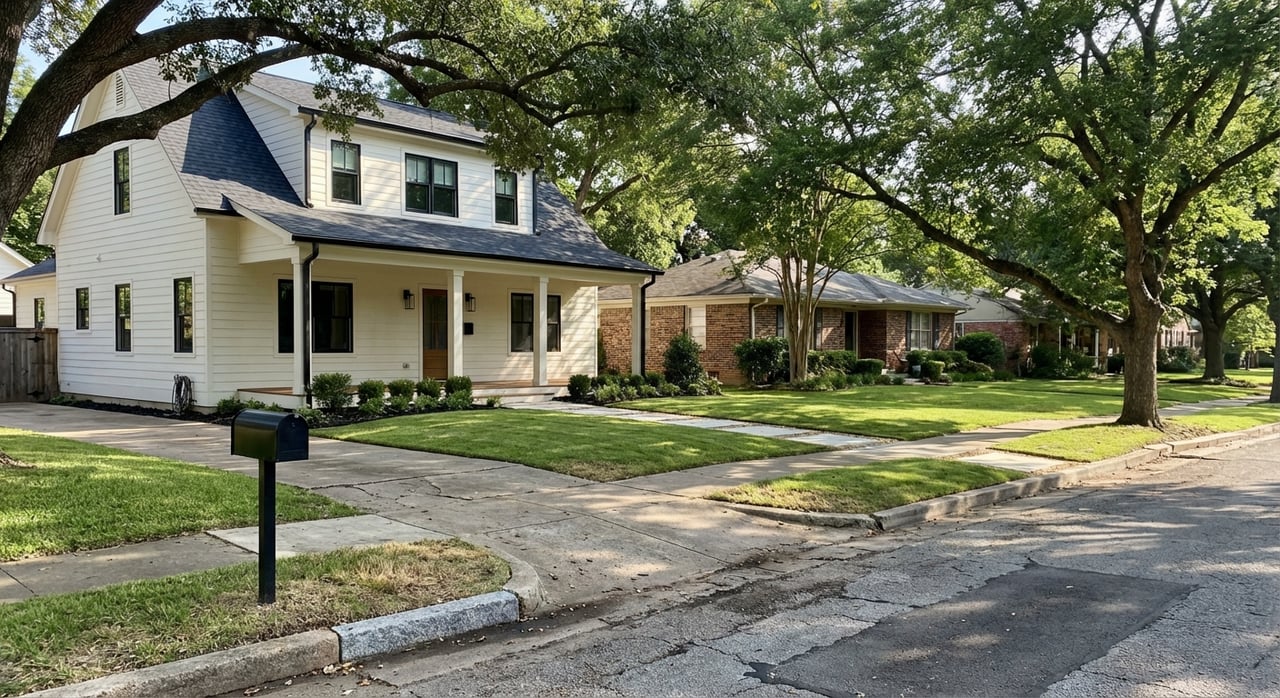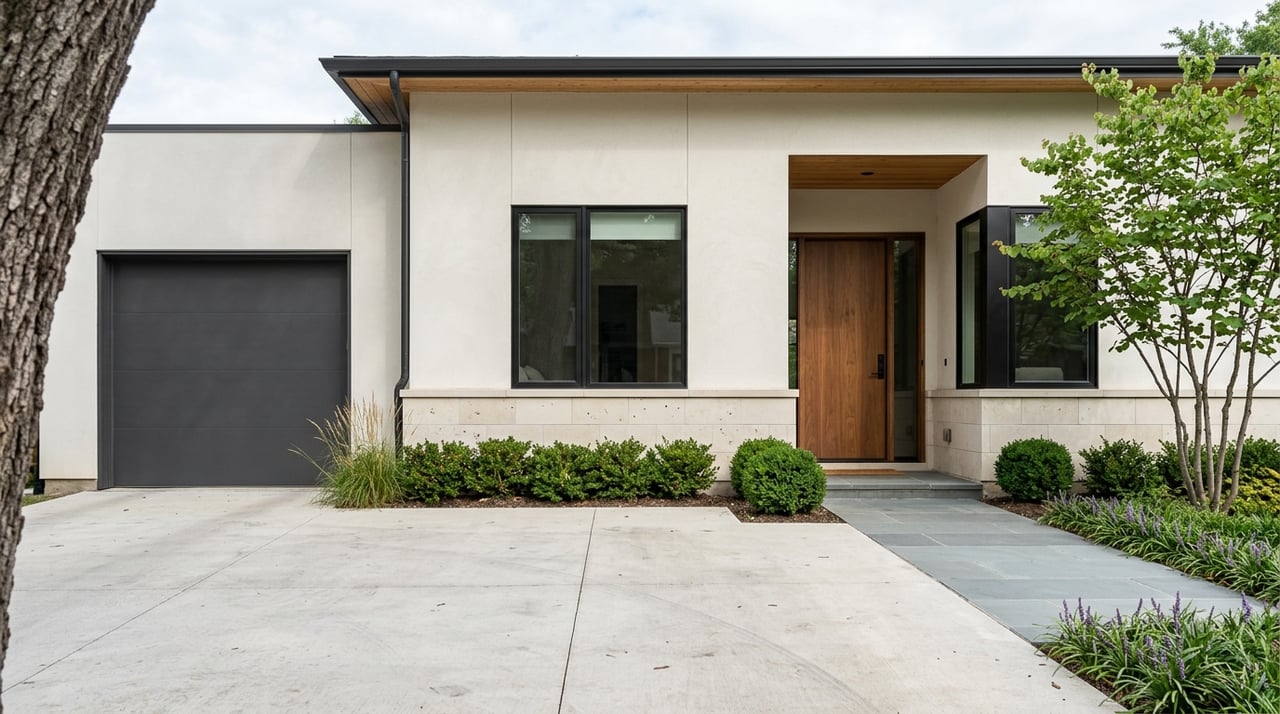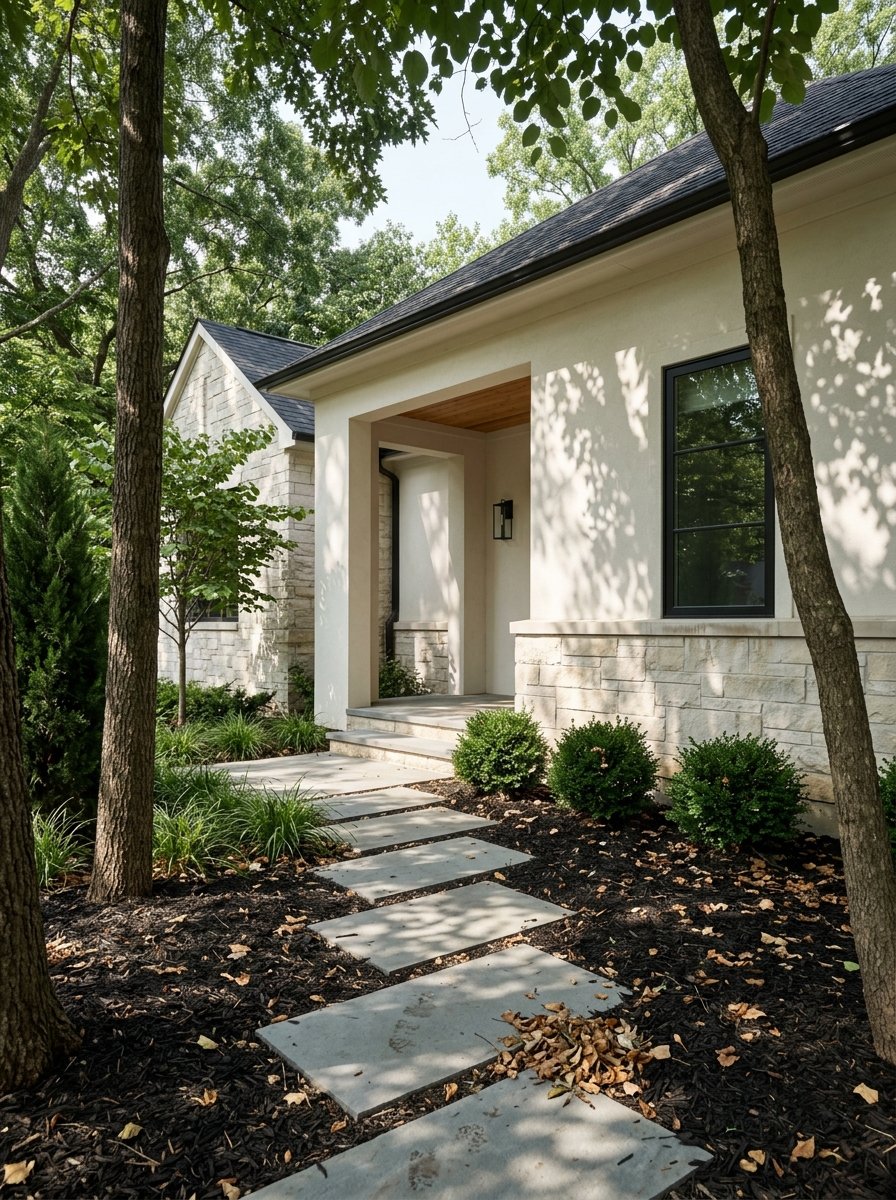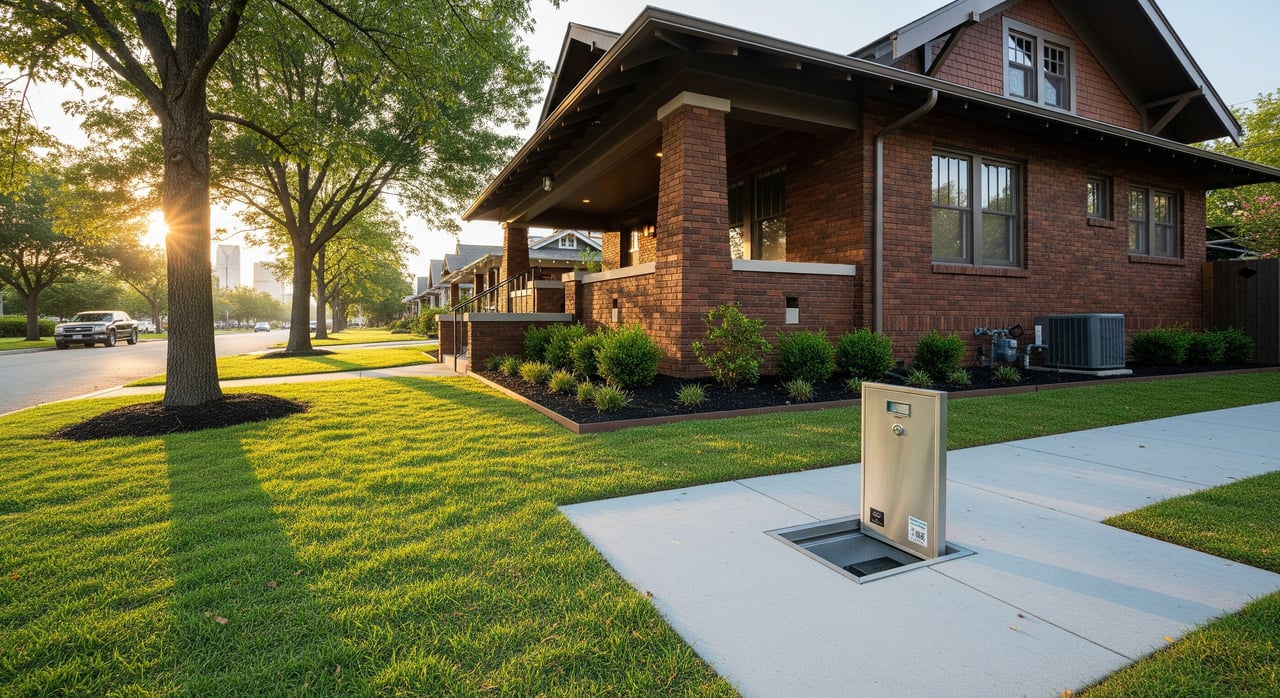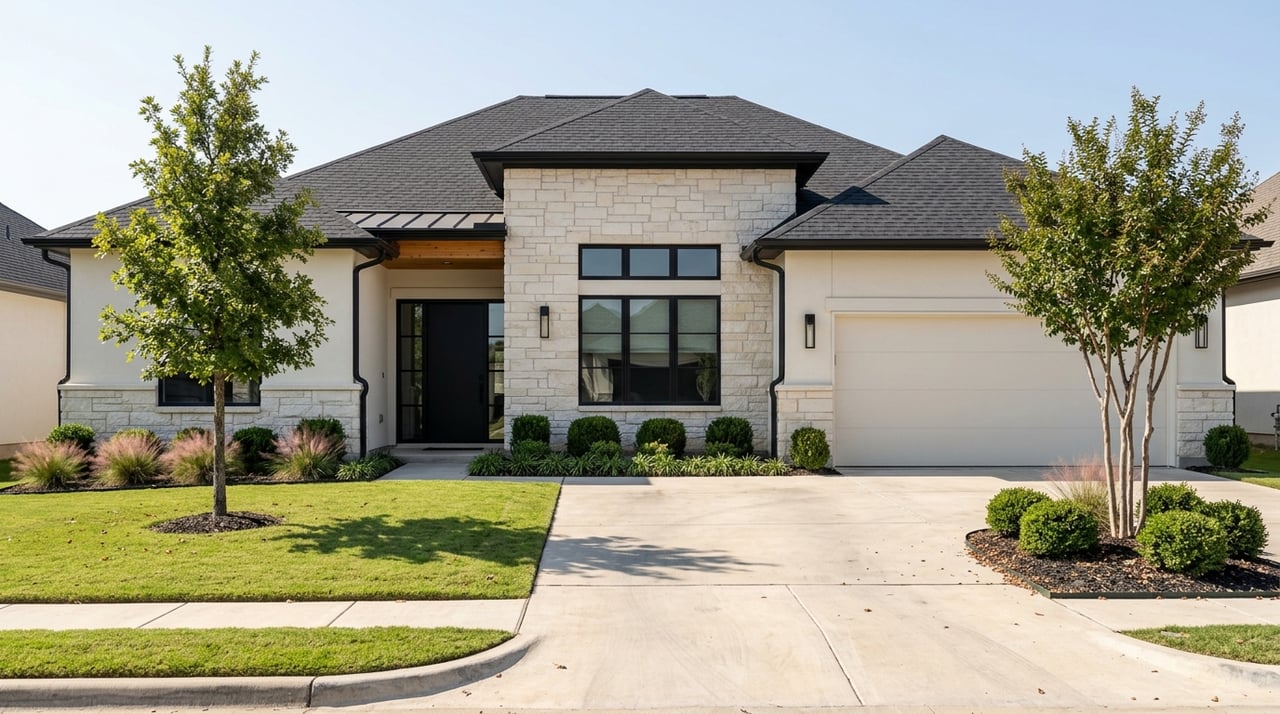
Buying your first home can feel like a huge leap, especially when you are trying to figure out price, financing, inspections, and timing all at once. If The Village is on your radar, you are probably looking for a central Oklahoma City area location with established homes and a range of price points. The good news is that this small city offers options for different budgets, and the process becomes much more manageable when you know what to expect. Let’s walk through how to buy your first home in The Village with confidence.
Understand The Village market
The Village is its own city in the north Oklahoma City metro, not just a neighborhood label. It covers about 2.57 square miles, sits roughly 8 miles from downtown Oklahoma City, and is bordered by Oklahoma City on three sides and Nichols Hills on the south. It also has its own police and fire departments, which highlights that you are buying in a distinct municipality.
For many first-time buyers, The Village stands out because it offers an inner-metro location with relatively short drives. Census-based data shows an average commute time of 18.7 minutes, along with 9,538 residents and about 5,117 housing units. That mix can appeal to buyers who want an established area close to the center of the metro.
Current pricing suggests a market that is active but not impossible to enter. Census data puts the median owner-occupied value at $211,800, while Zillow’s home value estimate is close at $212,845. Market trackers also show median sale or sold prices in the low-$200,000s, with homes generally spending between 36 and 43 days on the market depending on the source.
Know the price ranges
One of the biggest mistakes first-time buyers make is assuming one city has one price point. In The Village, prices can vary quite a bit depending on the pocket, condition of the home, and level of updates. That makes local comparison especially important before you decide what feels affordable.
Realtor.com neighborhood medians show how broad the range can be. Some entry-level pockets are around the mid-$100,000s, many conventional homes land in the low-$200,000s, and premium pockets can rise into the high-$400,000s and $500,000s. In practical terms, that means The Village may offer both starter-home opportunities and higher-end options within the same small city.
Here is a simple way to think about the local spread:
- Entry-level pockets: roughly mid-$100,000s
- Many conventional homes: low-$200,000s
- Premium pockets: high-$400,000s to $500,000s
Start with preapproval
If you are serious about buying your first home in The Village, preapproval should come first. A preapproval is a lender’s tentative willingness to lend up to a certain amount, and it gives you a more realistic target before you start touring homes. It also helps you move faster when you find a home you want.
Once you submit a complete application, the lender must provide a Loan Estimate within three business days. That makes it smart to compare at least one or two Loan Estimates before you write an offer. Looking at interest rate, closing costs, and monthly payment side by side can save you money and help you avoid surprises.
If you are eligible, you may also want to explore assistance options. OHFA says eligible borrowers can receive up to 3.5% of the total loan amount for down payment and closing costs, with basic requirements that include a minimum credit score of 640, income at or below $150,000, and a debt-to-income ratio at or below 45%.
Veterans and eligible service members should also compare VA-backed financing. VA says many borrowers can buy with no down payment, and nearly 90% of VA-backed loans are made with no down payment. For the right buyer, that can significantly change what is possible.
Build a budget beyond the mortgage
Your first-home budget should include more than the monthly principal and interest payment. You also need to account for cash to close, inspection costs, possible early repairs, and ongoing utilities. In a place like The Village, where housing stock is older and price points vary, these details matter.
A smart first-time buyer budget often includes:
- Down payment
- Closing costs
- Inspection expenses
- Moving costs
- Utility setup and monthly utility differences
- Immediate repairs or maintenance
- A reserve fund after closing
Local utility setup is another detail worth planning for. The Village says water is provided by Oklahoma City, sewer by The Village, and electric by OG&E. Even if two homes have similar sale prices, their operating costs may not feel the same month to month.
Pay attention to older-home details
The Village traces back to a 1949 land purchase and became a city in 1959. While that history does not tell you the exact age of every house, it does signal that you are shopping in an established market rather than a brand-new subdivision. That often means a wider mix of updates, lot sizes, and construction eras.
For a first-time buyer, that makes inspections especially important. An independent home inspector who works for you can help you understand the condition of the property before closing. Buyers should also consider an inspection clause in the offer so there is room to negotiate repairs or reconsider the purchase if major issues come up.
In an established area like The Village, some of the most important items to review include:
- Roof age and condition
- HVAC performance and age
- Plumbing updates
- Electrical updates
- Drainage around the home
- Foundation condition
These issues do not mean you should avoid older homes. They simply mean you should go in with clear information and a plan.
Tour homes with local context
When you start touring homes, avoid judging everything by citywide averages alone. The Village is small, but pricing and condition can still shift from one pocket to another. Looking at neighborhood medians, renovation level, and lot characteristics can give you a clearer picture of value.
This is where a local, Village-focused buying strategy matters. Two homes with similar square footage may feel very different in price depending on updates, location within the city, and how much work is needed after move-in. Side-by-side comparisons help you avoid overpaying or underestimating the cost of improvements.
Make a smart first offer
The Village market appears active and still negotiable. Redfin reports a 97.8% sale-to-list ratio, while homes are not disappearing instantly in every case. That can give first-time buyers a little room to negotiate, but it is still important to come in prepared.
A strong first offer usually includes a realistic price, financing terms that match your preapproval, and inspection protections. If the home has older systems or deferred maintenance, your negotiation strategy may also need to account for potential repair requests or seller concessions. Being organized matters just as much as being aggressive.
Track the closing timeline carefully
After your offer is accepted, timing becomes very important. Your lender must provide a Closing Disclosure at least three business days before closing. That waiting period gives you time to review the final numbers and compare them to your earlier Loan Estimate.
Rate locks are also commonly 30, 45, or 60 days. Even in a market with moderate days on market, financing deadlines can feel tight once you are under contract. Staying responsive with your lender, inspector, and agent helps keep the process on track.
Plan for closing costs and taxes
One of the most common first-time buyer surprises is that cash to close is not just the down payment. In Oklahoma, documentary stamp tax applies to most deeds conveying real estate sold for consideration over $100. The tax rate is $0.75 per $500 or fraction thereof, and the county clerk handles the stamps when the deed is filed.
That is why your full closing budget should include lender fees, title and settlement charges, prepaid items, and taxes tied to the transaction. Understanding those costs early can help you avoid last-minute stress.
Don’t forget your homestead exemption
After closing, take one more important step if the home will be your primary residence. Oklahoma’s homestead exemption removes $1,000 of assessed valuation from a primary residence. That may help reduce your property tax burden over time.
In The Village, you would watch the Oklahoma County Assessor for this filing. The application generally needs to be filed by March 15 or within 30 days of a valuation-increase notice. It is a simple step, but it is one many first-time owners overlook during the move.
A simple first-time buyer plan
If you want a practical roadmap, here is a straightforward way to approach your first purchase in The Village:
- Get preapproved and compare Loan Estimates.
- Set a full budget that includes closing costs, repairs, and utilities.
- Tour homes carefully and compare pockets within The Village.
- Use inspection protections and review condition closely.
- Review your Closing Disclosure during the three-business-day period.
- Plan for taxes and fees at closing.
- File for homestead exemption after move-in if eligible.
Why local guidance matters
For a first-time buyer, The Village can be a smart place to focus because it combines a central metro location with a broad range of housing options. At the same time, that variety can make the search more complex. A house in one part of the city may fit your budget comfortably, while a home in another pocket may carry a very different price tag and repair profile.
That is why local guidance is so valuable once you have your budget in place. You want someone who can help you compare homes side by side, make sense of condition differences, and negotiate with clarity. A steady, informed strategy can make your first purchase feel far less overwhelming.
If you are ready to start your first-home search in The Village, book an appointment with Stetson Bentley for clear guidance, local insight, and a buyer strategy built around your goals.
FAQs
What is the typical price range for first homes in The Village OKC?
- In The Village, some entry-level pockets are around the mid-$100,000s, many conventional homes are in the low-$200,000s, and premium areas can reach the high-$400,000s to $500,000s.
How competitive is the home market in The Village OKC?
- Recent market data suggests The Village is active but still negotiable, with median days on market generally ranging from the mid-30s to low-40s in one tracker and a higher figure in another, rather than every home selling instantly.
What first step should buyers take before touring homes in The Village OKC?
- The best first step is getting preapproved so you know your likely price range and can compare Loan Estimates before making an offer.
Are there down payment assistance options for first-time buyers in Oklahoma?
- OHFA says eligible borrowers may receive up to 3.5% of the total loan amount for down payment and closing costs, subject to program requirements such as credit, income, and debt-to-income limits.
What should buyers inspect in older homes in The Village OKC?
- In an established market like The Village, buyers should pay close attention to roof age, HVAC, plumbing, electrical updates, drainage, and foundation condition.
What local utility providers should new homeowners expect in The Village OKC?
- The Village says water is provided by Oklahoma City, sewer by The Village, and electric by OG&E.
What tax step should new homeowners take after buying in The Village OKC?
- If the home is your primary residence, you should file for the Oklahoma homestead exemption with the Oklahoma County Assessor after closing and move-in if you meet the filing requirements.