Wondering what it’s really like to buy in Crown Heights? If you love older homes, central Oklahoma City convenience, and neighborhood character, this area can be very appealing. It also comes with a few details that can catch buyers off guard, especially around historic district rules, pricing, and renovation planning. This guide will help you understand what to expect before you write an offer. Let’s dive in.
Crown Heights Basics
Crown Heights is not just another older Oklahoma City neighborhood. The west half of the broader Crown Heights-Edgemere Heights area is part of an Oklahoma City Historic Preservation District, with Walker Avenue serving as the dividing line between the two sides.
In general, the historic district sits roughly between NW 36th and NW 42nd, from Western Avenue to Walker Avenue. That matters because homes inside the district can be subject to a different review process for exterior changes than homes outside it.
The neighborhood has deep roots in Oklahoma City history. It was developed on former Oklahoma City Golf & Country Club land, with the first lots offered in 1930 and the first homes under construction by 1931.
Why the Historic District Matters
If you are shopping in Crown Heights, one of the first things to confirm is whether a specific property is actually inside the Historic Preservation District. Not every home in the broader Crown Heights-Edgemere Heights area is treated the same.
According to the neighborhood association, Crown Heights west of Walker is inside the Historic Preservation District, while Edgemere Heights east of Walker is not. Before you assume the same rules apply across the whole area, verify the parcel’s exact status.
This is important because the City of Oklahoma City requires a Certificate of Approval for changes to buildings, demolitions, and new construction in Historic Preservation zones. Those projects are reviewed under the city’s Planning and Zoning Code and historic-preservation standards.
For buyers, that usually means more planning before starting exterior work. If you are dreaming about replacing windows, changing materials, or making major visible updates, expect a more detailed review process than you would see in many newer neighborhoods.
What Homes in Crown Heights Look Like
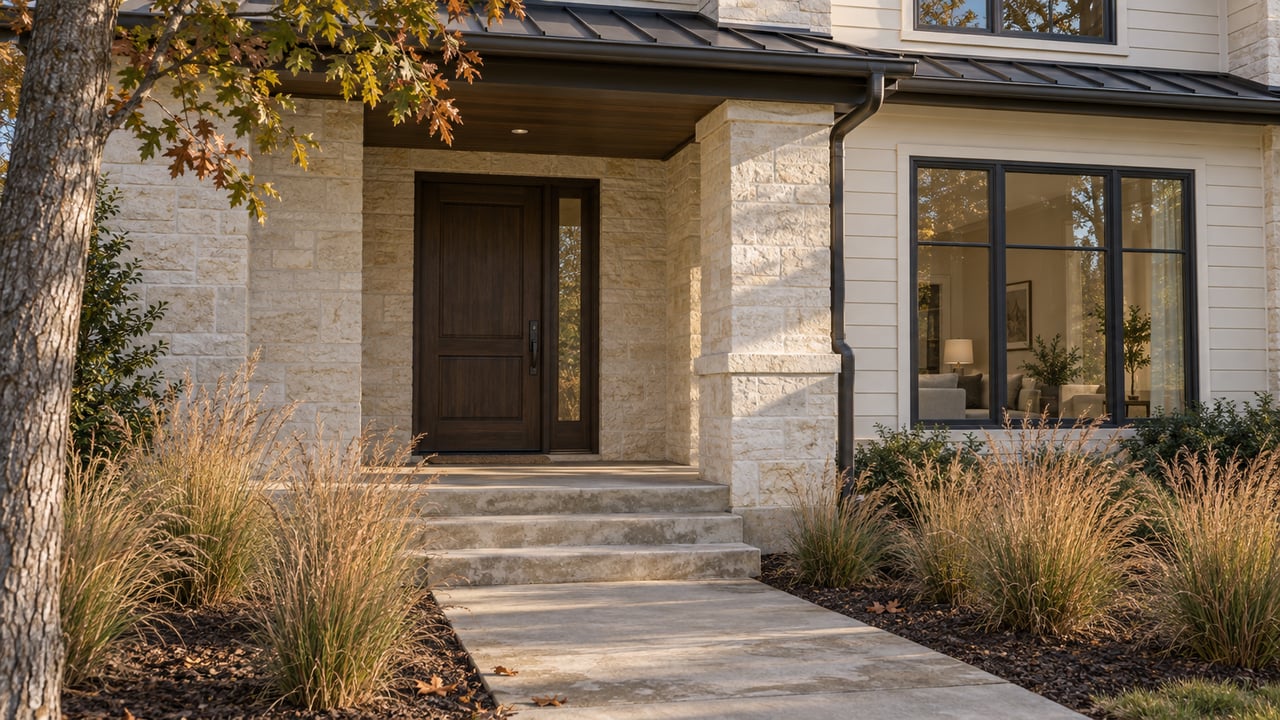
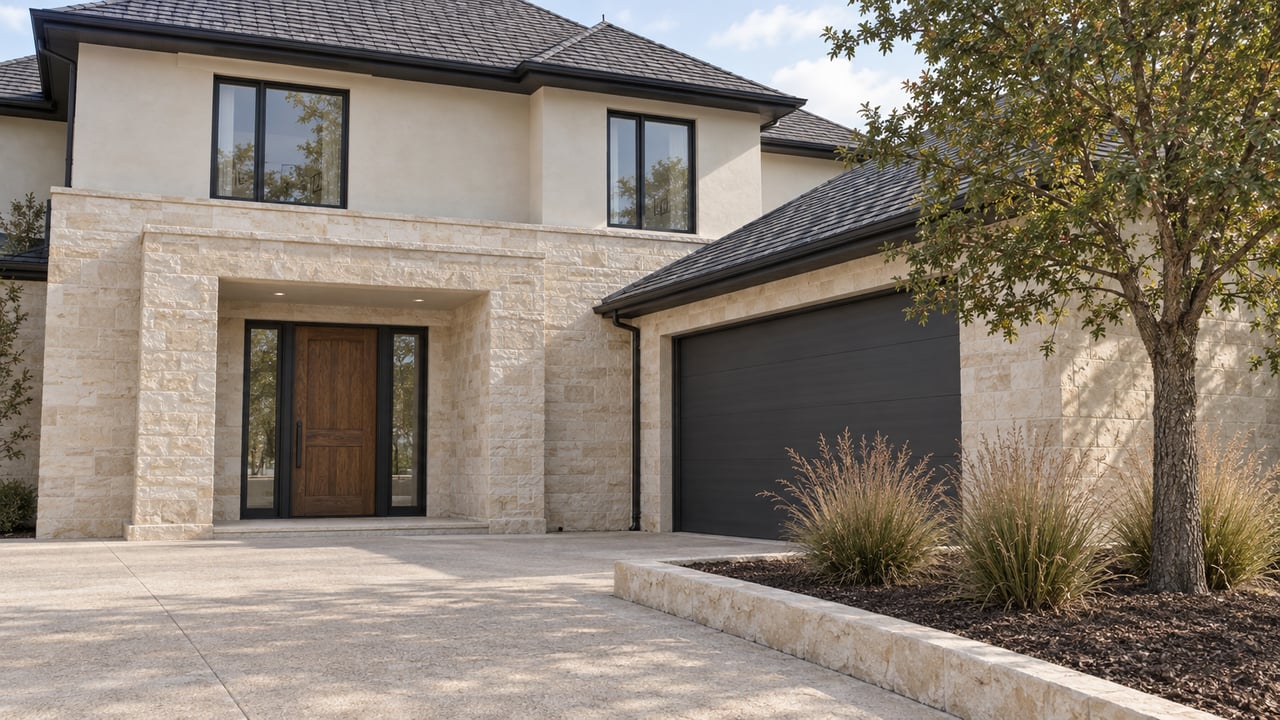
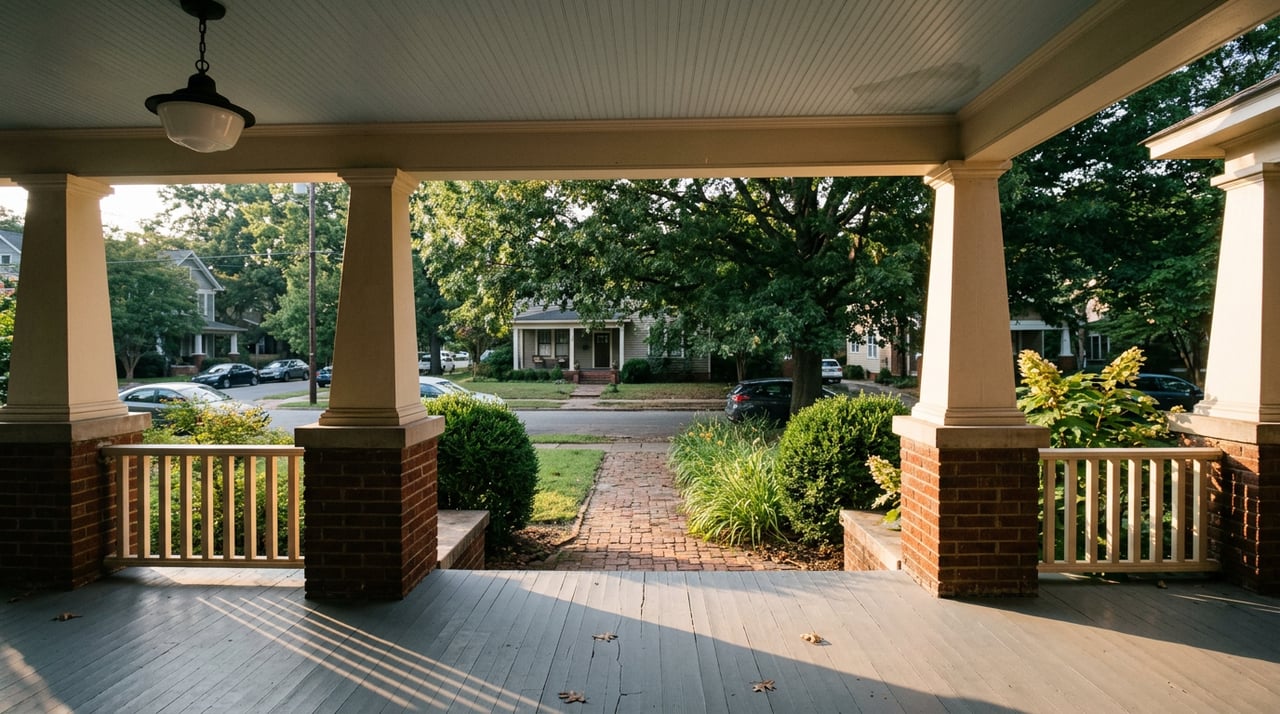
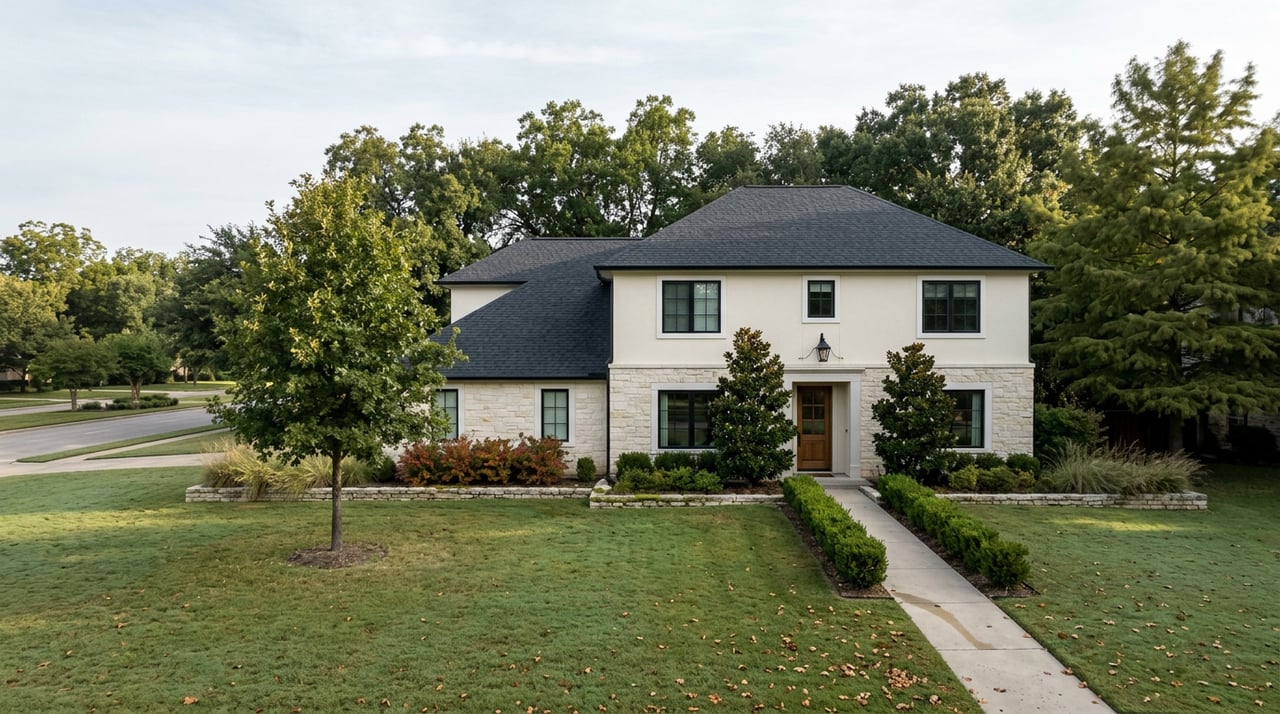
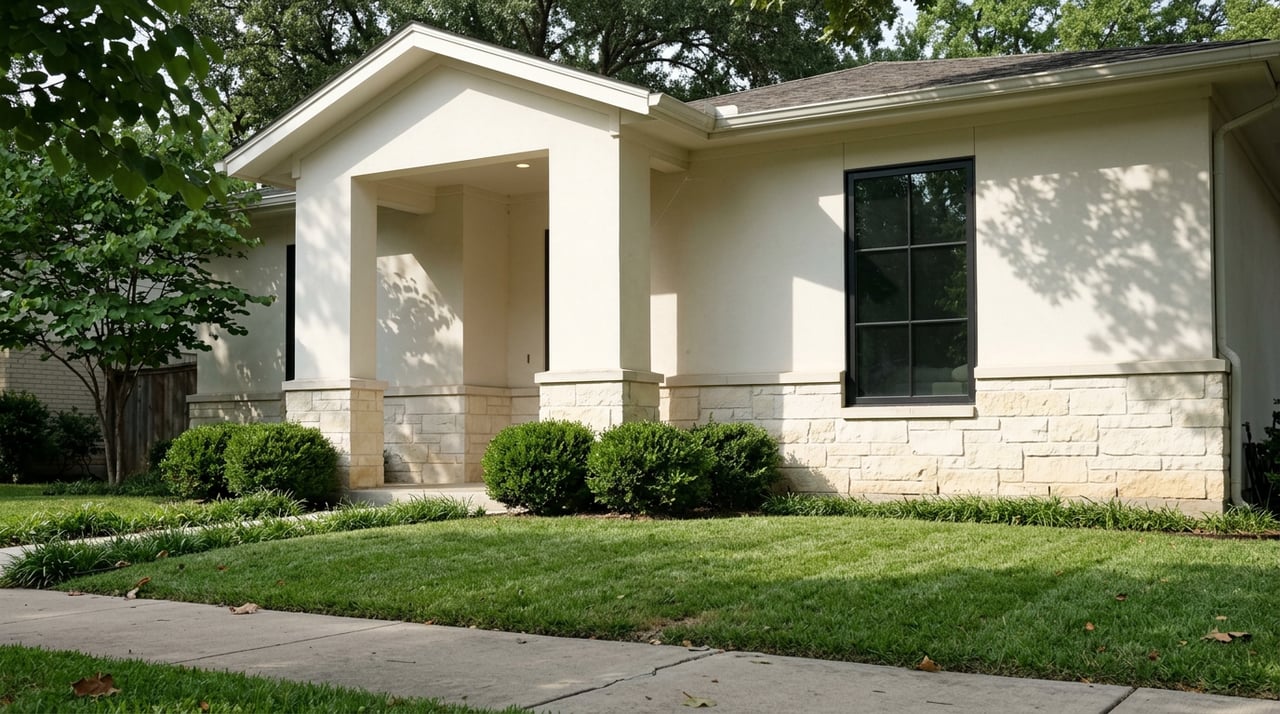
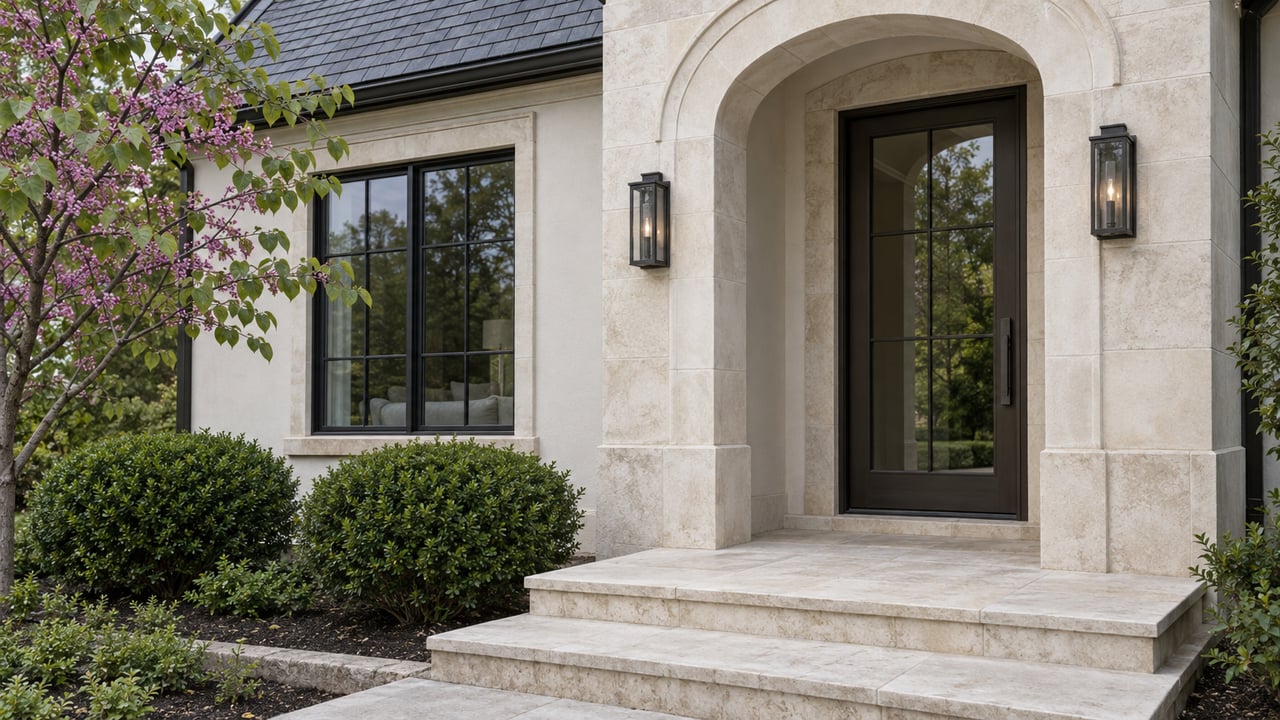
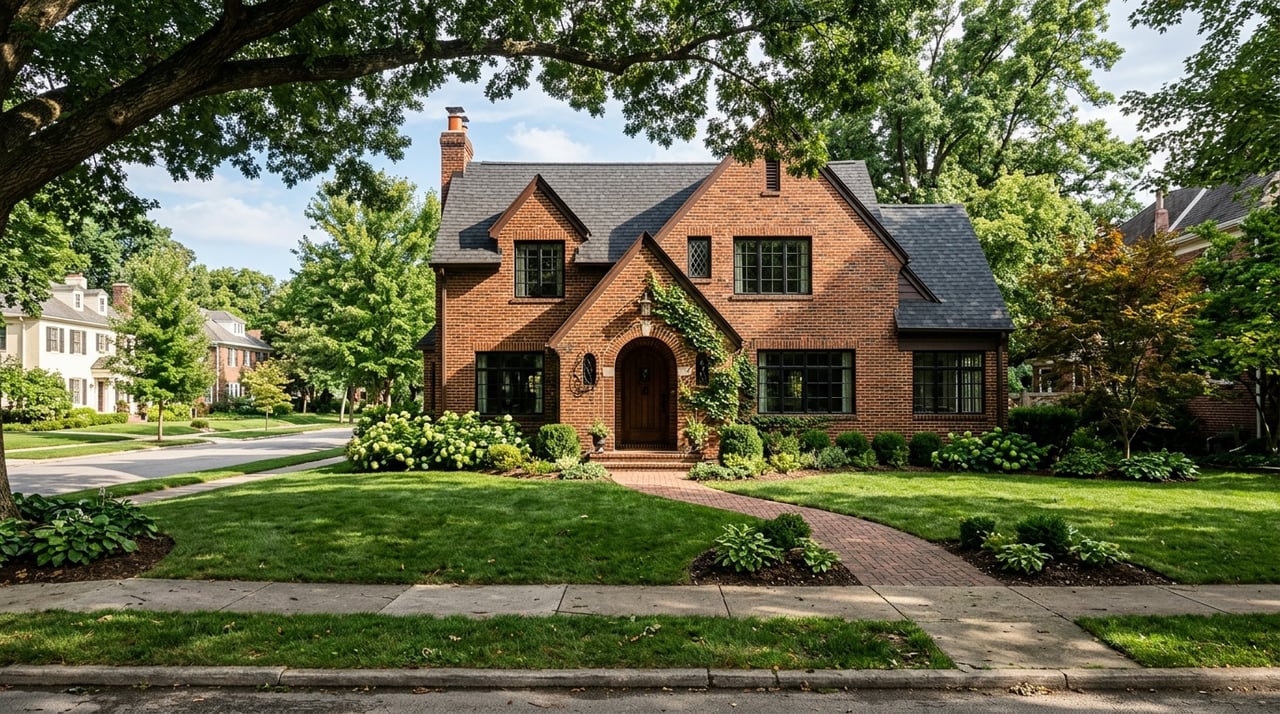
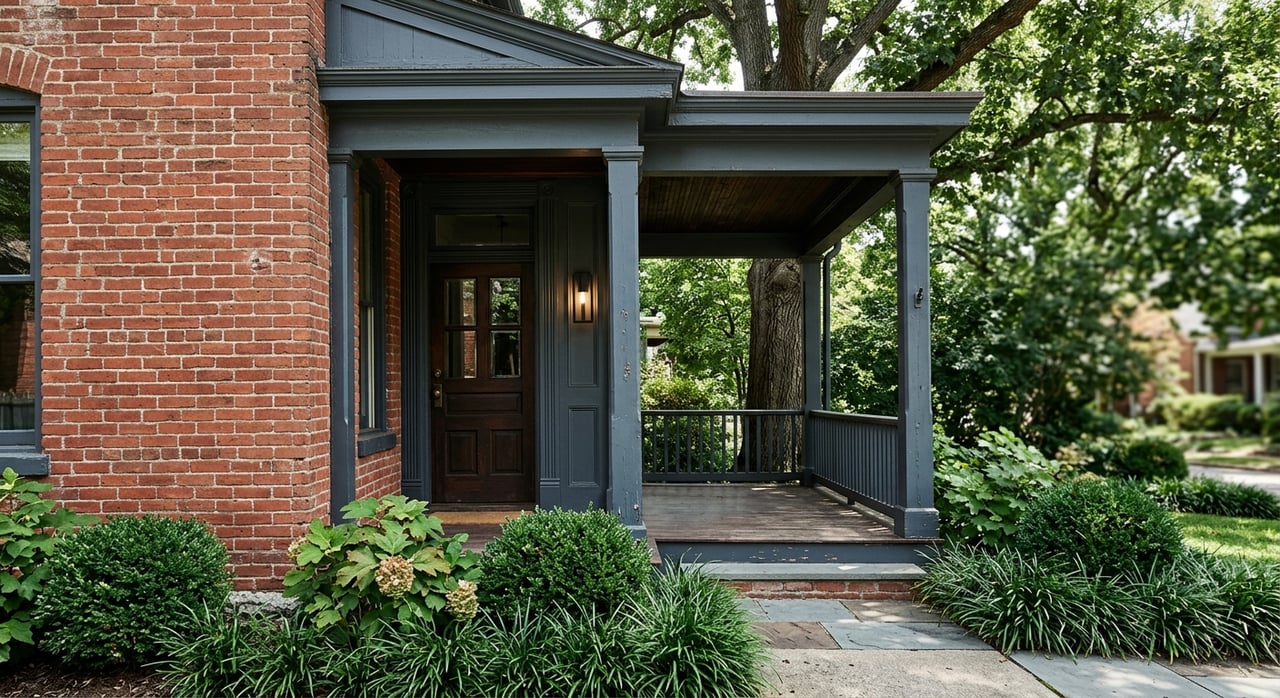
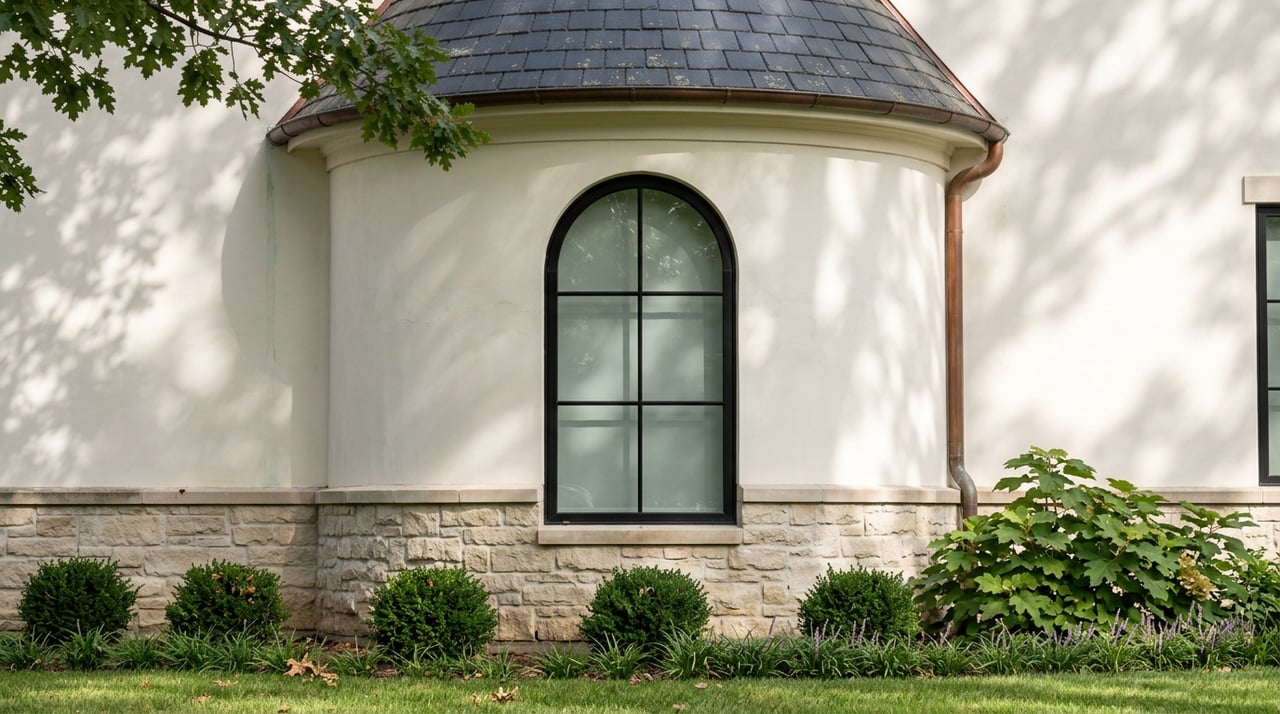
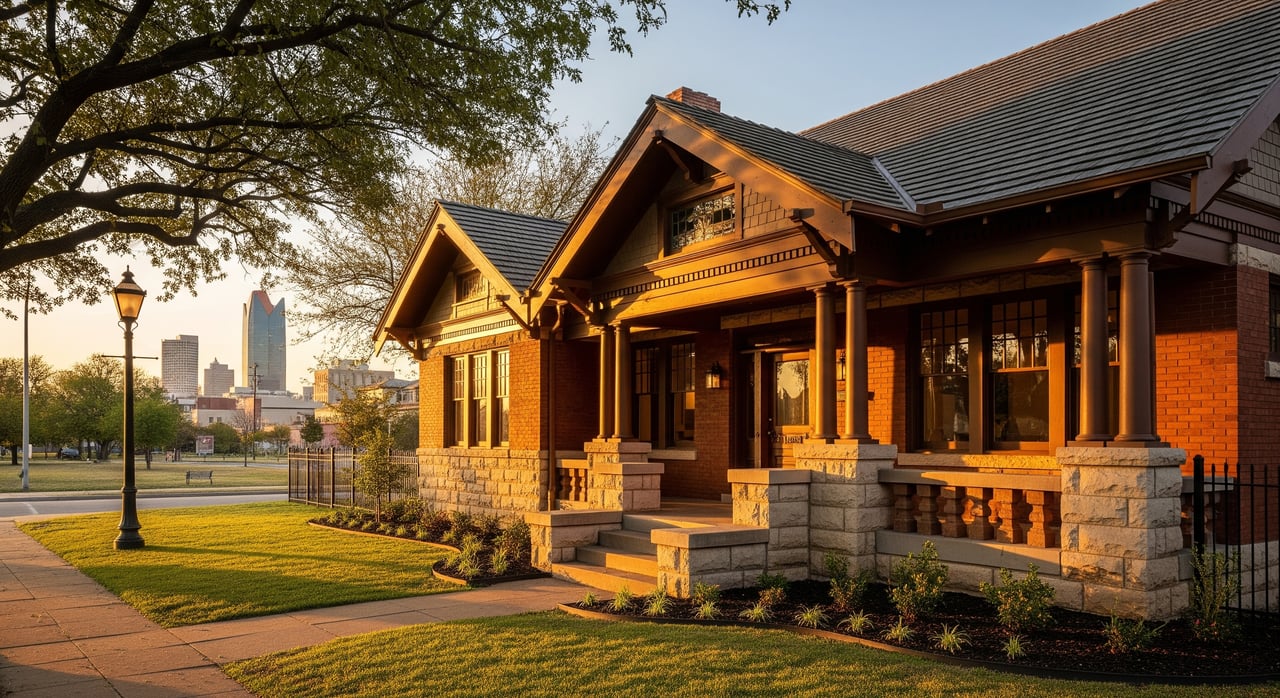
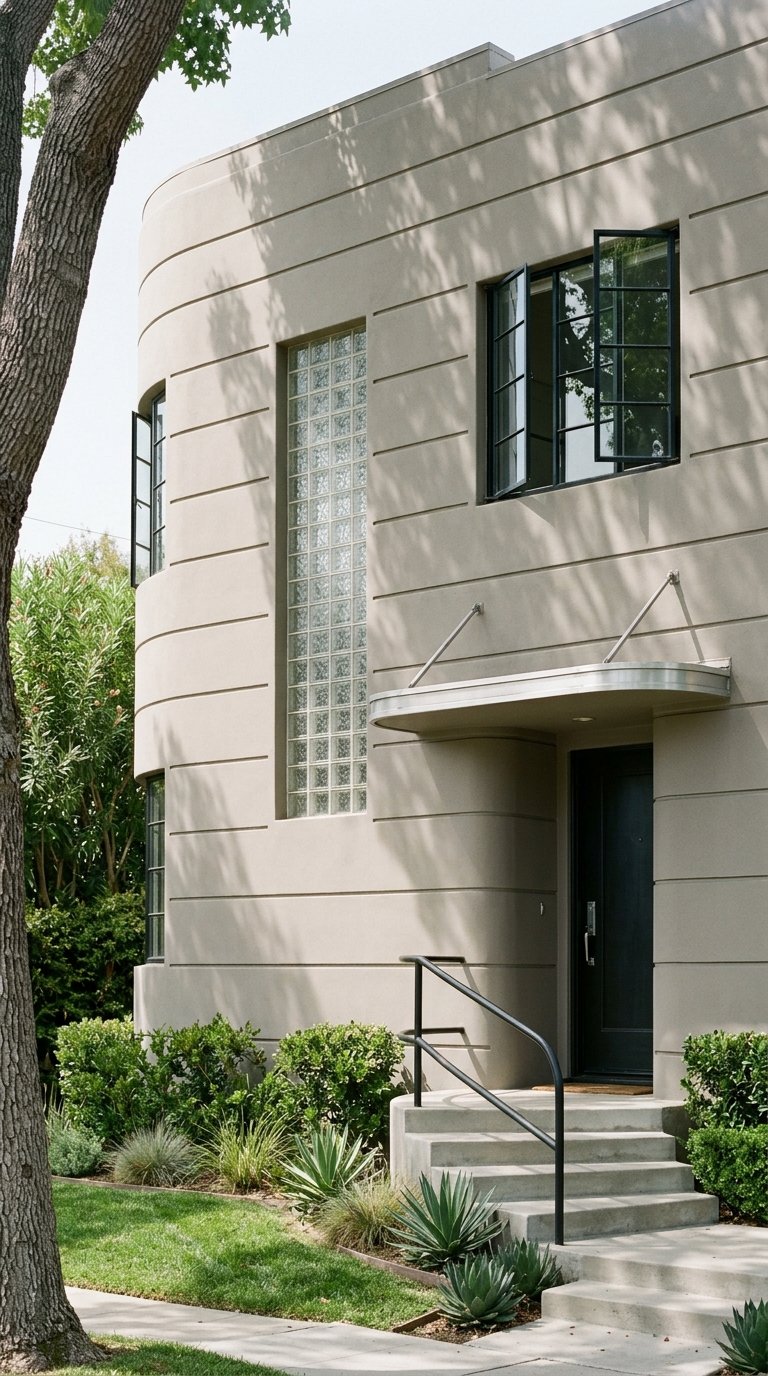
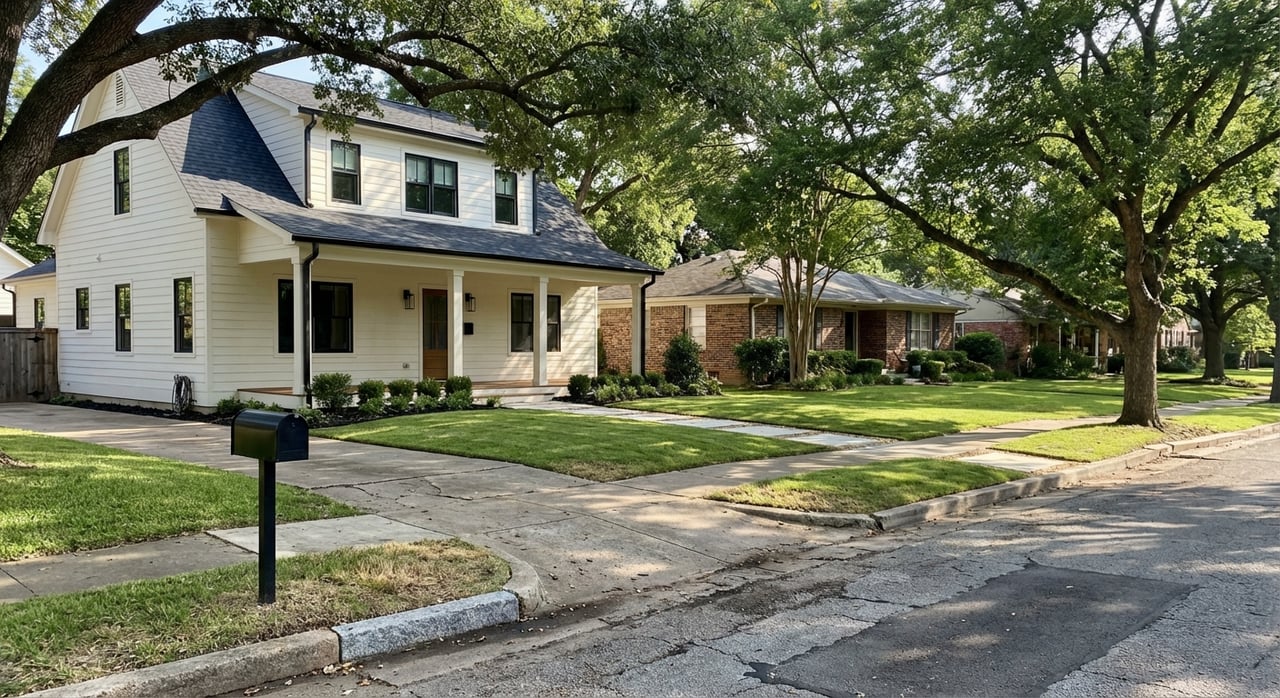
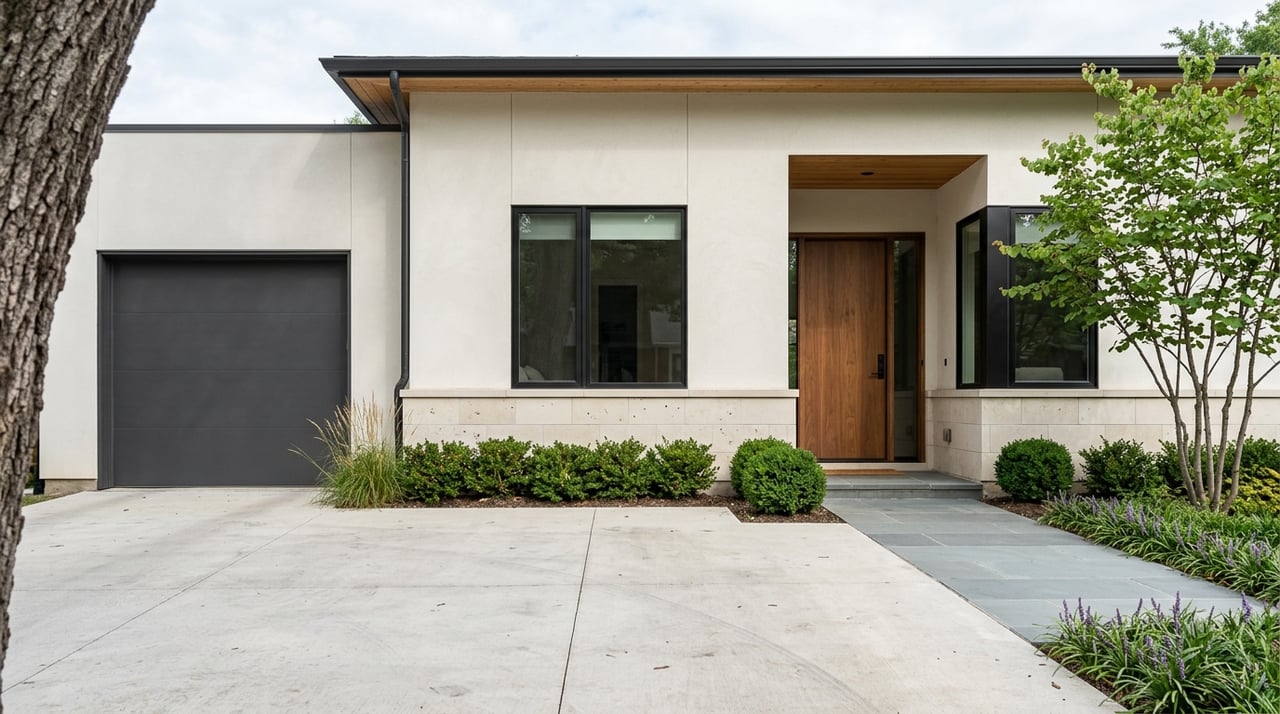
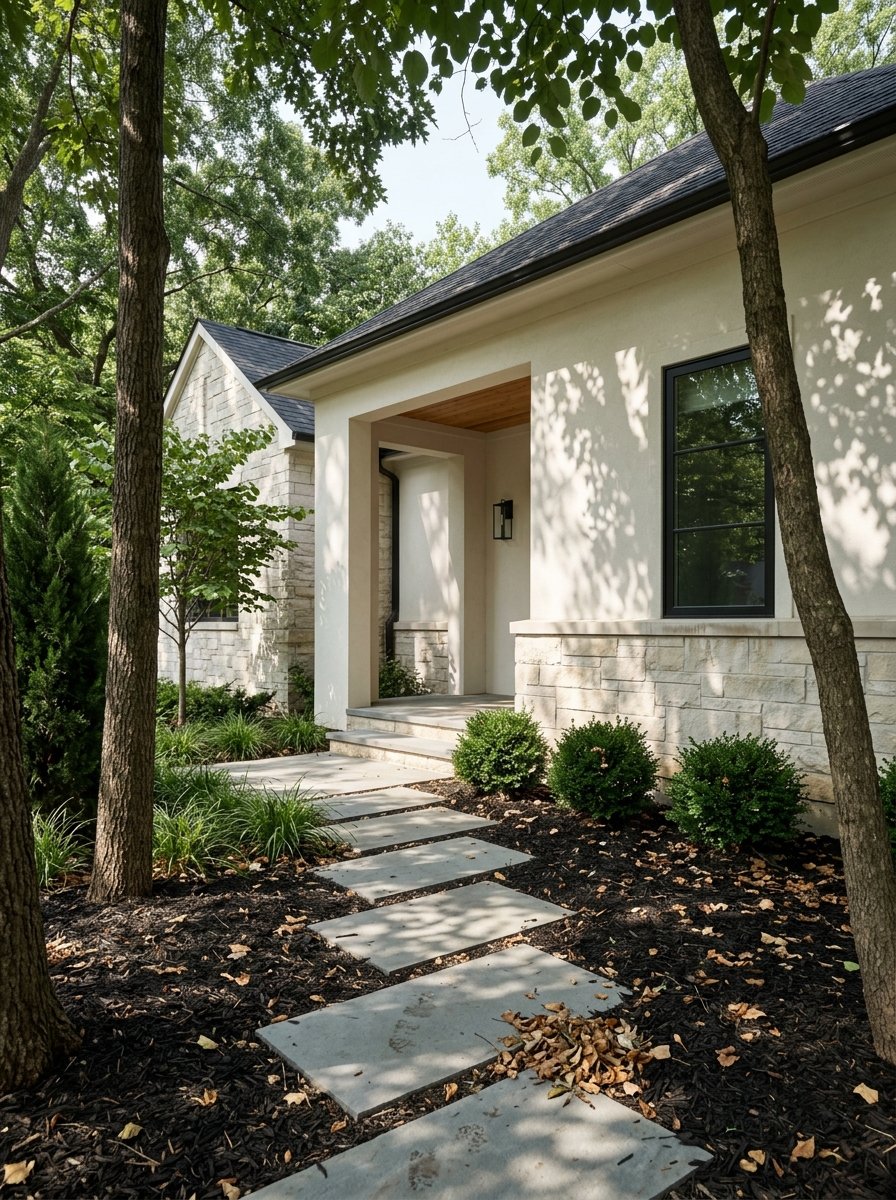
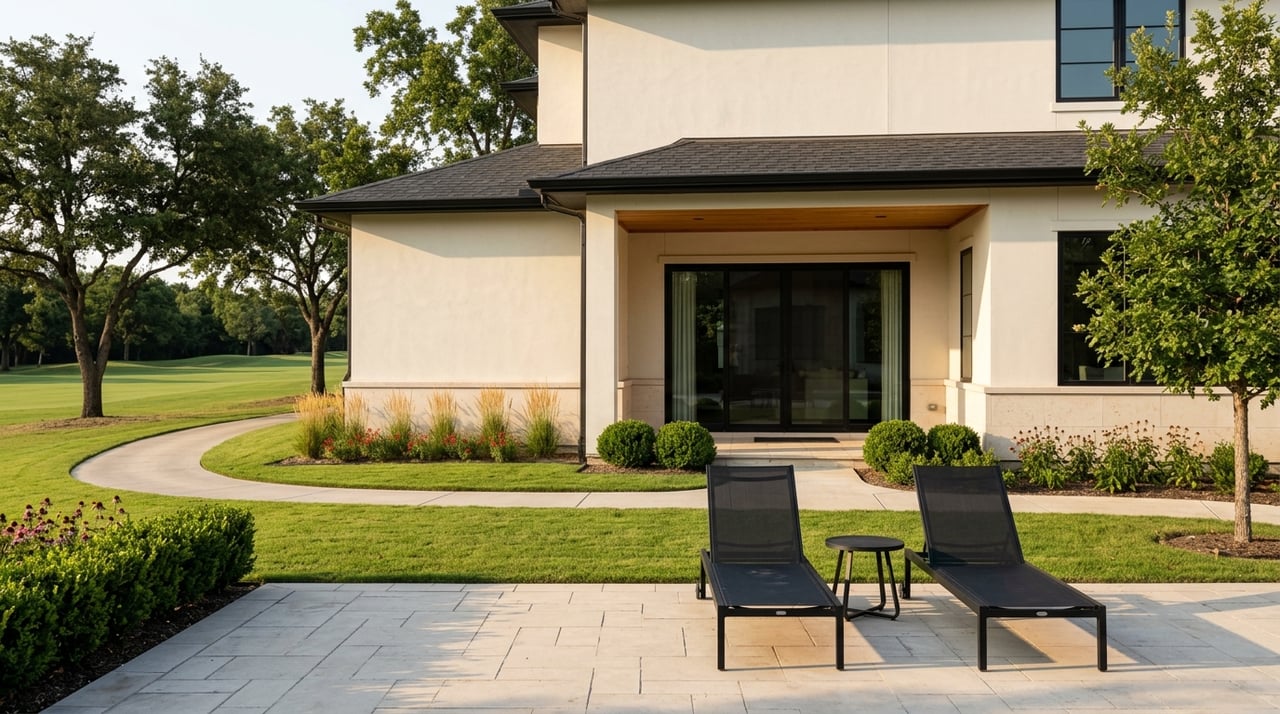
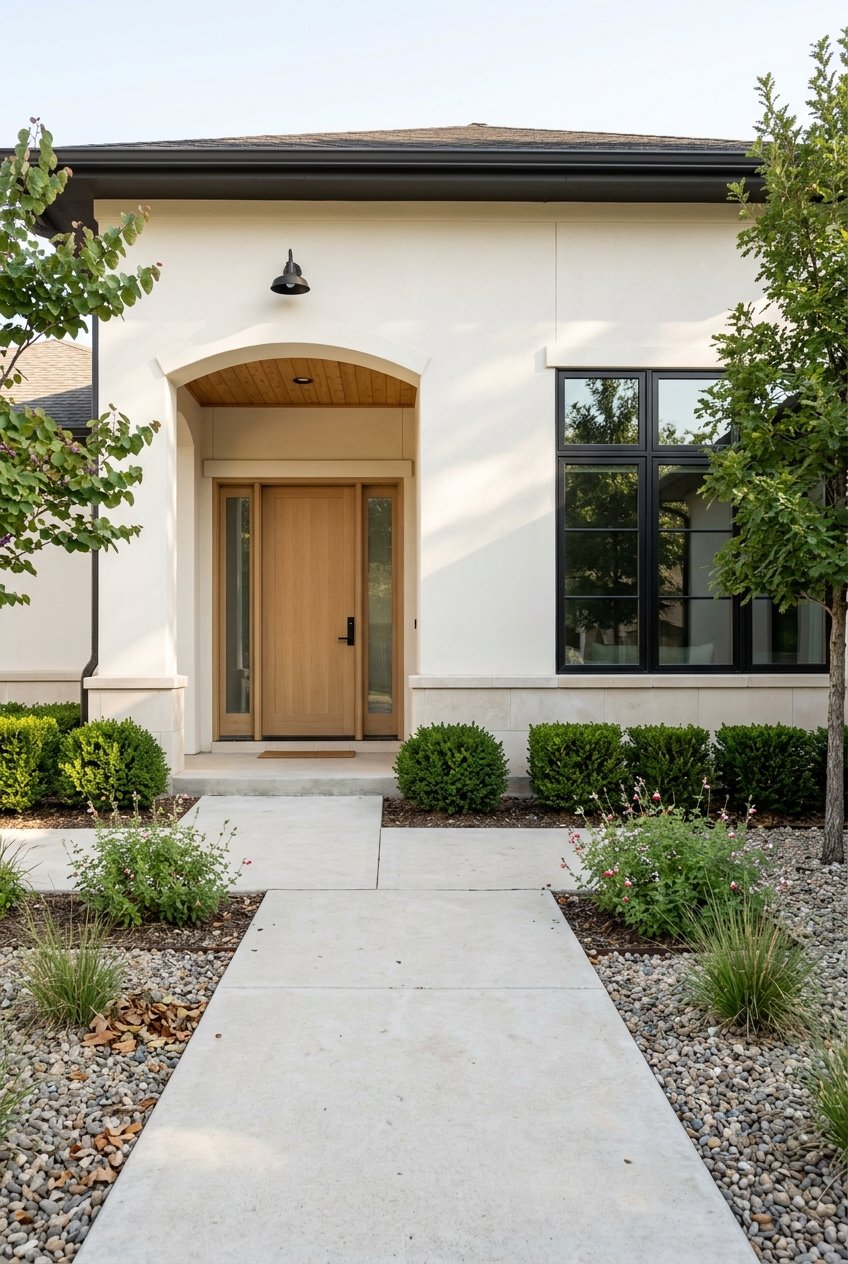
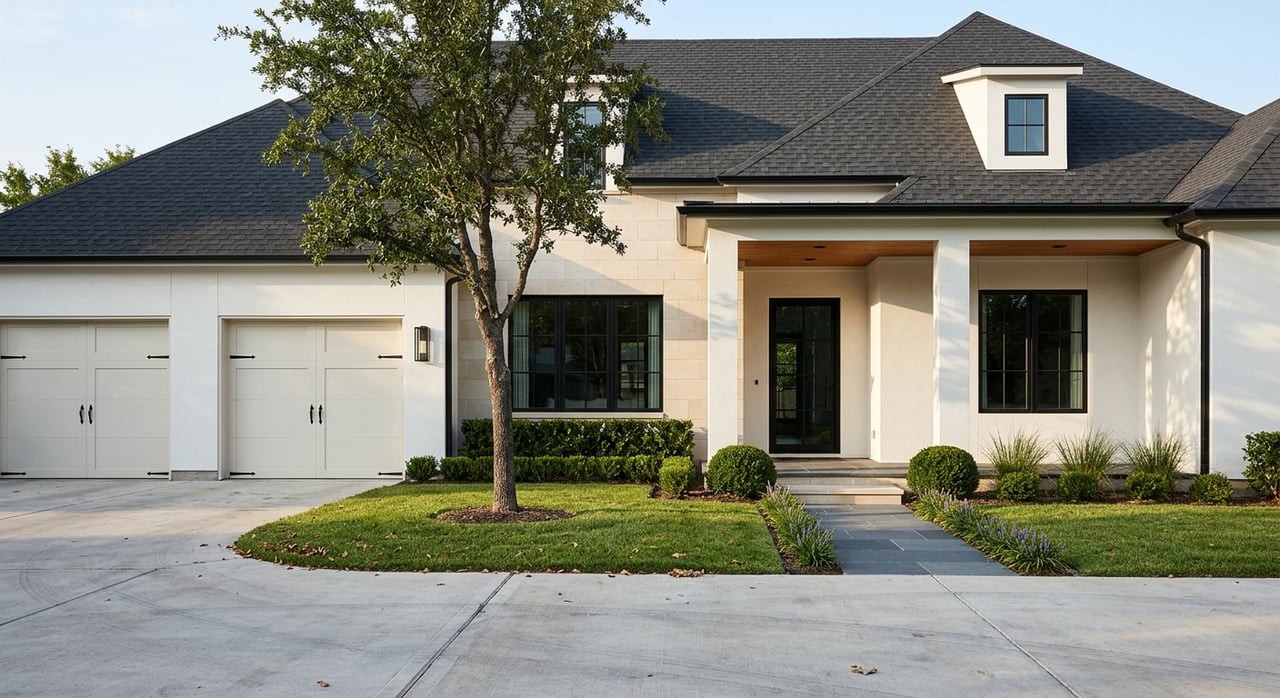
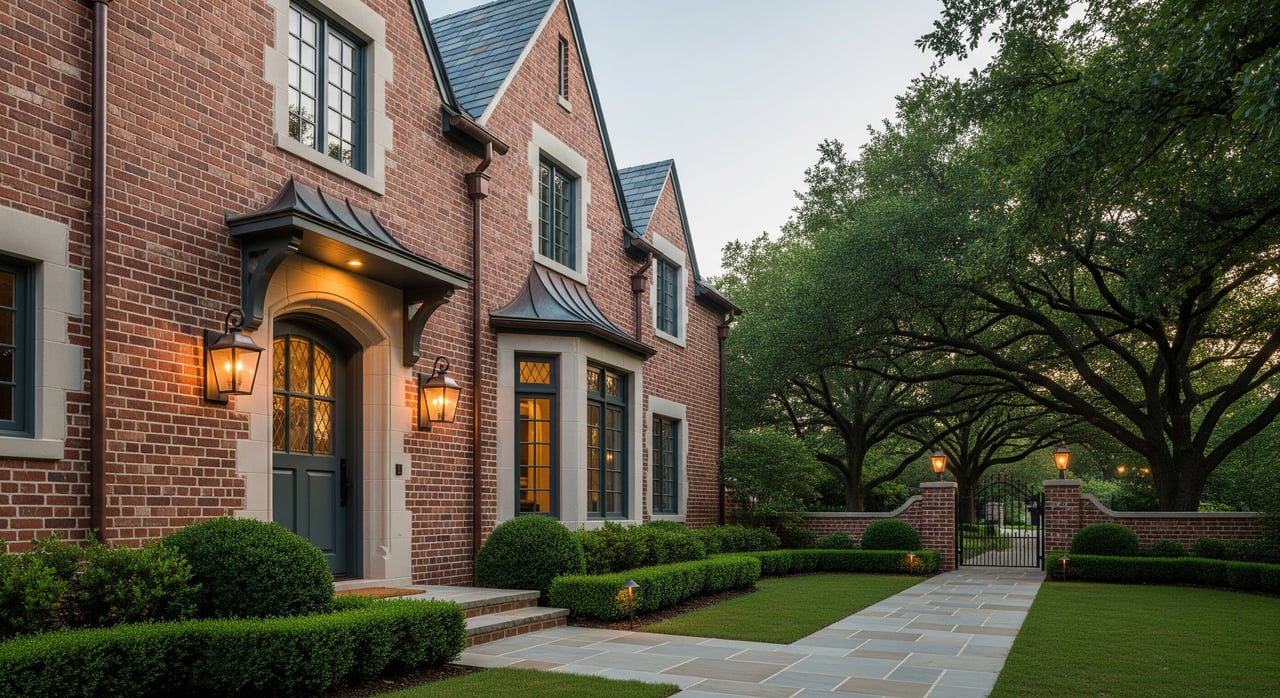
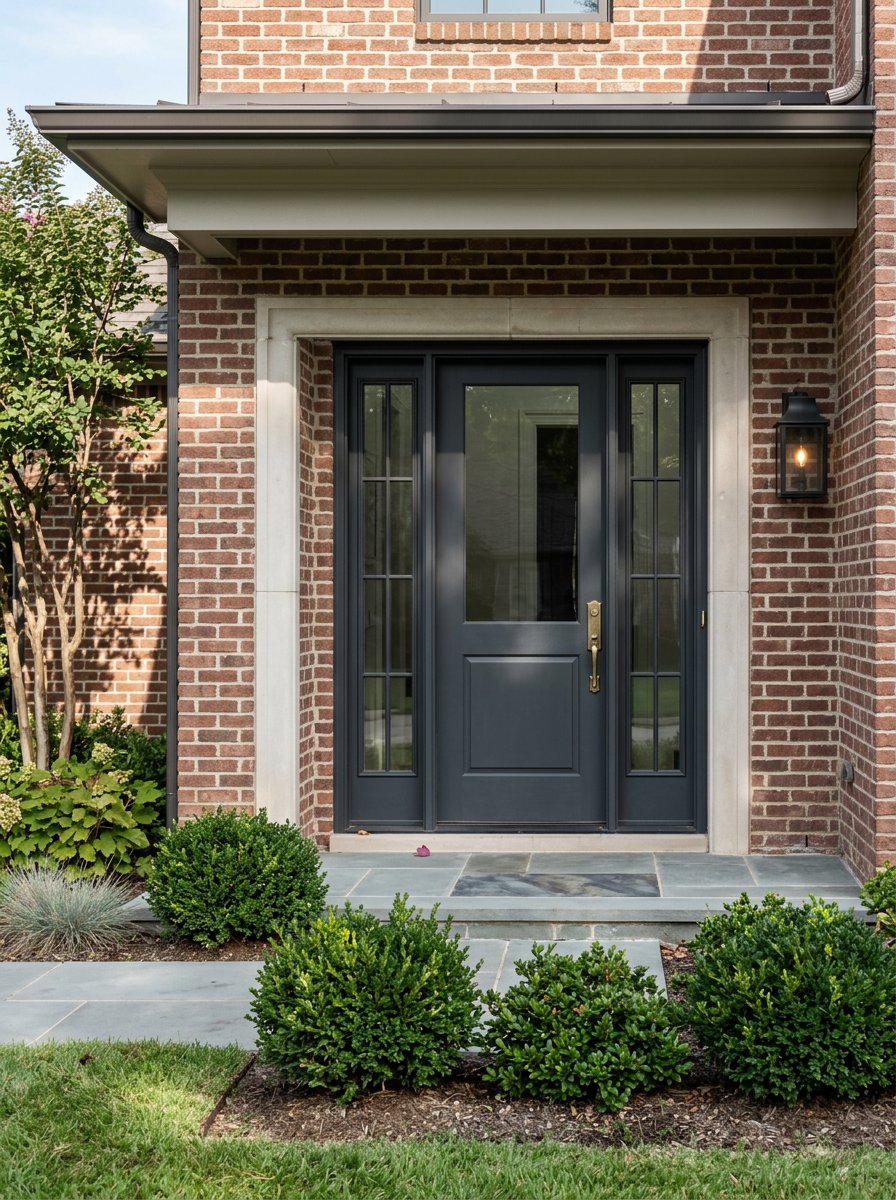
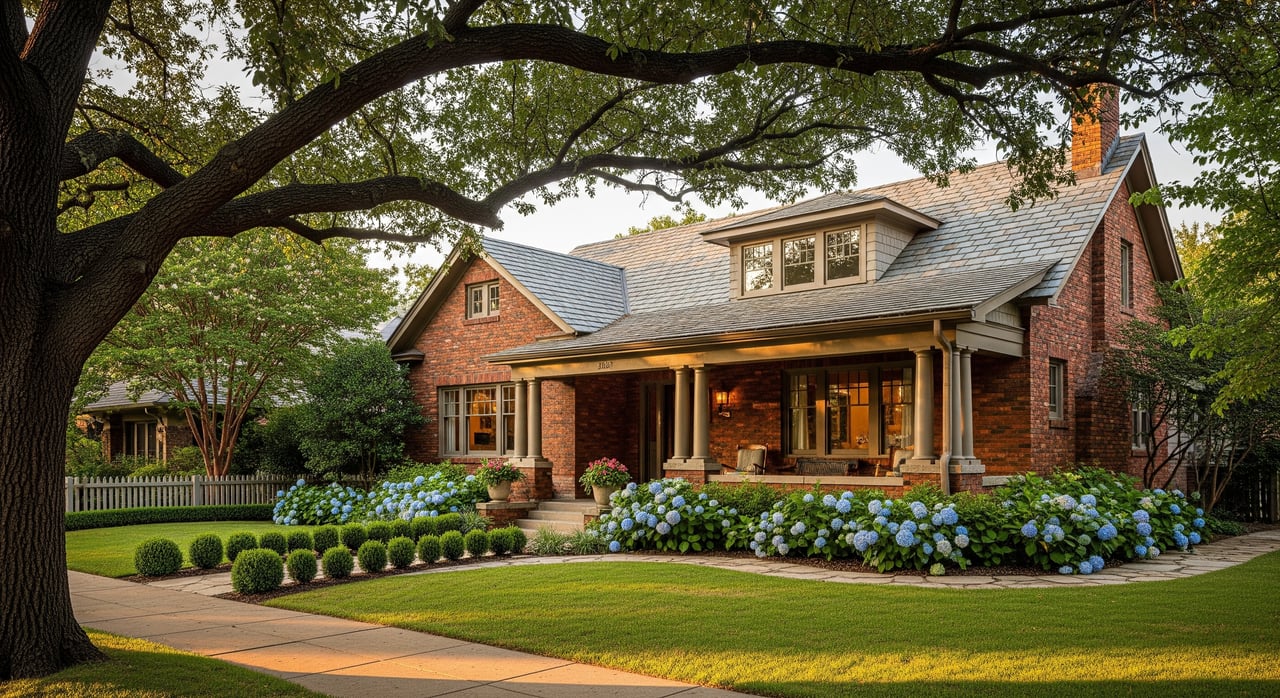
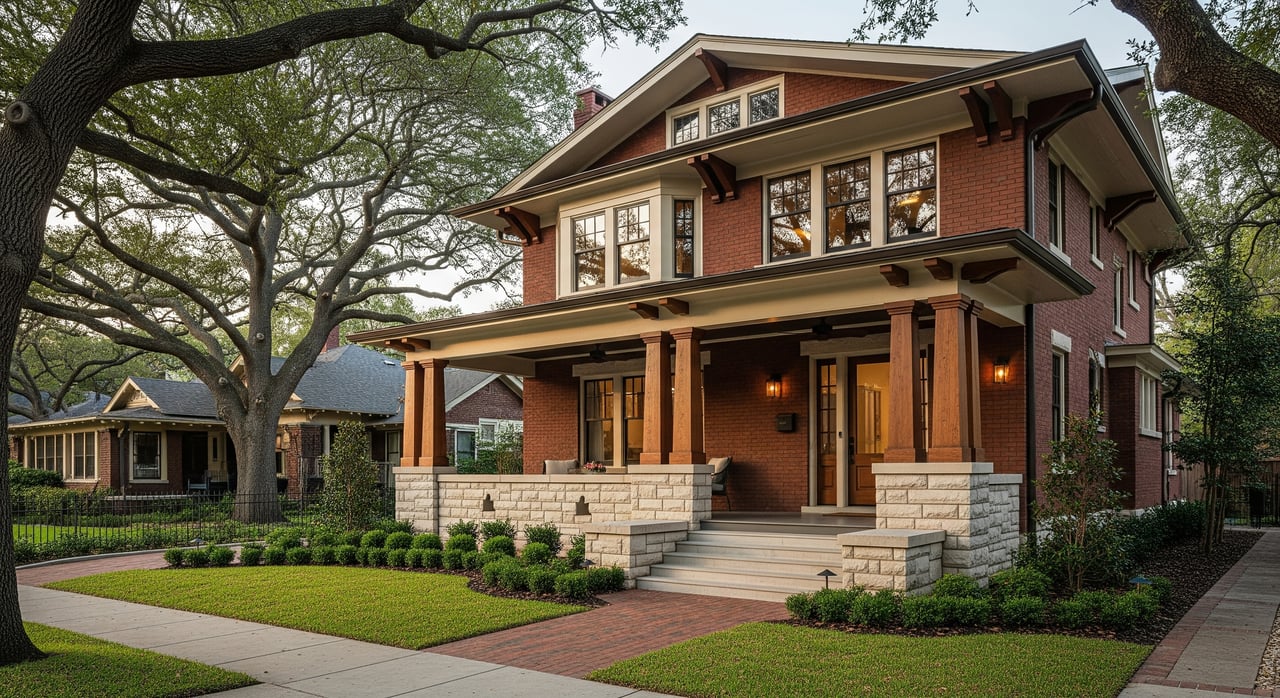
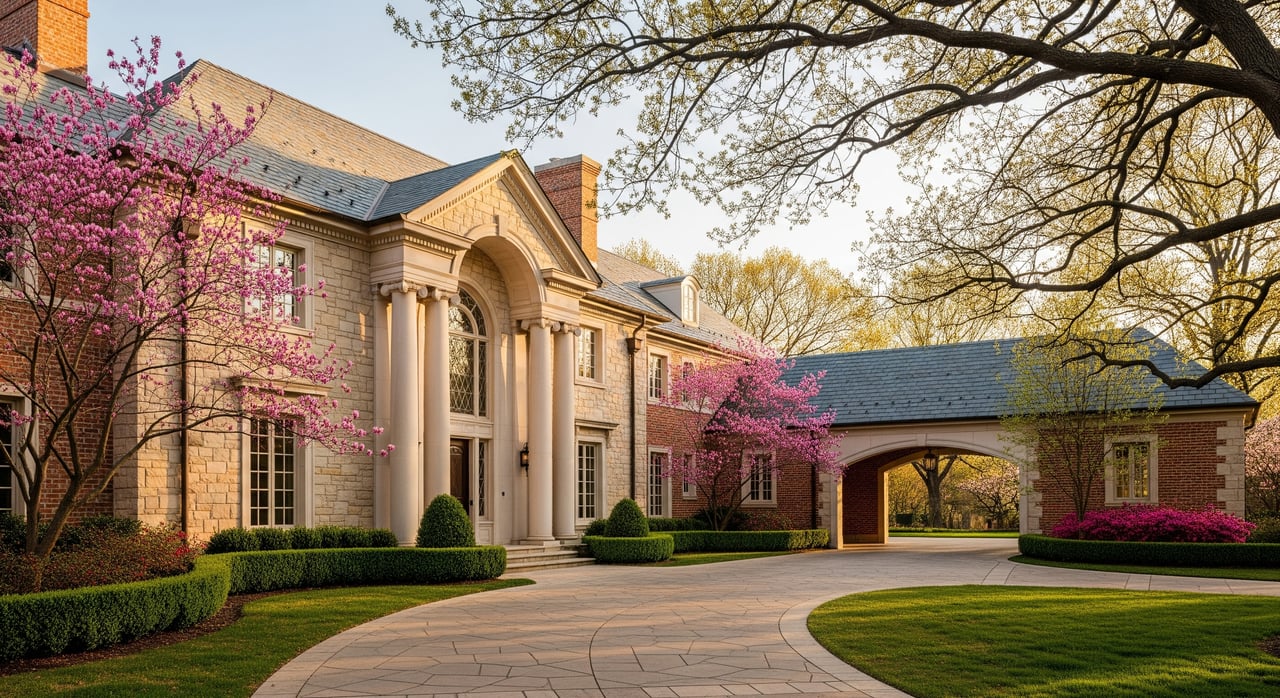
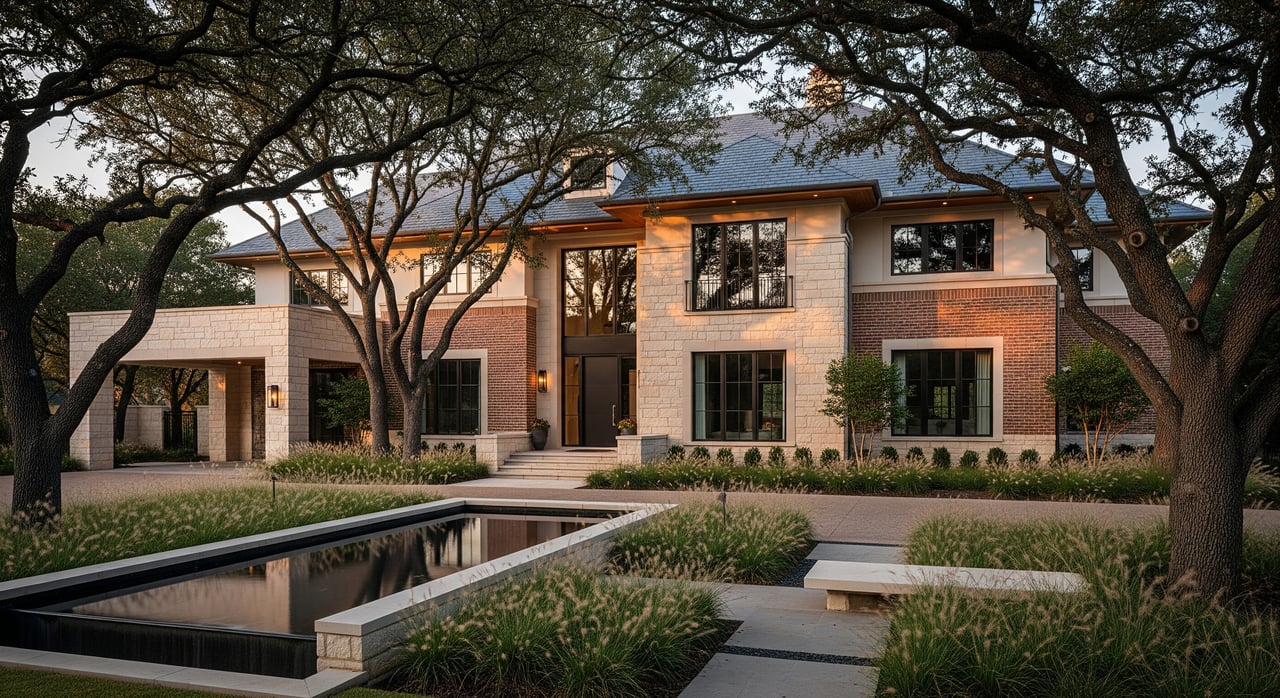
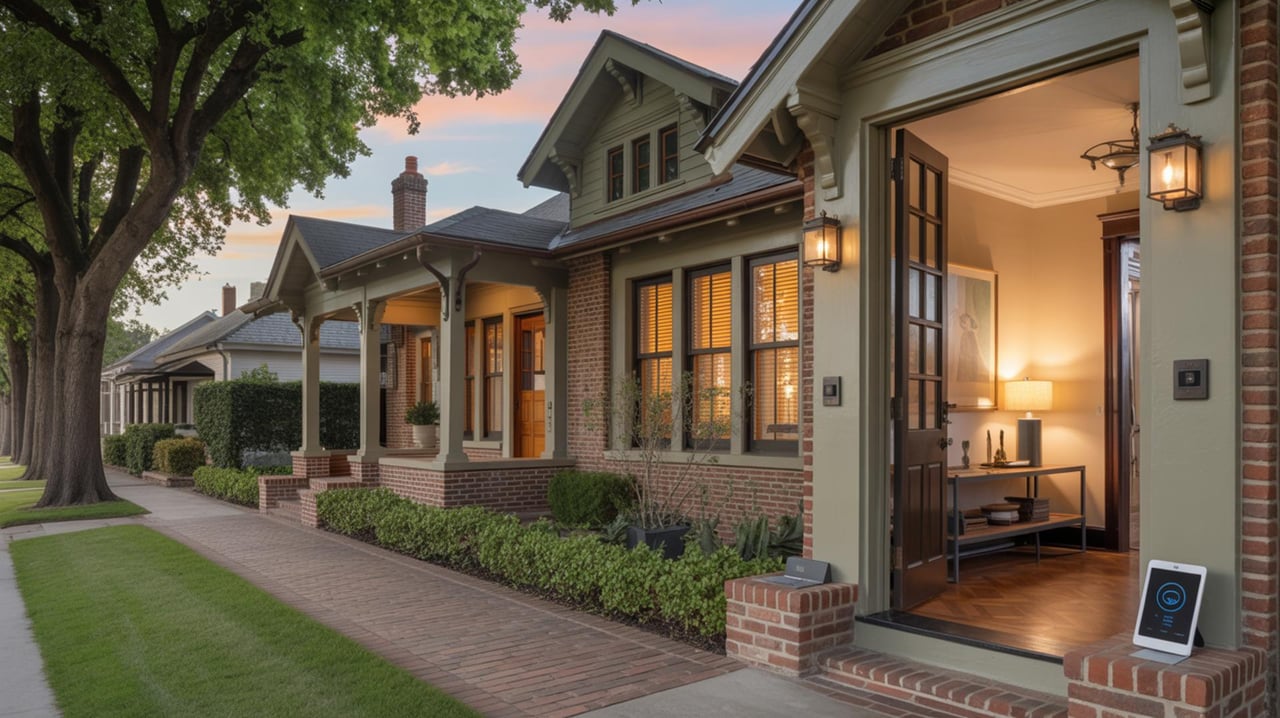
One of the biggest draws in Crown Heights is the architecture. The area is dominated by 1930s-era homes, and the neighborhood includes a wide mix of styles that give the streetscape a lot of visual variety.
The most common styles are Tudor Revival and Colonial Revival. You may also see Mission or Spanish Colonial Revival, Monterey, Classical Revival, Italian Renaissance, French Eclectic, Minimal Traditional, International Style, Contemporary, Ranch, and even some Commercial Style examples.
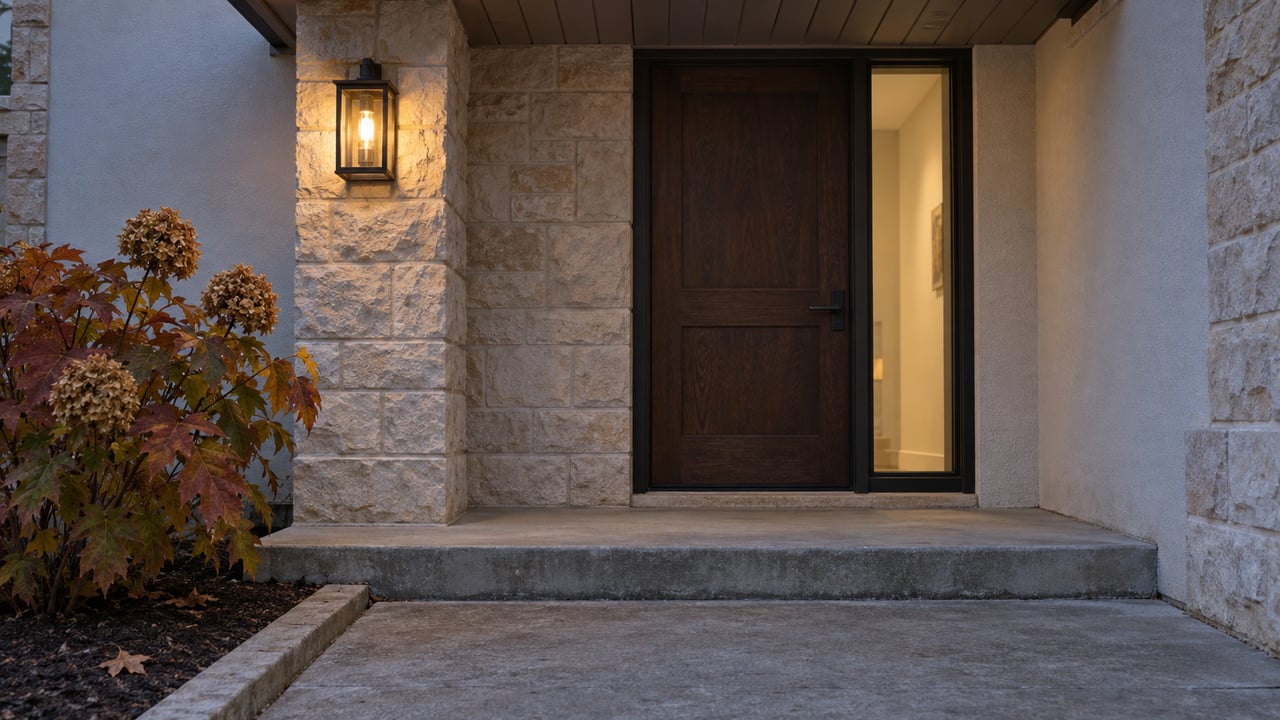
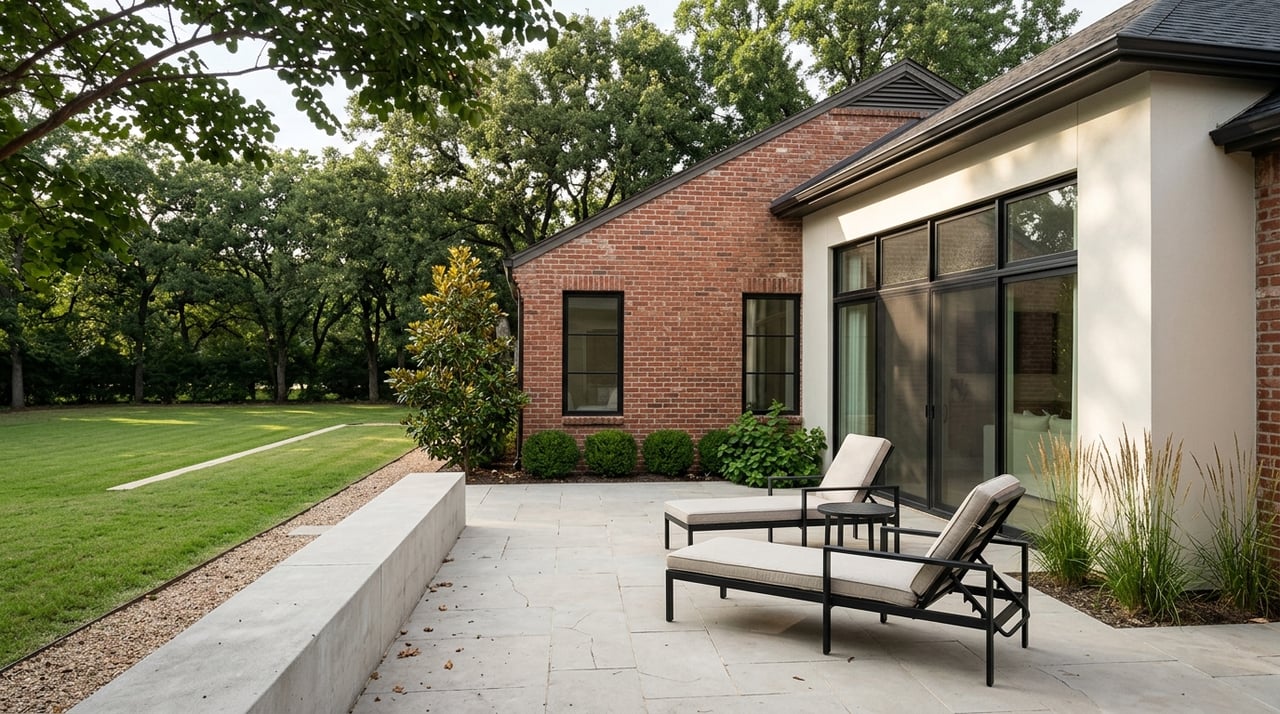
The original development also had clear material expectations. Homes were restricted to brick, stone, or stucco, which helped create a cohesive look even though the individual homes vary in style and size.
You can also expect a different lot pattern than in a postwar subdivision. The neighborhood was designed with deeper lots, wider lots to accommodate driveways, no alleys, and unusually long blocks.
That often translates into a buying experience centered on character rather than uniformity. Detached garages are common, and some include attached quarters, which can add flexibility depending on the property.
What Character Means for Buyers
Charming older homes can offer features that buyers love, but they often require a sharper eye during your search. In Crown Heights, house-to-house variation is part of the appeal, so it helps to compare homes carefully instead of assuming one property will function like the next.
You may notice differences in floor plans, garage placement, lot shape, and original exterior details. Some homes may feel highly preserved, while others may reflect updates made over time.
If original architectural elements matter to you, ask detailed questions early. In a historic area, the condition and treatment of exterior features can affect both your renovation options and your future project timeline.
What to Expect on Pricing
Crown Heights sits in the premium end of central Oklahoma City pricing. Current market indicators vary by source, but they point in the same general direction: buyers should be prepared for pricing that reflects both location and historic character.
Zillow’s Crown Heights home value index is $453,935, up 1.6% year over year. Redfin’s Crown Heights-Edgemere Heights data shows a recent median sale price of $534,820 and median days on market of 14 as of May 2026, with the market described as very competitive.
Live listing ranges show that there is still variety within the area. Visible inventory on Zillow spans from about $152,500 to $1.55 million, with several listings clustering from roughly $275,000 to $599,000 and higher-end options above $800,000.
Because some market pages combine Crown Heights and Edgemere Heights, it helps to treat those figures as broader neighborhood context rather than a district-only statistic. Your exact price point will depend on whether the home is inside the historic district, its architectural style, condition, size, and level of updates.
How Crown Heights Compares Nearby
If you are deciding between central Oklahoma City neighborhoods, Crown Heights often competes on architecture, location, and established character. It tends to sit near other sought-after historic areas, but not always at the very top of the pricing spectrum.
For example, nearby Zillow values place Crown Heights close to Mesta Park at $448,392. It is above Edgemere Heights at $231,011 and Gatewood at $267,469, and below Heritage Hills at $705,449.
That comparison can help you frame expectations. If you want a historic central OKC feel with strong architectural identity, Crown Heights may offer a middle ground between more accessible nearby options and higher-priced legacy neighborhoods.
Renovation Expectations in Crown Heights
Many buyers fall in love with Crown Heights because they can picture personalizing a classic home. That can absolutely be part of the opportunity here, but it is wise to go in with a realistic timeline and a clear plan.
The City of Oklahoma City’s historic-preservation materials show that exterior work can be documentation-heavy. Depending on the project, applications may require photos of existing conditions, labeled drawings, site plans, elevations, floor and roof plans, construction methods, materials, dimensions, and product information.
Window work is a good example. The city’s guidance for historic windows calls for condition photos and manufacturer details when windows are replaced, which signals how closely exterior changes may be reviewed.
The key takeaway is simple: if you want to buy a home and quickly start exterior improvements, build extra time into your plan. Historic review is often a separate step from your purchase itself.
How the Approval Timeline Can Affect You
Historic review does not necessarily slow your home purchase, but it can affect what happens after closing. The city states that staff can request additional information within 10 days of application, and certificates are not issued until the 10-business-day appeal period has passed.
On top of that, additional building permits may still be required depending on the project. So even if you close on schedule, your renovation calendar may move more slowly than expected if exterior approvals are involved.
This is especially important if you are relocating, managing contractor schedules, or hoping to complete updates before moving in. A strong plan starts with knowing which projects need review and when to begin that process.
Contract-to-Close Timing in Oklahoma City
The purchase timeline itself may still feel familiar. In Oklahoma, financed purchases commonly run about 30 to 45 days from contract to closing, which fits standard local expectations.
You should also know that the Closing Disclosure must be delivered at least three business days before closing. That built-in timing requirement is a normal part of the process, but it is worth keeping in mind as you coordinate inspections, financing, and moving plans.
For Crown Heights buyers, the bigger scheduling issue is usually not the purchase contract. It is aligning your closing timeline with any post-closing work you hope to do on a historically regulated property.
Smart Questions to Ask Before You Buy
If you want to shop in Crown Heights with confidence, a few questions can help you avoid surprises.
- Is this address inside the Historic Preservation District or outside it?
- What exterior changes have been made to the home over time?
- Are there original windows, garage structures, or exterior materials still in place?
- If you want to renovate, which planned projects may need a Certificate of Approval?
- How does this home’s price compare with similar nearby historic properties?
- If the home needs work, how might approval timelines affect your move-in plan?
These questions can give you a clearer picture of both the opportunity and the responsibility that come with buying in this part of Oklahoma City.
Buying Strategy for Crown Heights
Crown Heights rewards buyers who prepare early. If this neighborhood is on your shortlist, it helps to be clear about your must-haves, your renovation tolerance, and how much historic oversight you are comfortable navigating.
Some buyers want a move-in-ready home with preserved character and minimal exterior projects. Others are open to a home that needs updates, as long as they understand the review process and budget enough time for approvals.
Either way, local guidance matters here. A neighborhood with premium pricing, competitive conditions, and historic district rules benefits from a strategy that looks beyond square footage alone.
If you are considering a move into Crown Heights, working with a team that understands central OKC neighborhoods can help you evaluate homes, timelines, and tradeoffs more clearly. To talk through your options or book an appointment, connect with Stetson Bentley.
FAQs
What should buyers know about the Crown Heights historic district?
- Buyers should verify whether a home is west of Walker Avenue inside the Historic Preservation District, because exterior changes in that area may require a Certificate of Approval from the City of Oklahoma City.
What home styles are common in Crown Heights Oklahoma City?
- Crown Heights is known for 1930s-era homes, especially Tudor Revival and Colonial Revival, along with several other historic architectural styles.
What price range should buyers expect in Crown Heights?
- Current neighborhood-level data shows a broad range, from about $152,500 to $1.55 million in visible listings, with many homes clustering between roughly $275,000 and $599,000.
What is the closing timeline for buying a home in Oklahoma City?
- Financed purchases in Oklahoma commonly close in about 30 to 45 days, although renovation work in a historic district may require extra time after closing for approvals.
What renovations may need approval in Crown Heights?
- In the Historic Preservation District, exterior changes, demolitions, and new construction may require city review and a Certificate of Approval before work begins.
How does Crown Heights compare with other central OKC neighborhoods?
- Crown Heights generally sits in the premium range of central Oklahoma City, with values near Mesta Park, above Edgemere Heights and Gatewood, and below Heritage Hills.