You love the character of Mesta Park, but the words historic district can feel like a maze. You want a home with story and craftsmanship, and you also want a clear path to renovate without surprises. This guide gives you a step-by-step checklist tailored to Mesta Park so you can buy with confidence, plan smart upgrades, and keep your project on time and on budget. Let’s dive in.
Know the rules in Mesta Park
Buying in a historic area adds a layer of review on exterior changes. Understanding where and how those rules apply will save you time and money.
Local vs. National designation
- National Register status documents significance and can unlock certain tax incentives for income-producing properties. It typically does not restrict what private homeowners do unless federal funds or permits are involved.
- Local historic district rules come from the City of Oklahoma City. If your property sits in a local historic overlay, exterior changes visible from the street may need a Certificate of Appropriateness (COA) and design review.
- Action: Confirm whether your specific property falls within a local district and obtain the current design guidelines and COA checklist from the City of Oklahoma City’s Historic Preservation Division.
Neighborhood association and covenants
- Ask whether any recorded covenants or neighborhood association guidelines apply to items like fences, curb cuts, driveways, or signage.
- Action: Request copies of any covenants and ask the seller for prior approvals or maintenance records that may help your future applications.
Why this matters
- Work done without approvals can trigger stop-work orders, fines, or forced changes. Build design review time into your renovation plan before you schedule contractors.
Pre-offer checklist
Do a little homework up front to avoid costly delays later.
- Verify local designation and zoning, including setbacks, lot coverage, accessory structures, and permitted uses.
- Order a title search and survey to identify easements or restrictions that affect exterior work.
- Ask the seller for prior COAs, permits, plans, and maintenance history.
- Review the city’s design guidelines if the property is within a local historic district.
- Add inspection and COA/permit contingencies to your offer so you can cancel or renegotiate if major issues surface.
Inspection plan for historic homes
Older homes reward a thorough evaluation. Line up qualified professionals who understand historic construction.
- General home inspection following recognized standards.
- Structural and foundation inspection to assess settlement, piers, and moisture.
- Roof assessment, including decking, layers, and structure.
- Electrical review for knob-and-tube, aluminum wiring, and panel capacity.
- Plumbing review for galvanized supply lines and cast iron drains.
- HVAC inspection for age, efficiency, and ductwork.
- Chimney and fireplace inspection, if present.
- Termite and wood-destroying organism inspection. Oklahoma homes face termite risk, so this is essential.
- Lead-based paint risk assessment for pre-1978 homes. If you plan to disturb paint, follow EPA RRP rules for lead-safe work.
- Asbestos survey before disturbing suspect materials like old floor tile, insulation, or textured coatings.
- Sewer scope to assess the lateral from house to main.
- Optional historic fabric assessment by a preservation consultant to document windows, trim, porches, and other character-defining features.
Add a contingency for surprises: set aside 10 to 25 percent of your renovation budget. Also plan extra time for design review and permits.
Exterior and preservation basics
Preservation standards focus on keeping the look and feel of the home from the street. Repair is preferred over replacement when feasible.
Porches and rooflines
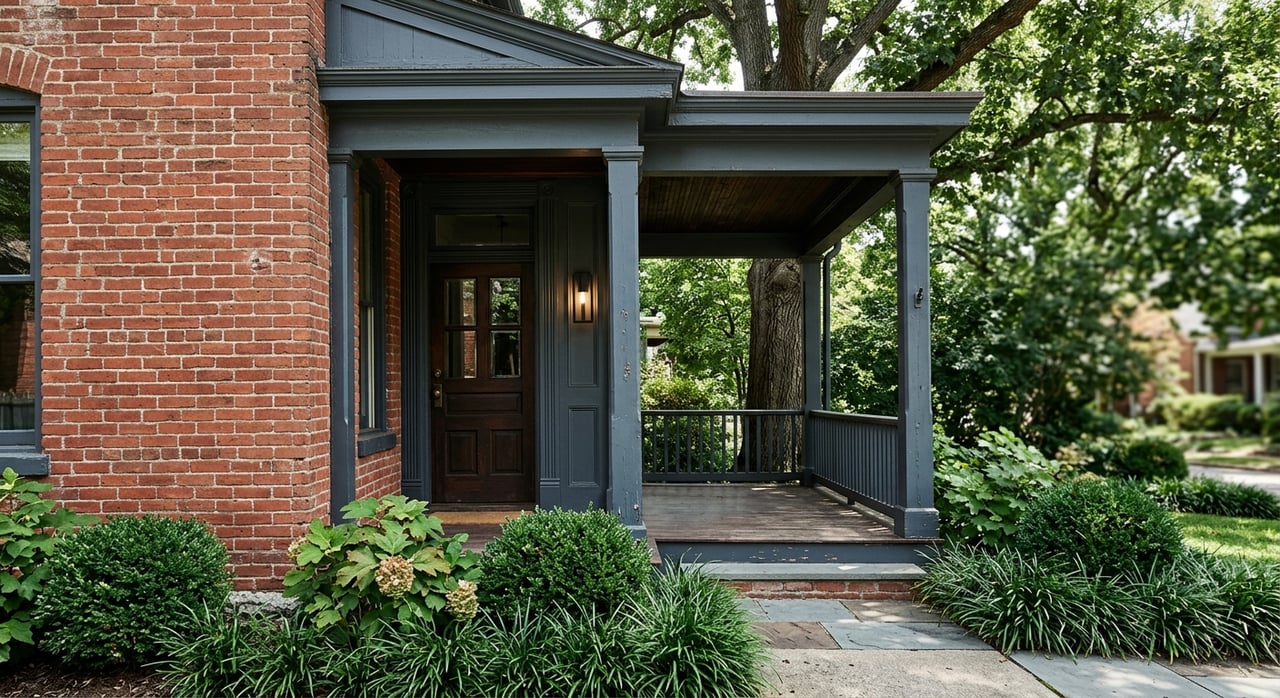
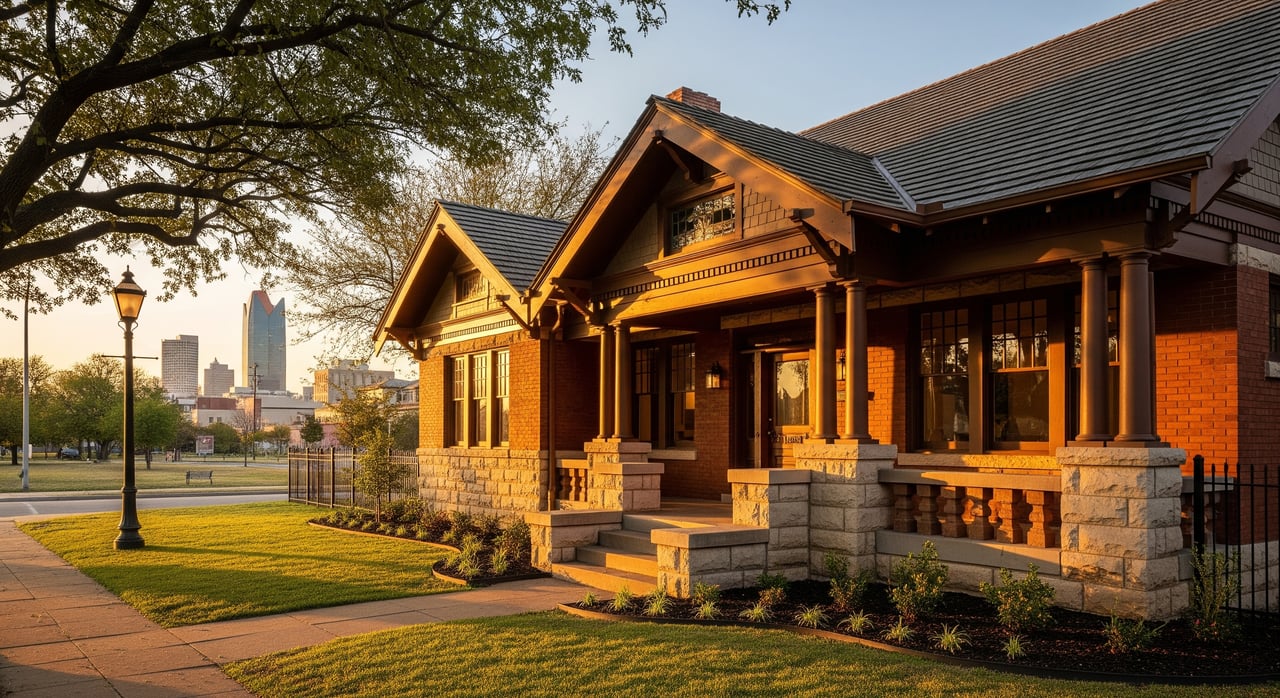
- Porches are often the star. Preserve columns, balustrades, stairs, and porch floors. Full enclosures or removals are commonly discouraged.
- Keep original roof pitch and eave details. If you need a new roof, choose materials that match the historic appearance.
Windows that work
- Original wood windows are character-defining. Many can be repaired for function and efficiency with sash repair, weatherstripping, and storm windows.
- If replacement is unavoidable, plan like-for-like in material, profile, and muntin pattern. Document conditions before any work.
Siding, masonry, and mortar
- Favor repair of original wood siding and trim. Avoid non-breathable claddings that trap moisture and hide details.
- Repoint masonry with mortar that matches original composition, color, joint profile, and hardness. Using overly hard modern mortar on historic brick can cause damage.
Additions and site features
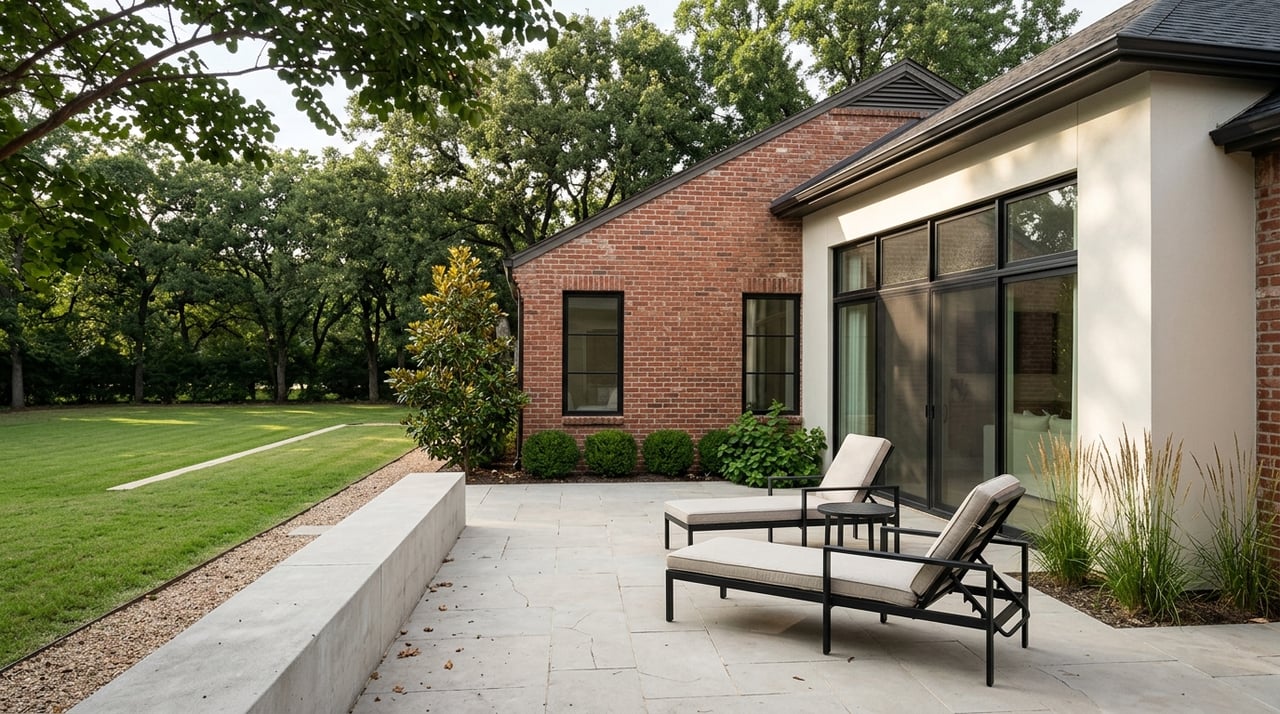
- Design additions to be compatible in scale and materials, and locate them on side or rear elevations whenever possible.
- Fences, garages, and driveways may be regulated. Keep placements and forms consistent with historic patterns.
- Consider tree protection. Mature trees can be assets, but their roots can affect foundations.
Work that may trigger review
- Demolition of character-defining elements
- New construction or visible additions
- Changes to primary façades, windows, doors, and porches
- New curb cuts, driveway reconfigurations, and street-facing garage changes
- Changes in exterior materials visible from the public way
Permits, contractors, and timing
A little structure goes a long way. Choose the right team, set clear expectations, and budget time for approvals.
Picking the right team
Confirm required licenses with state and city agencies.
Verify insurance for general liability and workers’ compensation.
Ask for a portfolio of comparable historic projects and at least three recent references. Visit completed jobs if you can.
Use detailed written contracts: scope, materials, preservation treatments, payment schedule, start and completion dates, warranties, change orders, and lien waivers.
Decide who prepares and submits COA applications and building permits, and who coordinates municipal inspections.
COA and building permits
- Prepare drawings, photos, and material samples for the COA package if your work is subject to historic review.
- Building permits for structural, mechanical, electrical, and plumbing may run concurrently with historic review, or they may require an approved COA first. Confirm the sequence with the City of Oklahoma City.
- Schedule inspections and permit closeout at project milestones.
How long projects take
Timeframes vary by scope and contractor availability. Add buffer for design review and possible resubmittals.
- Small exterior repair like minor siding and paint: 2 to 6 weeks plus any review time.
- Window repair and restoration: several days per window; full-house work often 4 to 12 weeks.
- Kitchen or bath remodel: 4 to 12 weeks depending on scope.
- Major exterior alteration or addition: 3 to 9 months or more. Design and review can take 1 to 3 months, with construction 2 to 6 months.
- Full gut renovation: 6 to 12 months or more.
Budgeting and common pitfalls
- Carry a 10 to 25 percent contingency. Older homes can hide rot, termites, outdated wiring, or plumbing that needs code upgrades.
- Repair original elements when feasible. Replacements can be pricier and harder to approve.
- Use compatible materials. Incompatible mortar or non-breathable siding can cause long-term damage.
- Do not start work before you have required approvals. Unpermitted work risks delays and fines.
Financing, incentives, and insurance
Align your financing with your scope so funds and approvals sync with your timeline.
Loan options to explore
- Standard purchase mortgage plus cash for renovations.
- FHA 203(k) loan that combines purchase and renovation in one mortgage, subject to program limits and rules.
- Fannie Mae HomeStyle Renovation loan for owner-occupied properties.
- HELOC or cash-out refinance if you already own a home.
- Private renovation loans or contractor financing where available.
Lenders usually want detailed scopes, cost estimates, permits, and qualified contractors before releasing renovation funds.
Incentives and grants
- Federal Rehabilitation Tax Credit of 20 percent typically applies to certified historic structures used for income-producing purposes and requires approvals through the state historic preservation office and the National Park Service.
- State and local programs change over time. Check with the Oklahoma State Historic Preservation Office and the City of Oklahoma City for current credits or matching grants that may support façade or exterior work.
- Neighborhood organizations sometimes offer small grants. Ask the Mesta Park Neighborhood Association about any current programs.
Insurance and risk management
- Older systems can affect premiums. Insurers may require electrical or heating upgrades for full coverage.
- Consider builder’s risk insurance for major renovation phases.
- Require certificates of insurance from contractors before work begins.
Simple process flow
- Confirm local designation, zoning, and any covenants.
- Write an offer with inspection and COA/permit contingencies.
- Complete inspections and any historic fabric assessment.
- Engage an architect or preservation consultant for larger scopes and select a contractor with historic experience.
- Prepare COA and permit packages and submit to the city.
- Receive approvals, finalize contracts, and schedule work.
- Build with required inspections and maintain records.
- Close out permits, collect lien releases, and document warranties.
Quick reference checklists
Before you make an offer
- Confirm if the property is within a local historic district and get the design guidelines.
- Verify zoning, setbacks, and accessory structure rules.
- Order title and survey to identify easements or restrictions.
- Request prior COAs, permits, and maintenance records from the seller.
- Include inspection and COA/permit contingencies in the contract.
- Plan your inspection roster and budget a 10 to 25 percent contingency.
Renovation timeline snapshot
- Small exterior repair: 2 to 6 weeks, plus review time; carry 10 to 15 percent contingency.
- Whole-house window repair: 4 to 12 weeks; carry 15 to 20 percent contingency.
- Kitchen or bathroom remodel: 4 to 12 weeks; carry 10 to 15 percent contingency.
- Major exterior change or addition: 3 to 9 months or more; carry 15 to 25 percent contingency.
- Full gut renovation: 6 to 12 months or more; carry 20 to 25 percent contingency.
Ready to buy in Mesta Park?
With the right plan, you can honor the neighborhood’s character and still create a home that fits your life. Start by confirming the local rules, gathering complete inspections, and building a realistic budget and timeline. When you want a team that knows the Oklahoma City market and offers consultative guidance from search to close, connect with Stetson Bentley. We are ready to help you navigate your next move with clarity and confidence.
FAQs
What is a COA for Mesta Park exterior work?
- A Certificate of Appropriateness is a city review that may be required for exterior changes visible from the street in locally designated historic districts.
Does National Register status restrict my Mesta Park renovations?
- National Register listing alone does not usually restrict private owners unless federal funds or permits are involved; local designation is what typically triggers city review.
Which inspections matter most for older Mesta Park homes?
- Plan for general, structural, roof, electrical, plumbing, HVAC, chimney, termite, lead-based paint, asbestos (if disturbing materials), and a sewer scope.
Can I replace original windows in a Mesta Park house?
- Repair is preferred when feasible. If replacement is needed, expect like-for-like in material, profile, and muntin pattern to align with preservation guidance.
How much extra time should I add for historic approvals in OKC?
- Add weeks to months for design review, potential hearings, and resubmittals. Confirm current timelines with the City of Oklahoma City.
Are there tax credits for owner-occupied Mesta Park homes?
- Federal credits generally apply to income-producing properties. Check state and local programs for current options and any owner-occupied incentives.